
Tear Trough Filler
What are tear trough fillers?
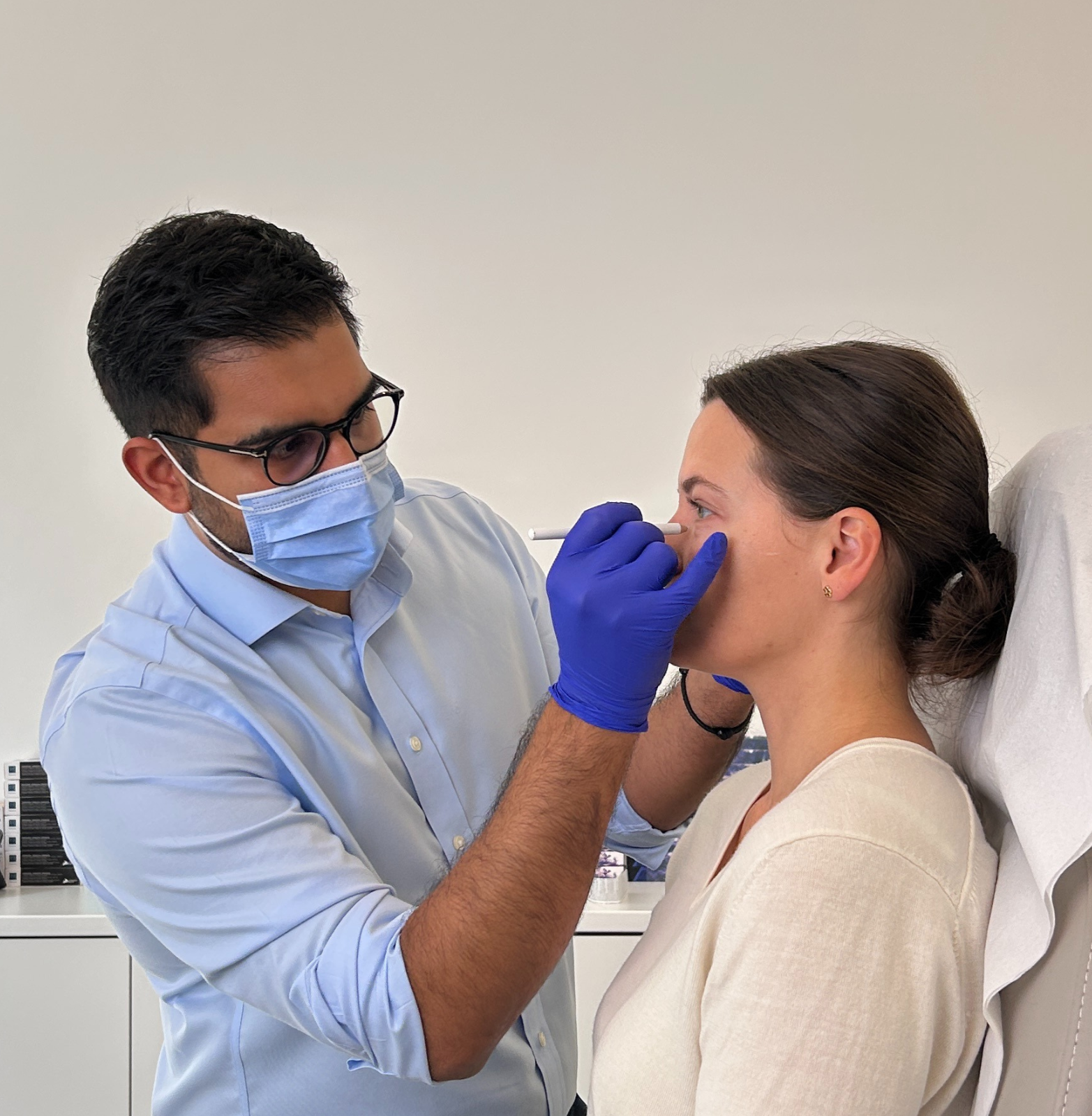
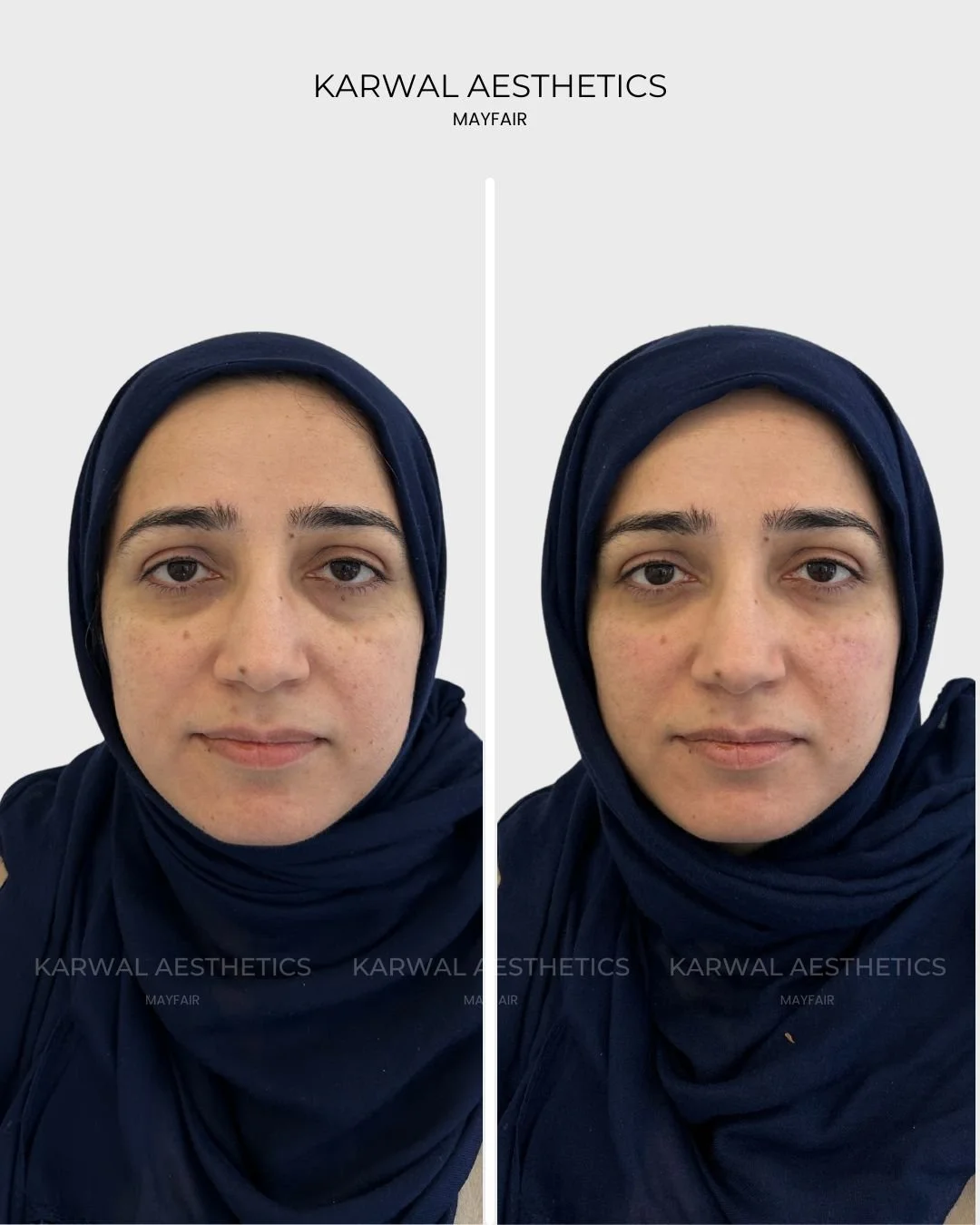
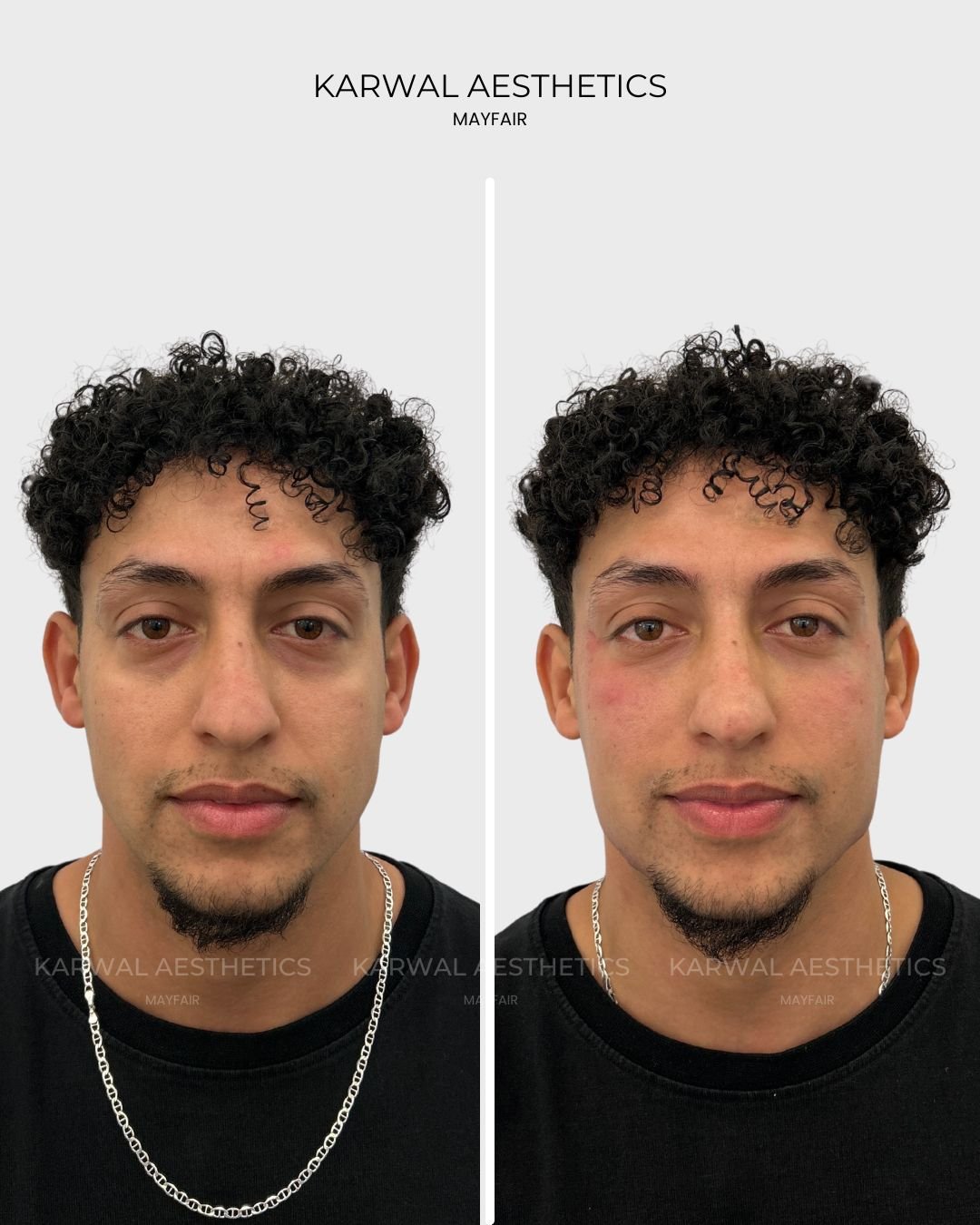
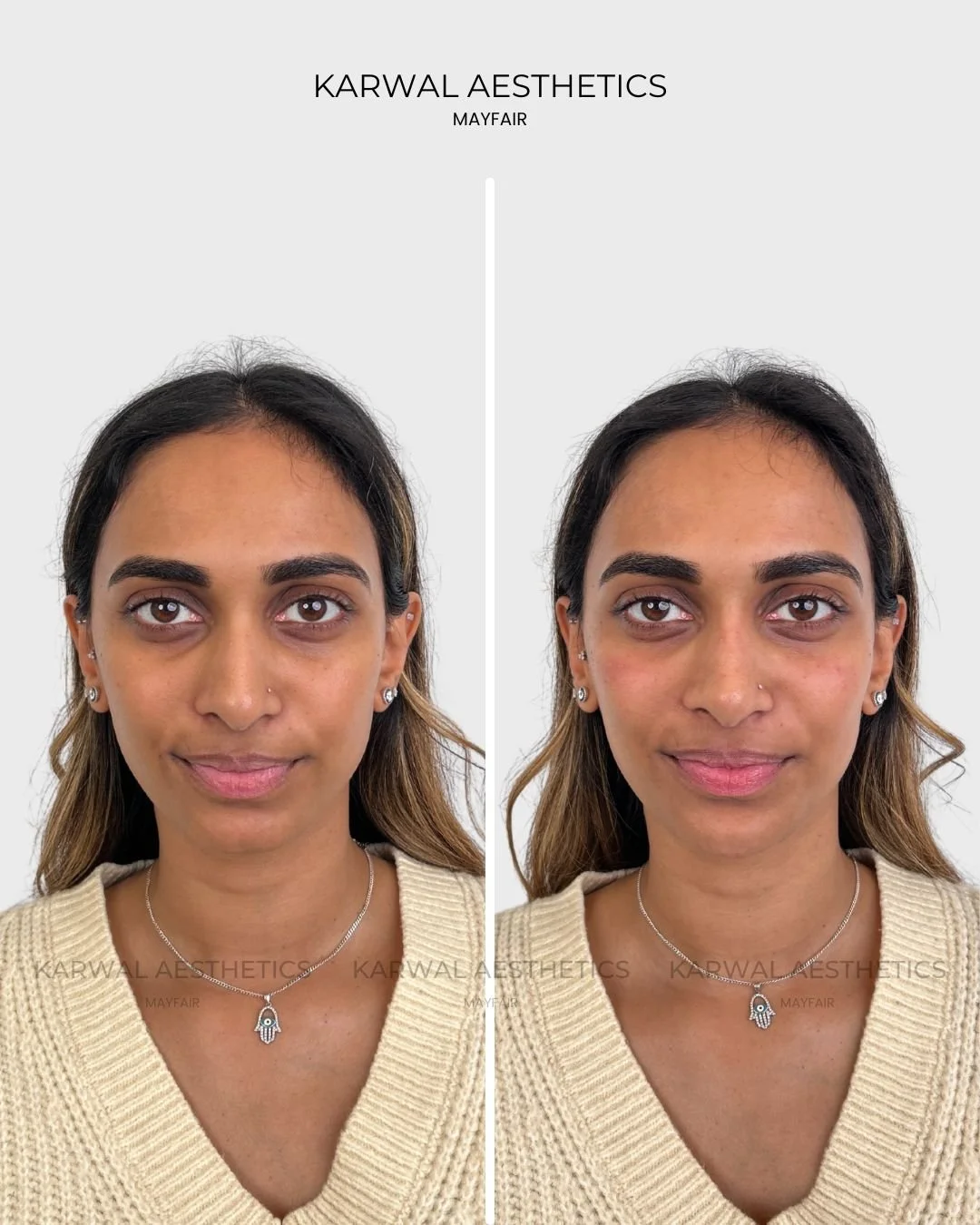
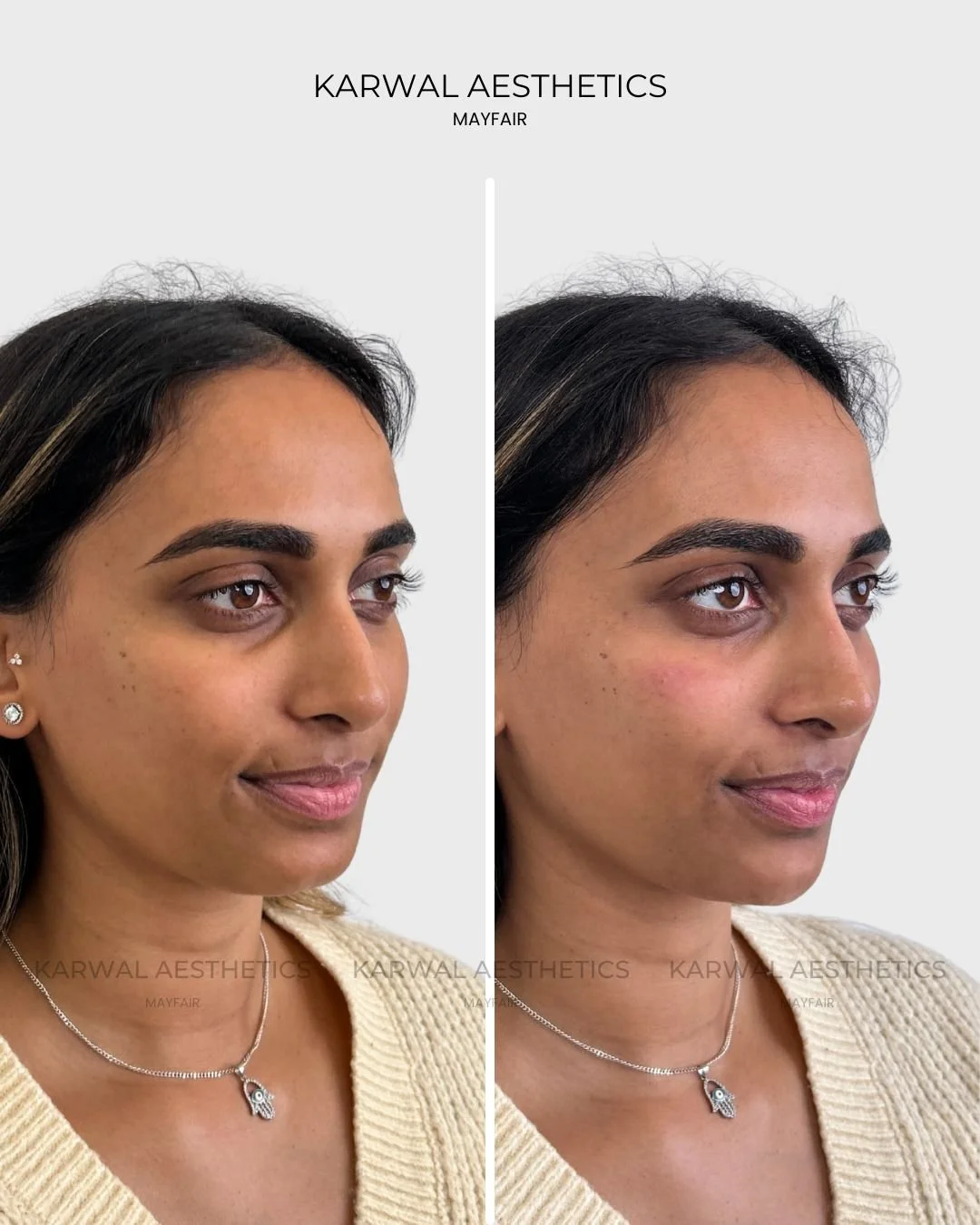
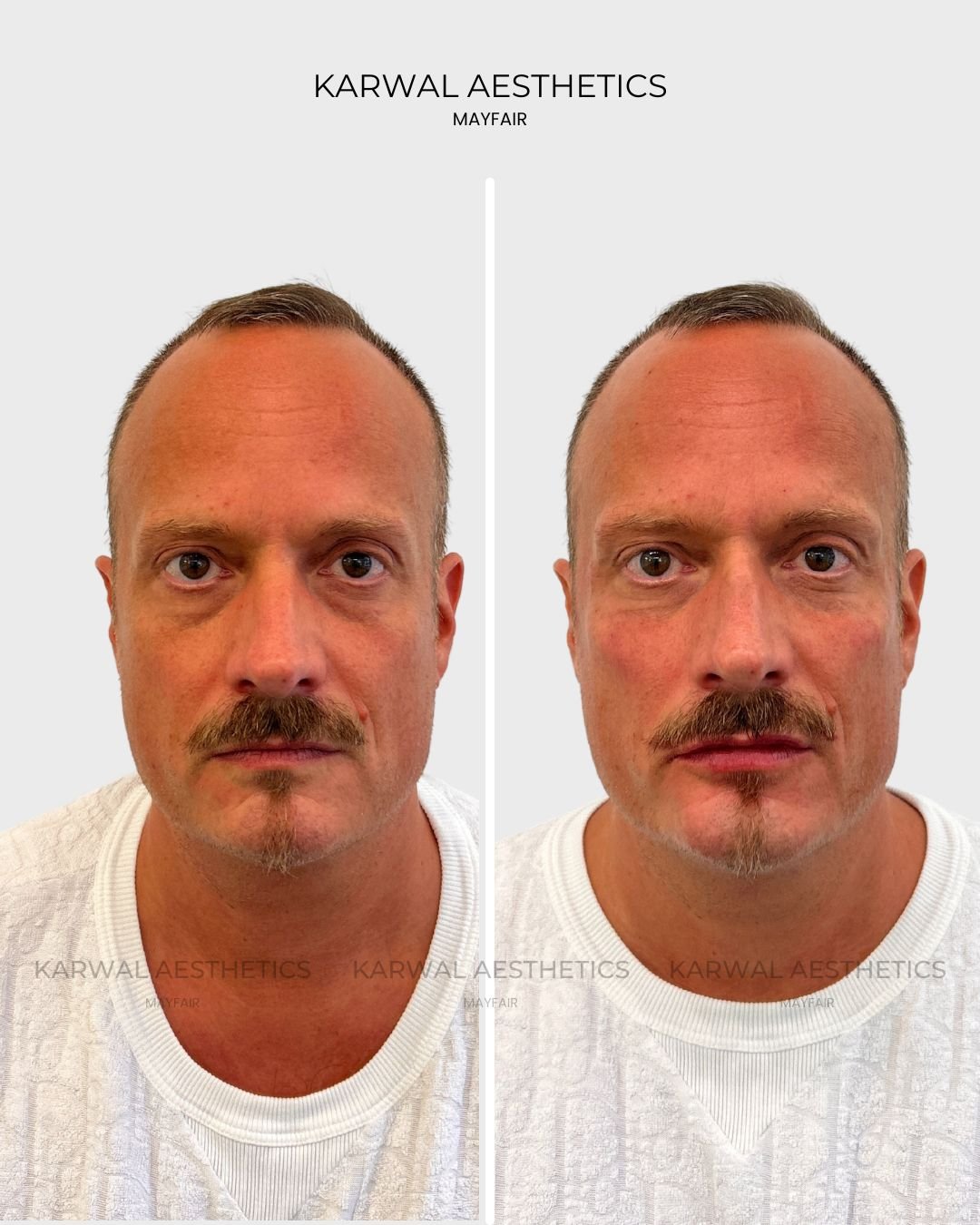
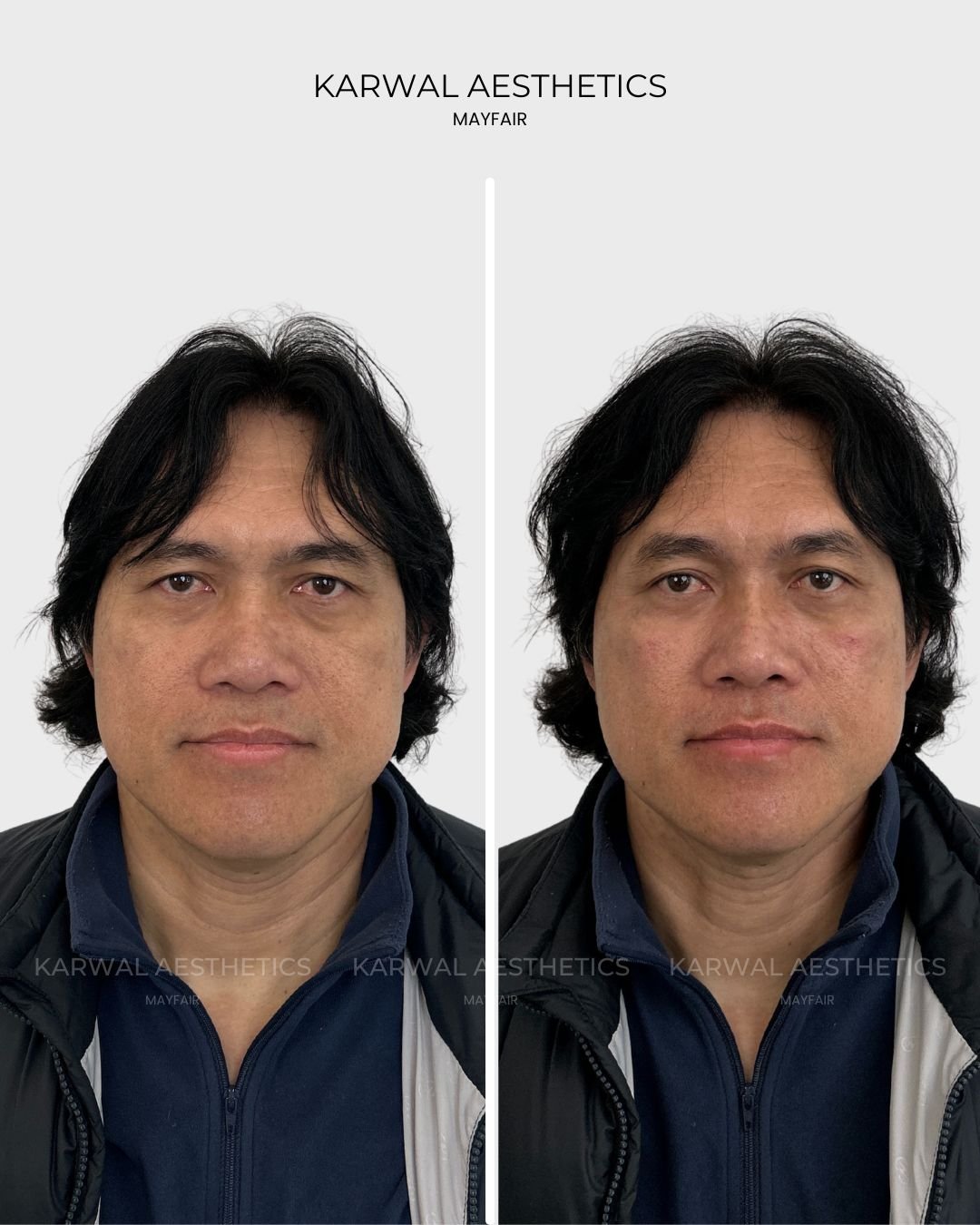
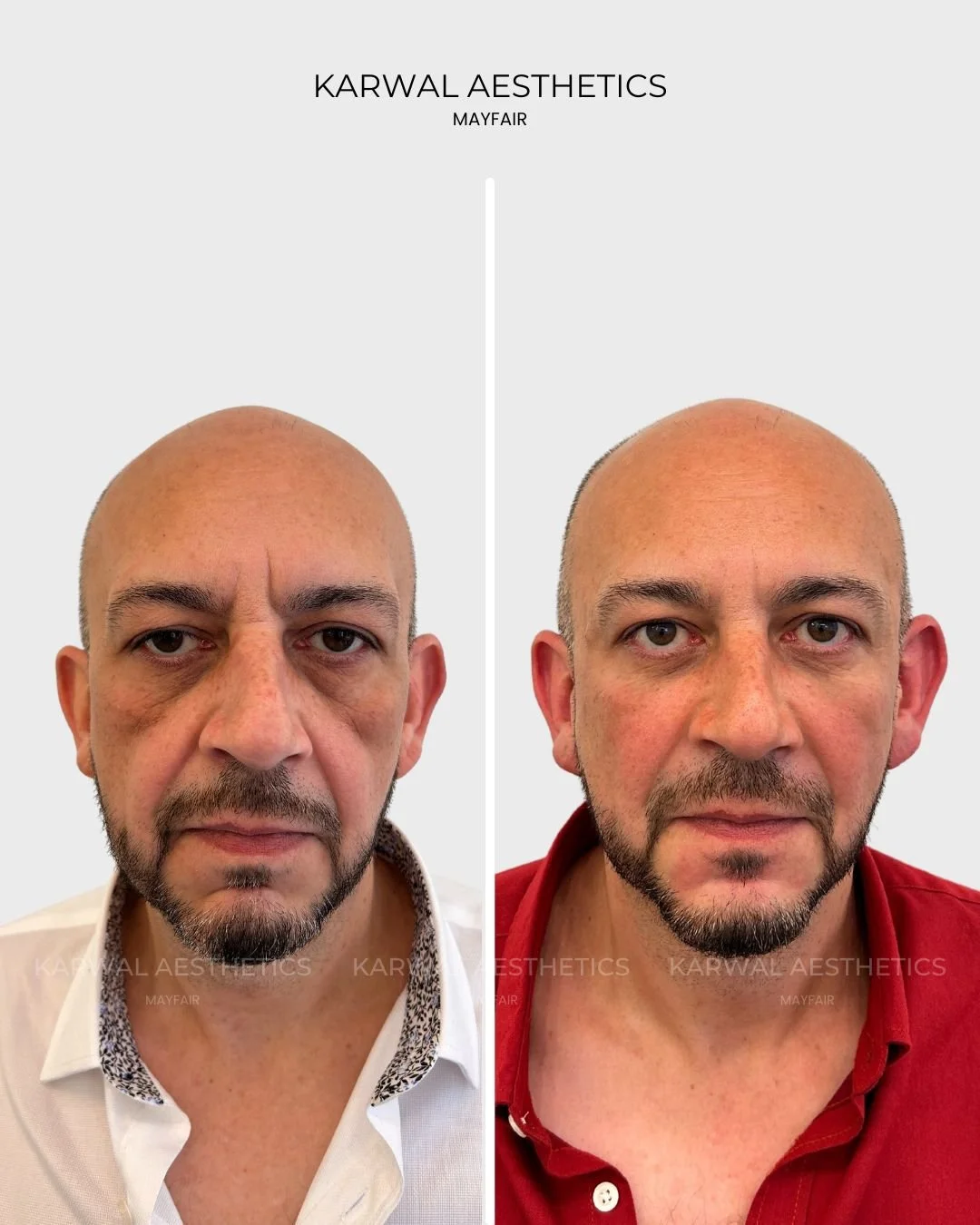
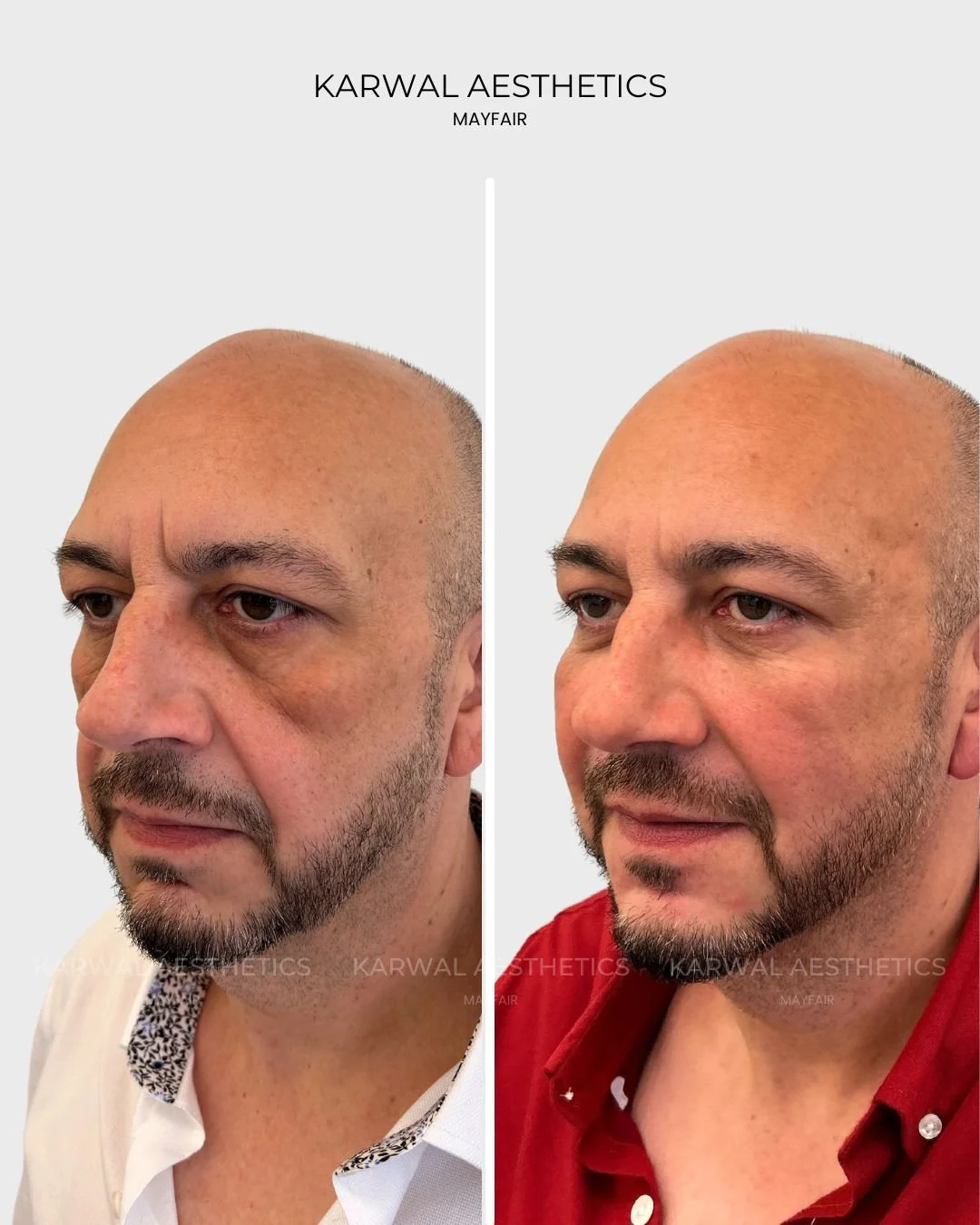
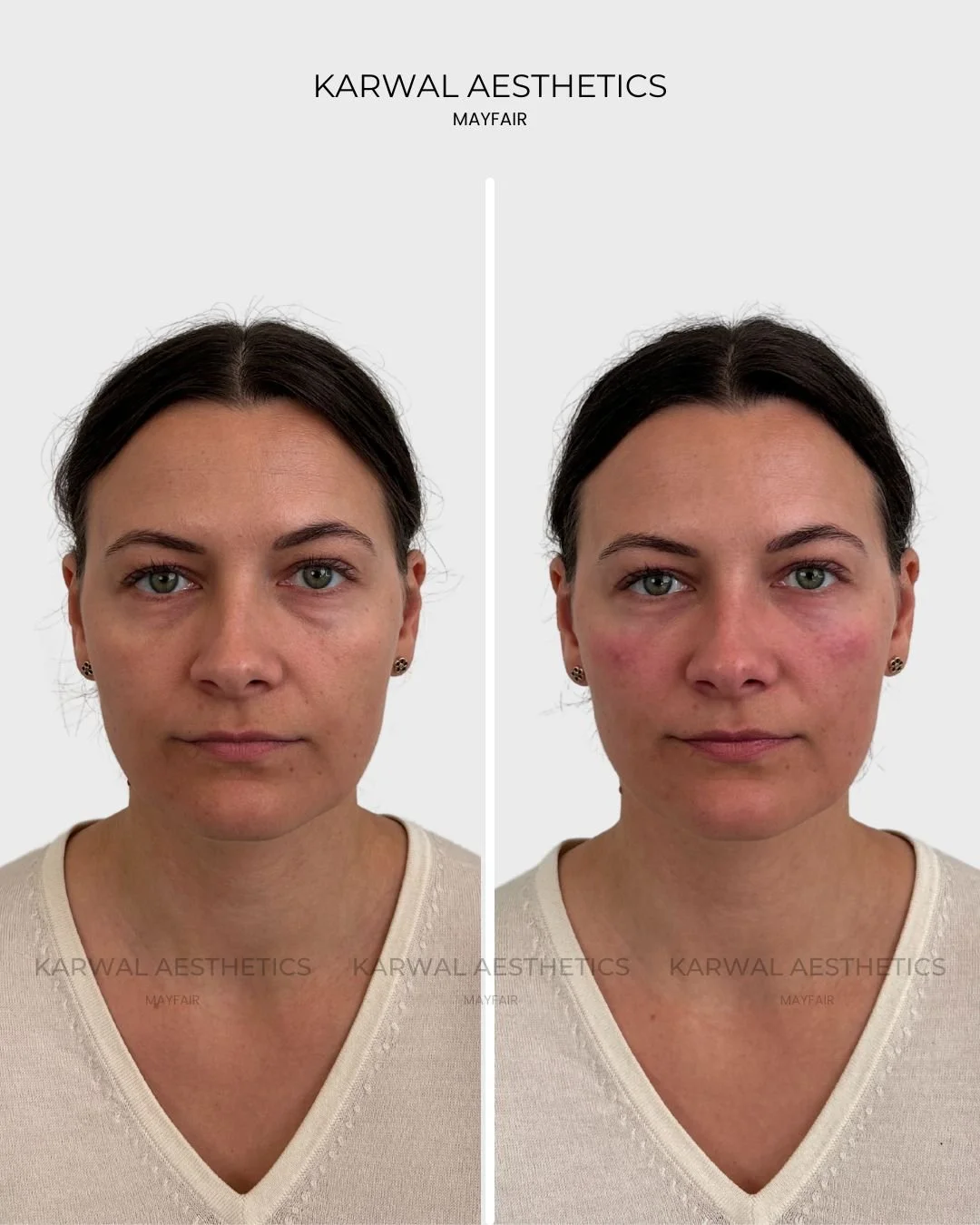
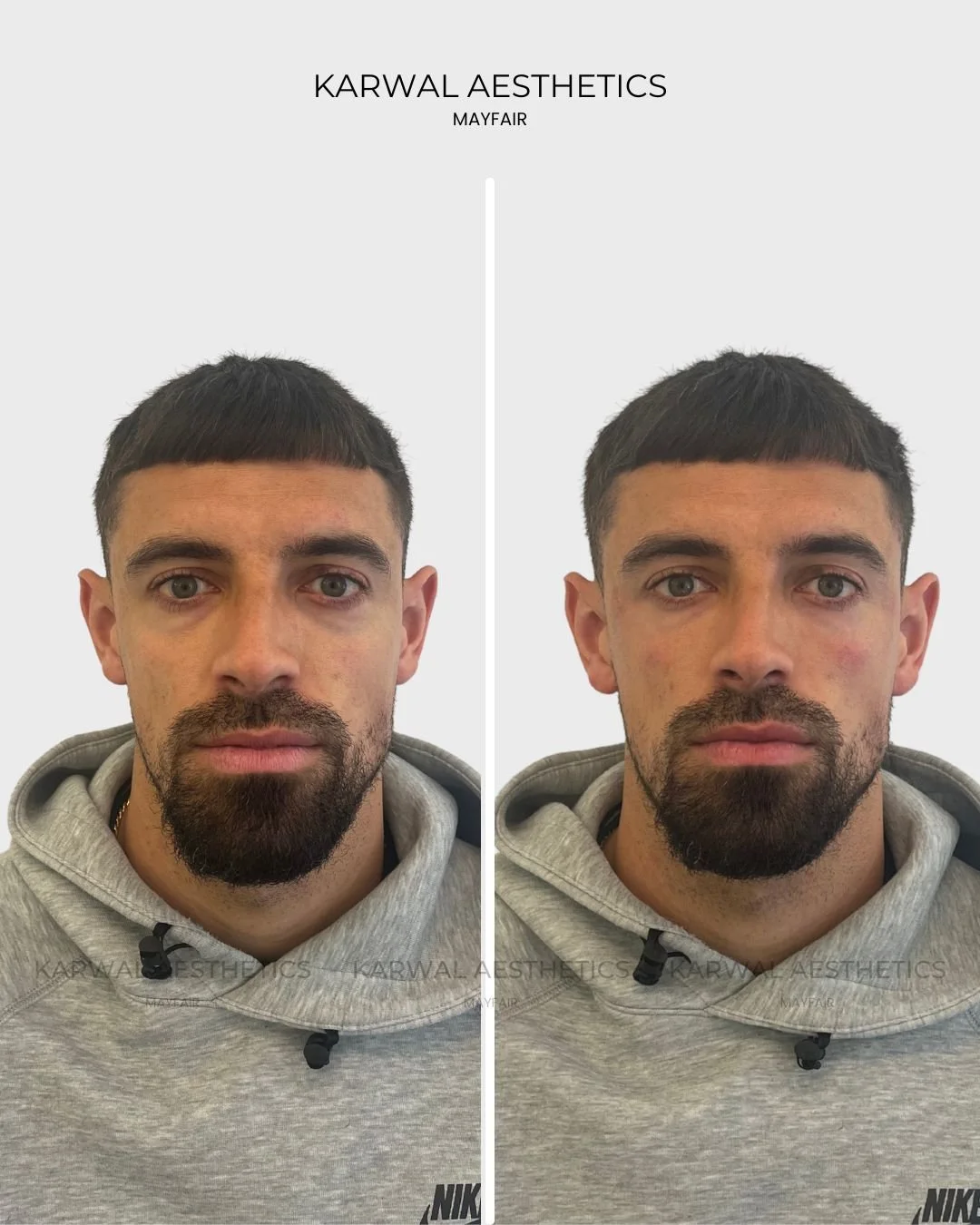
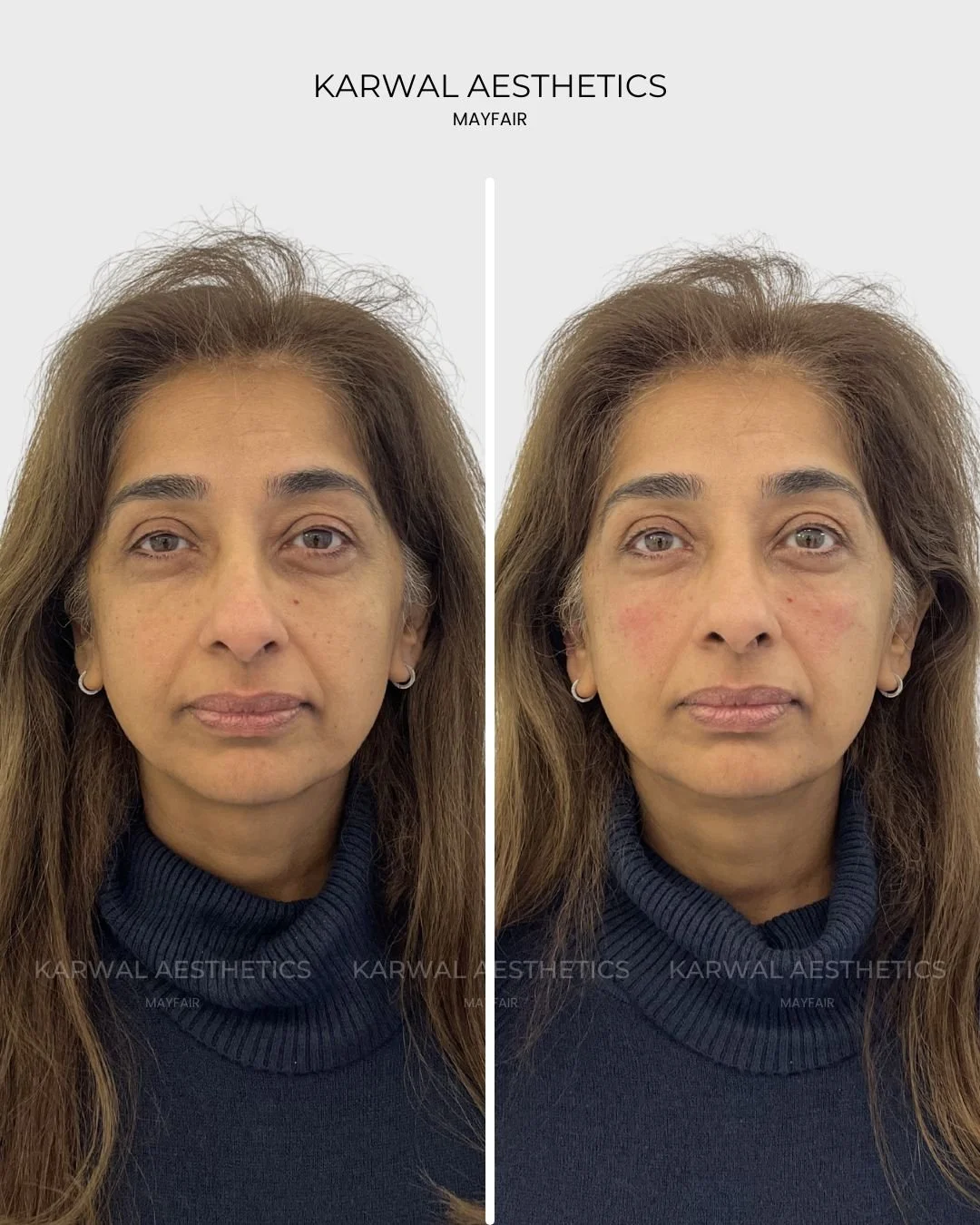
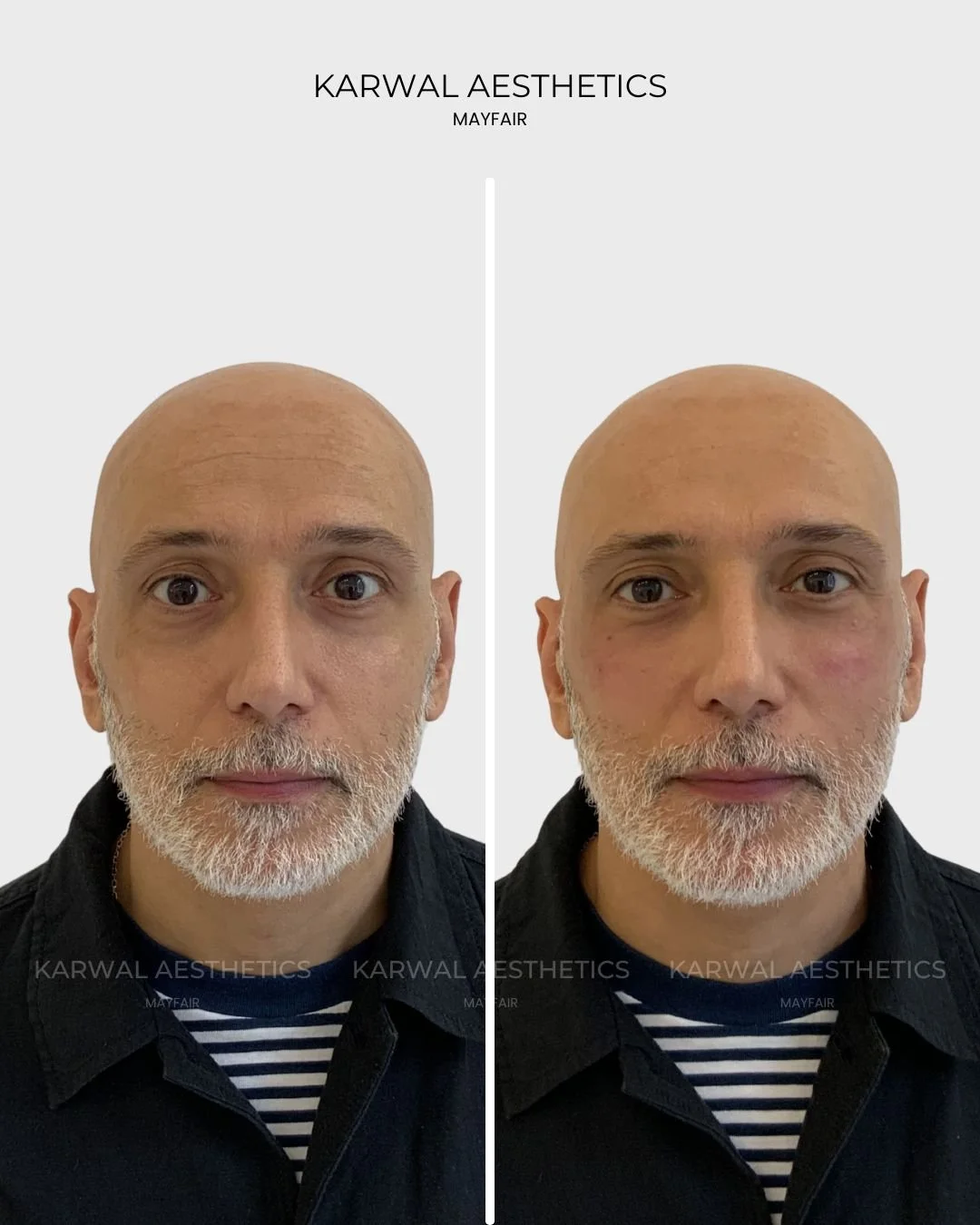
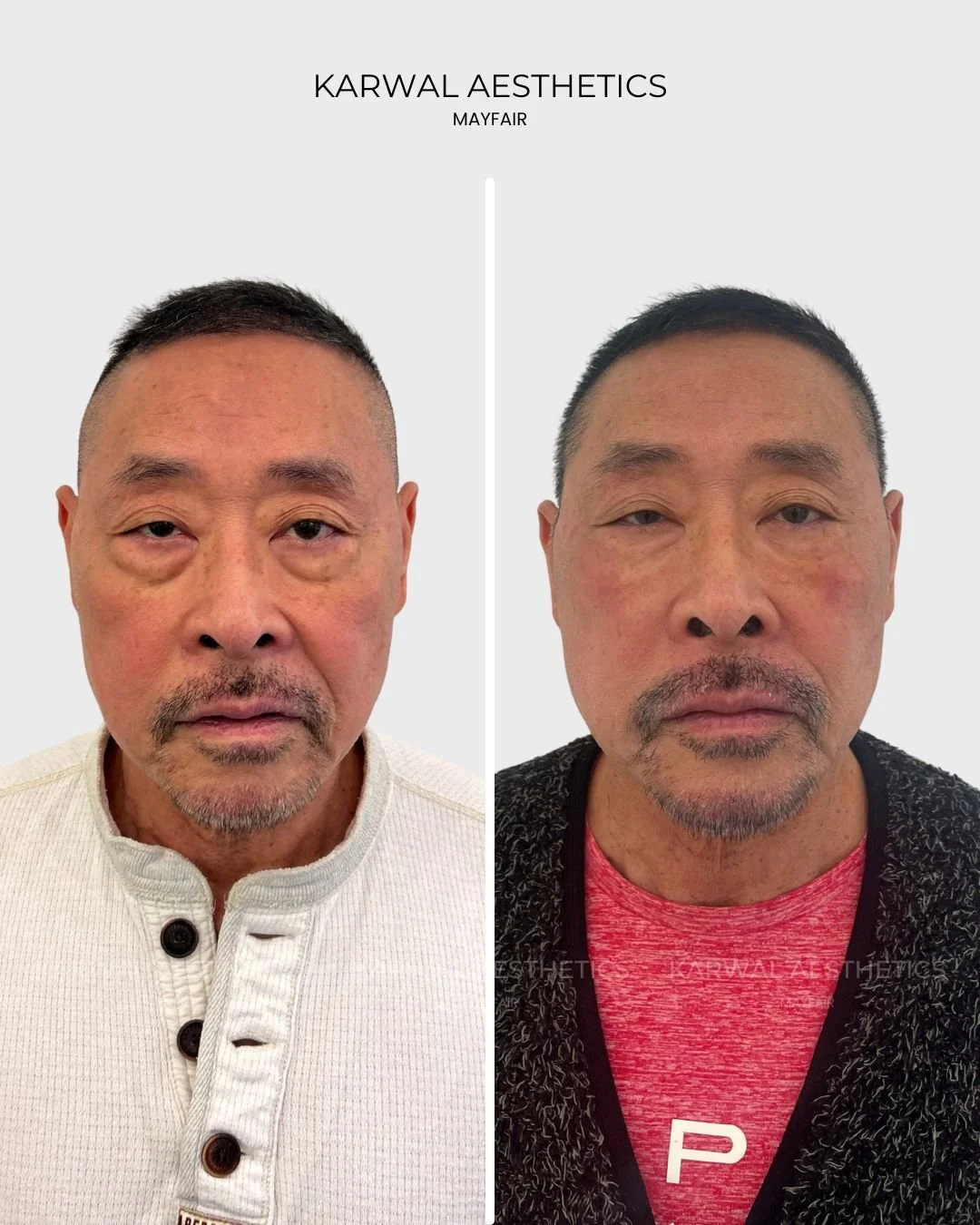
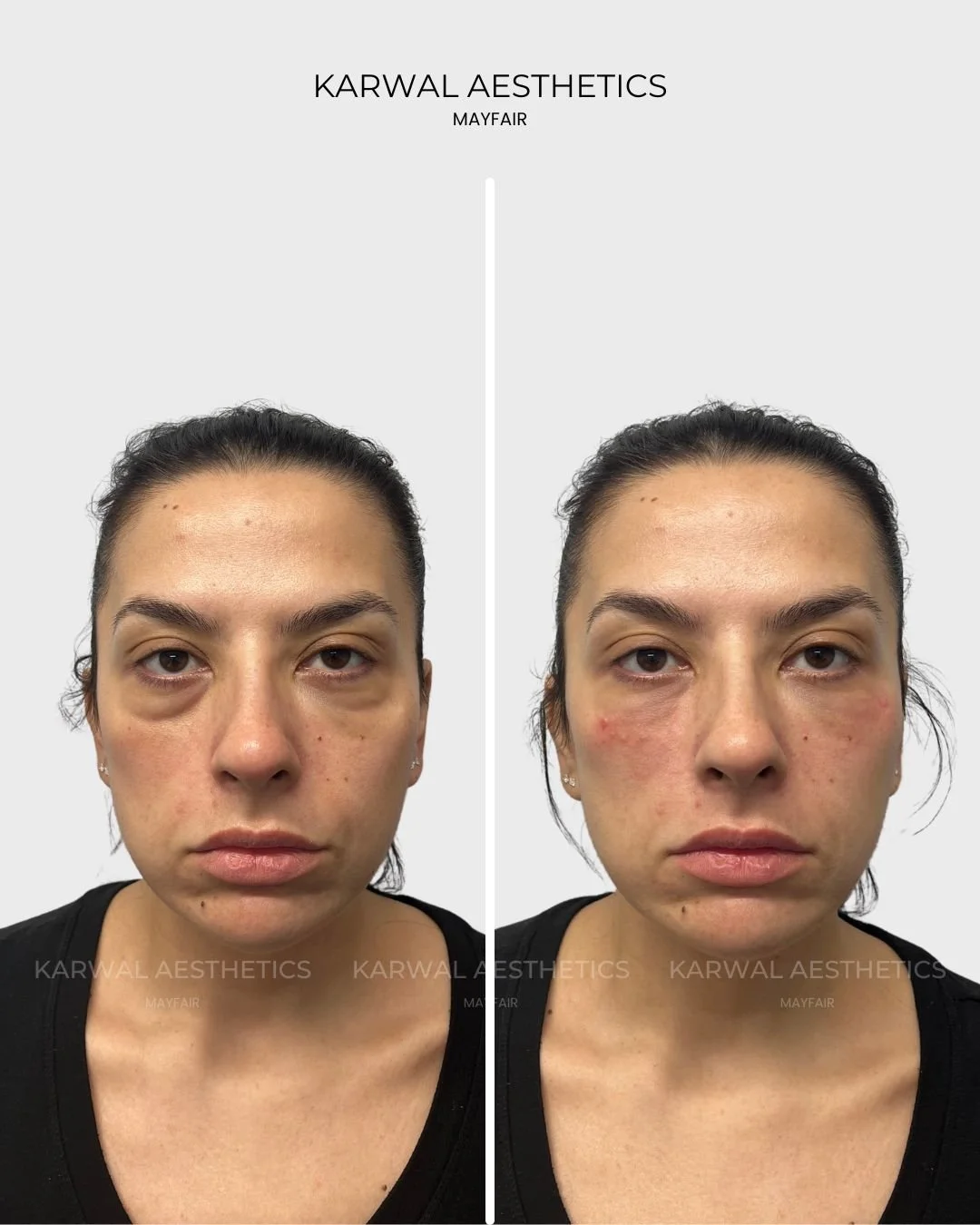
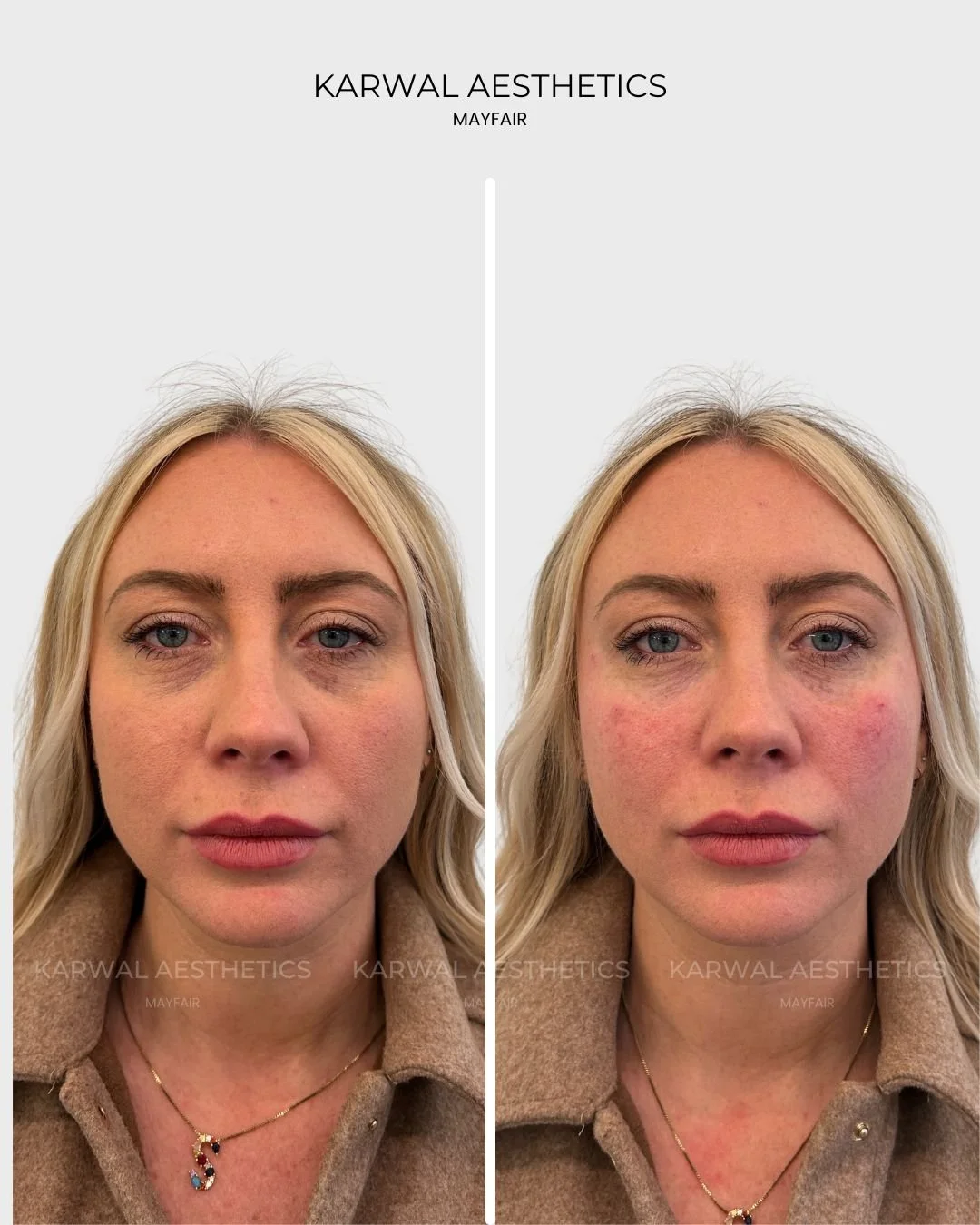
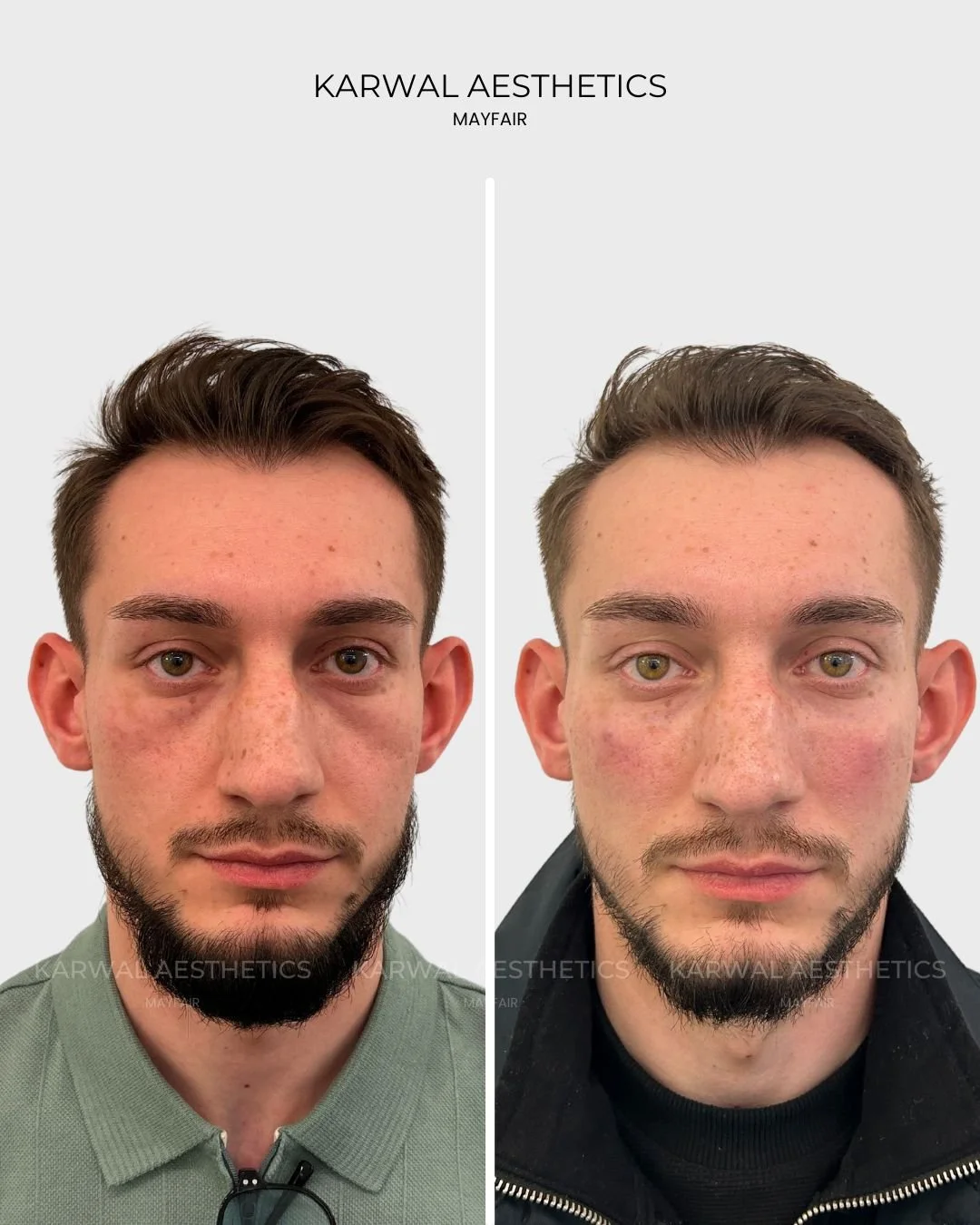
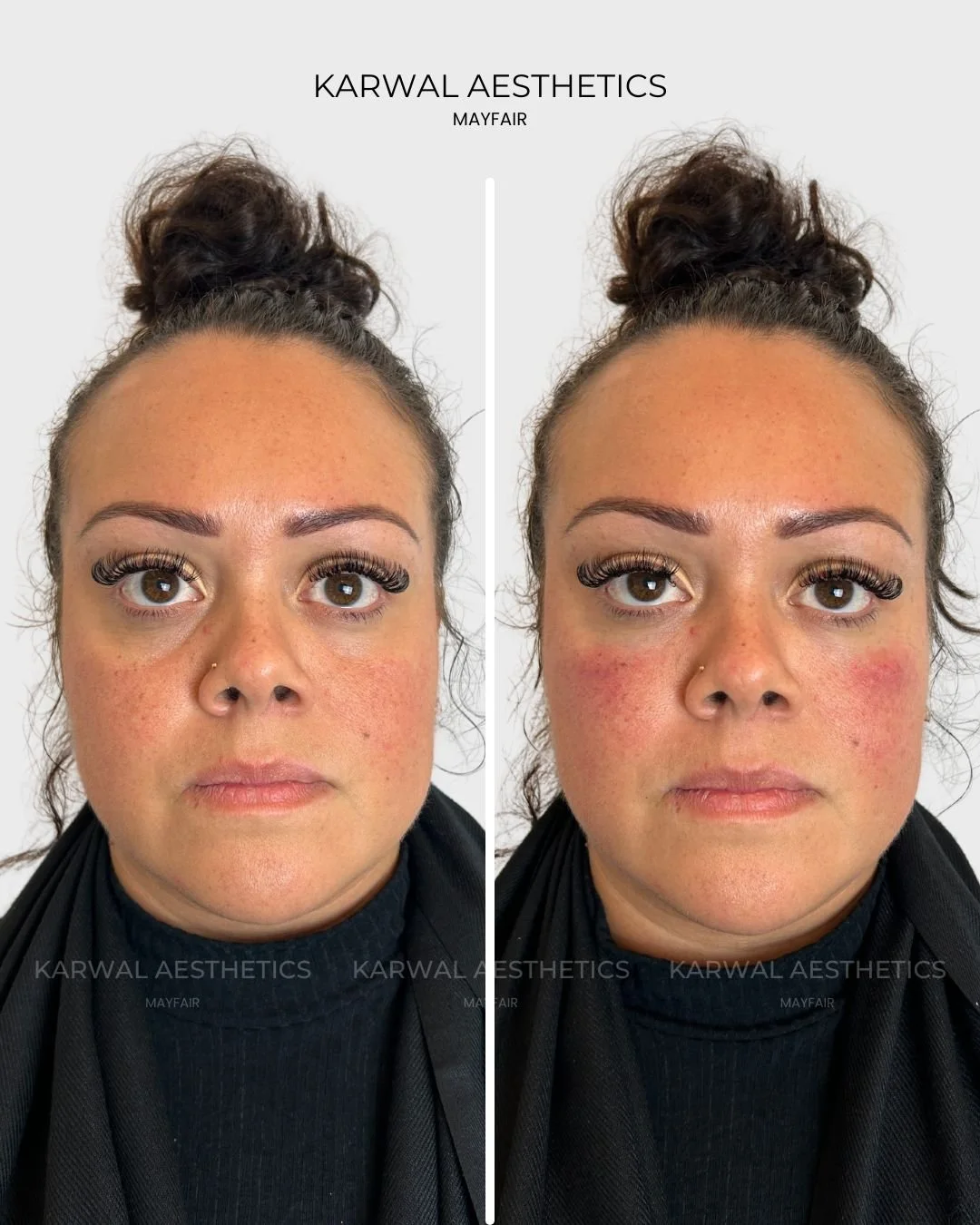
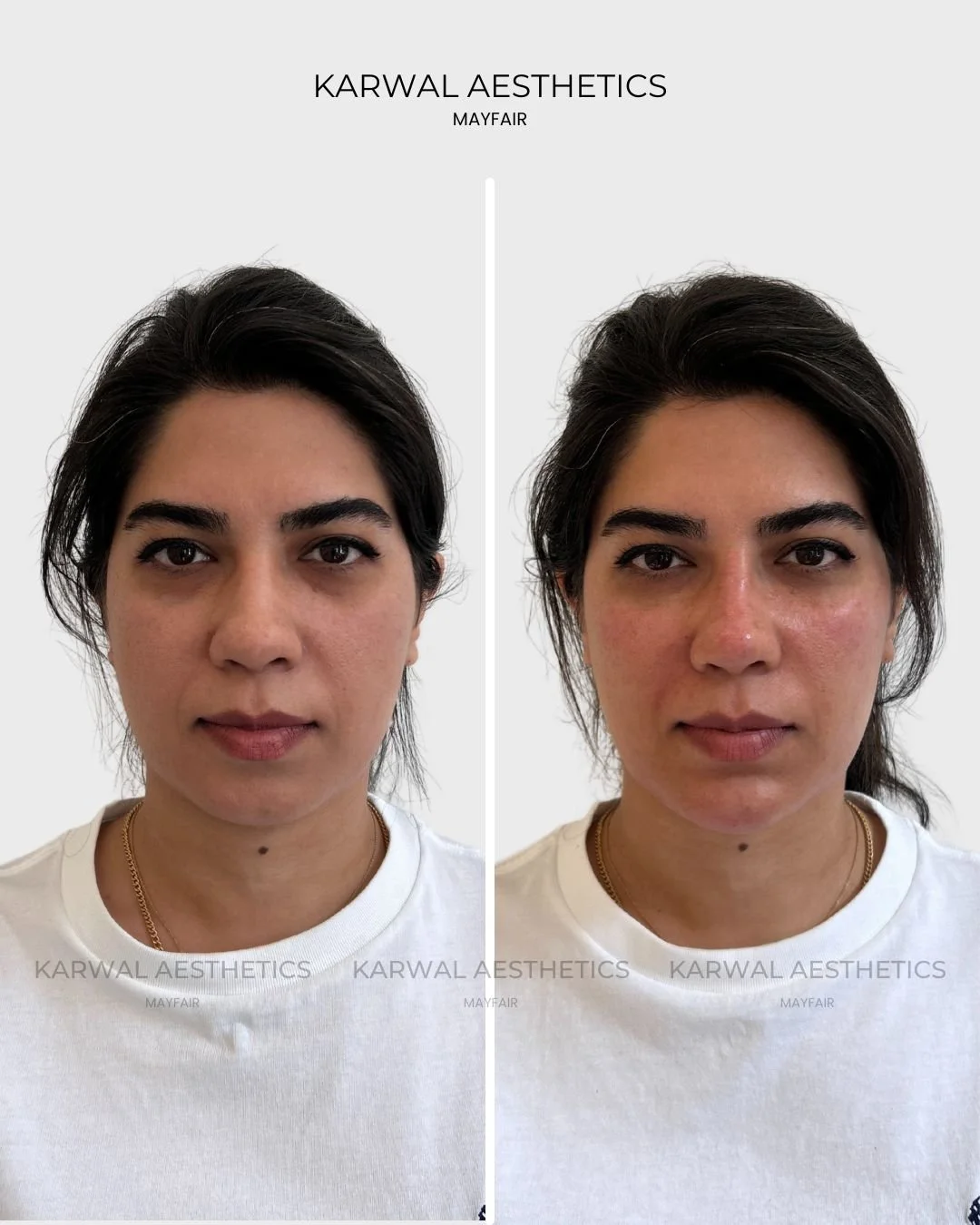
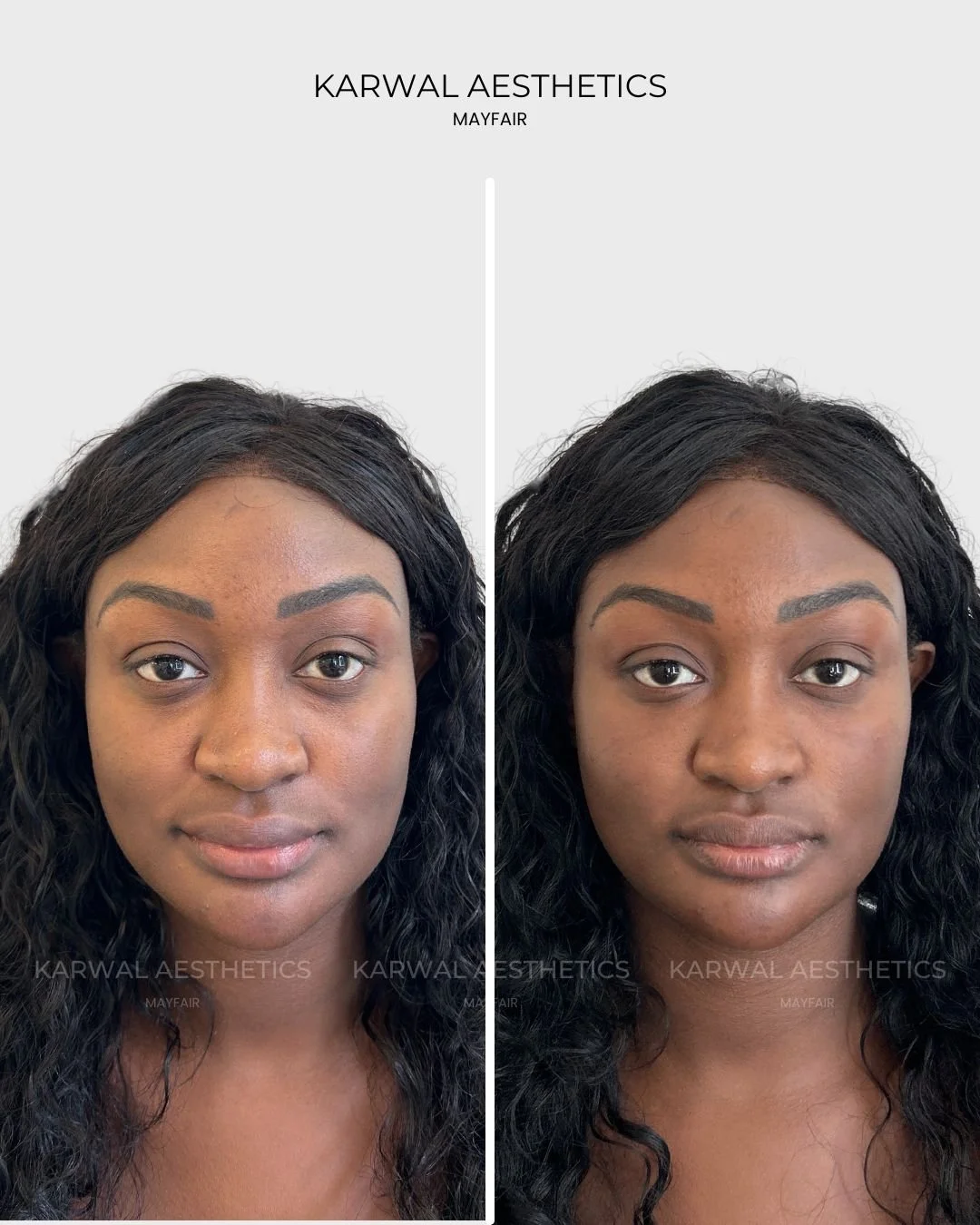
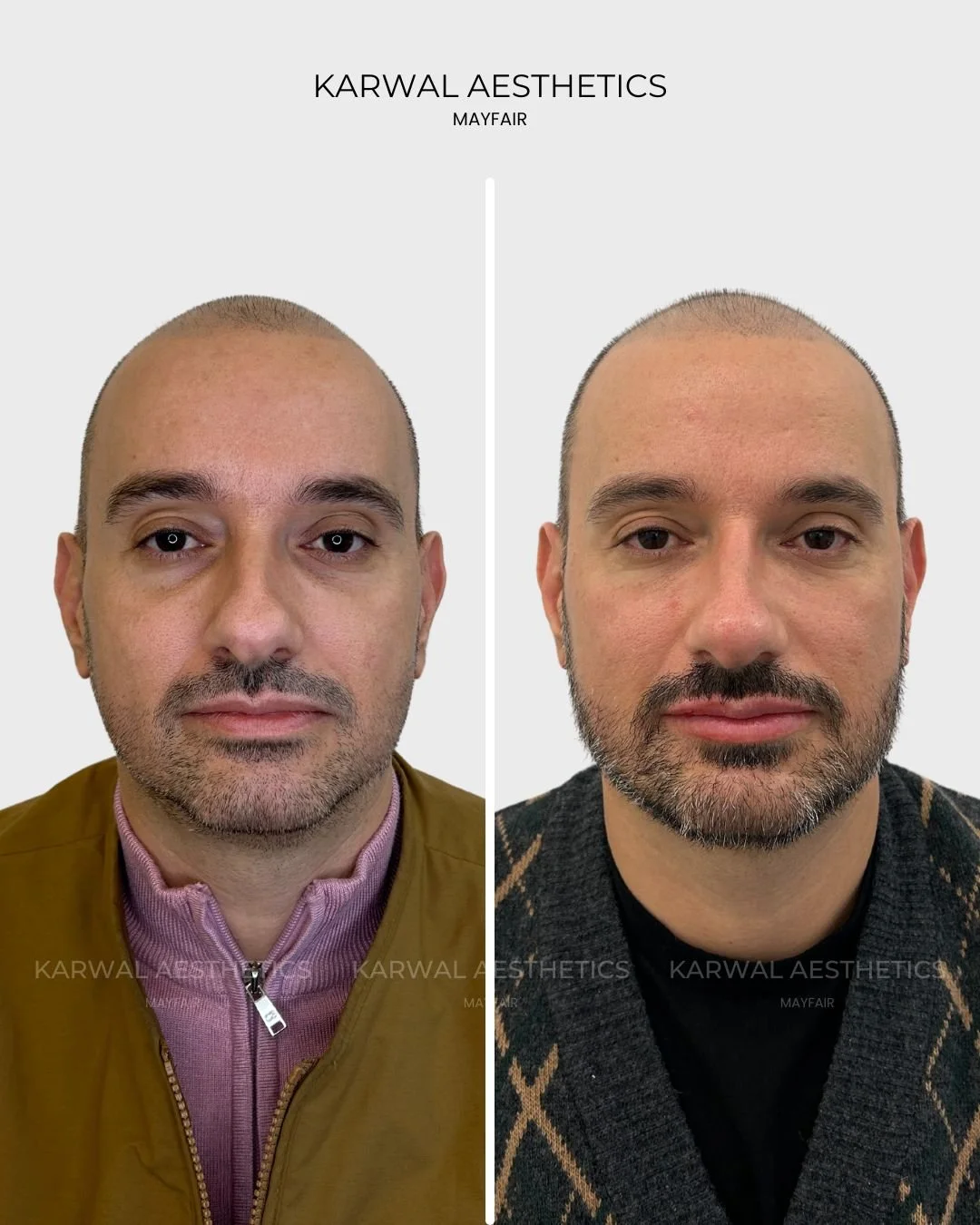
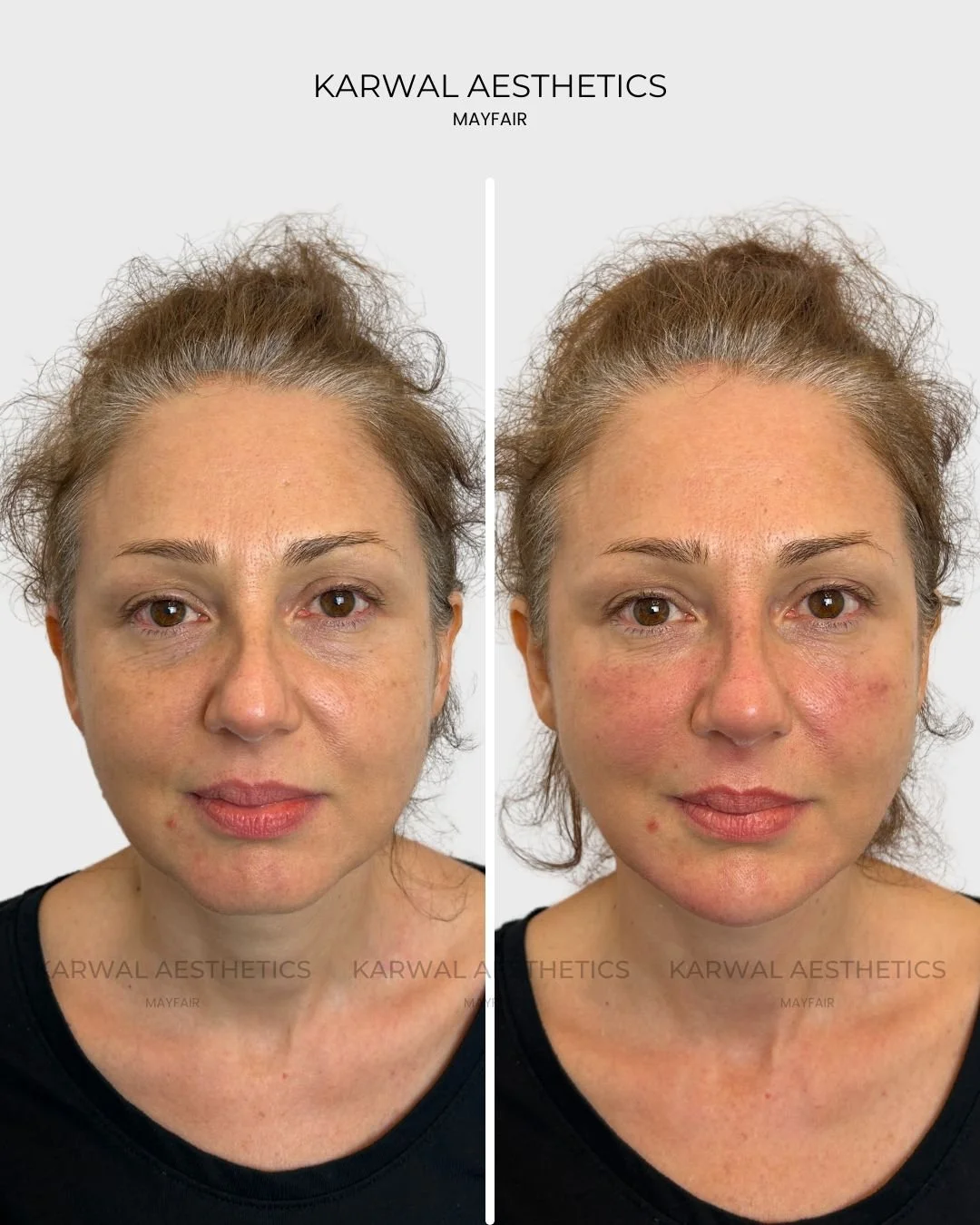
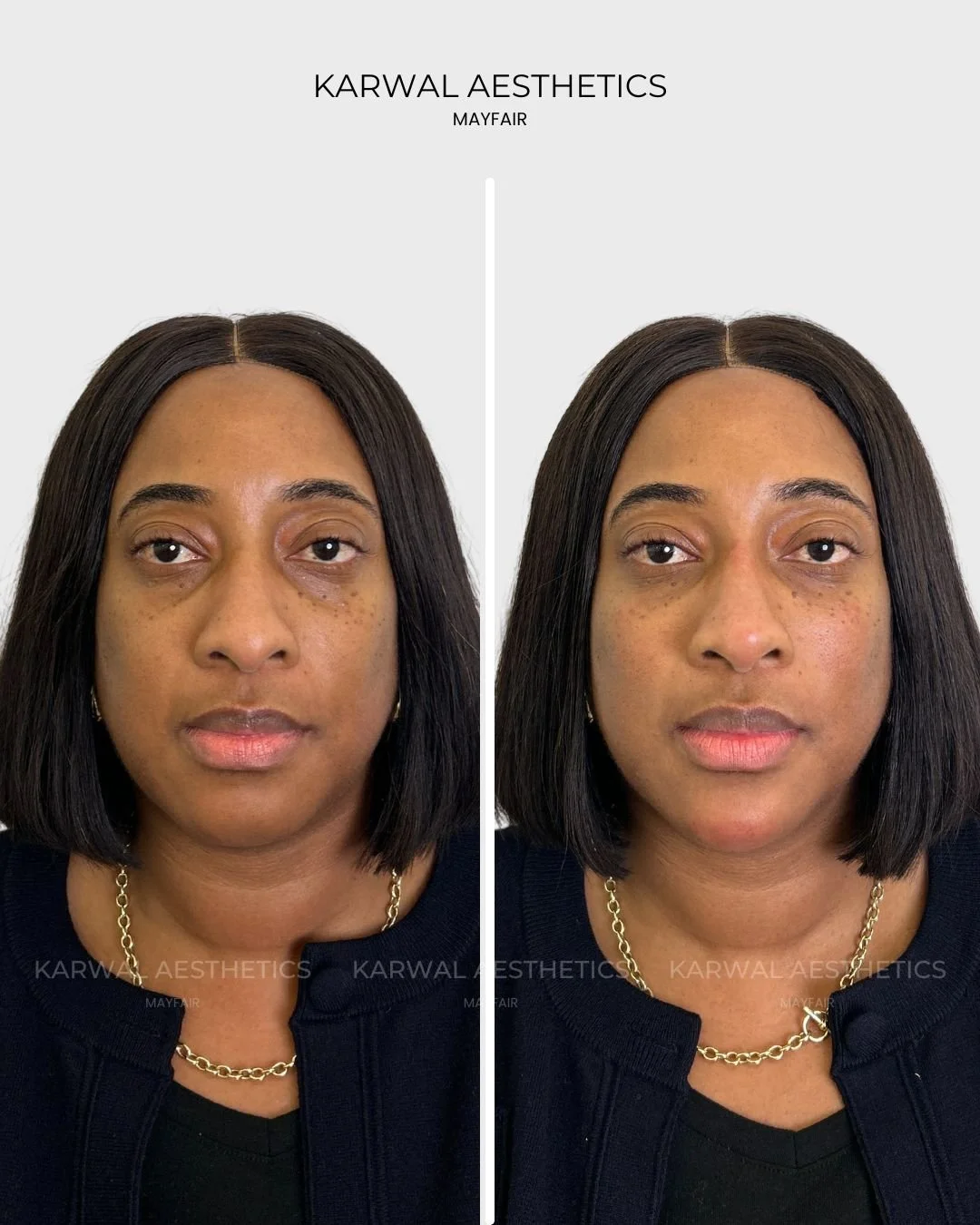
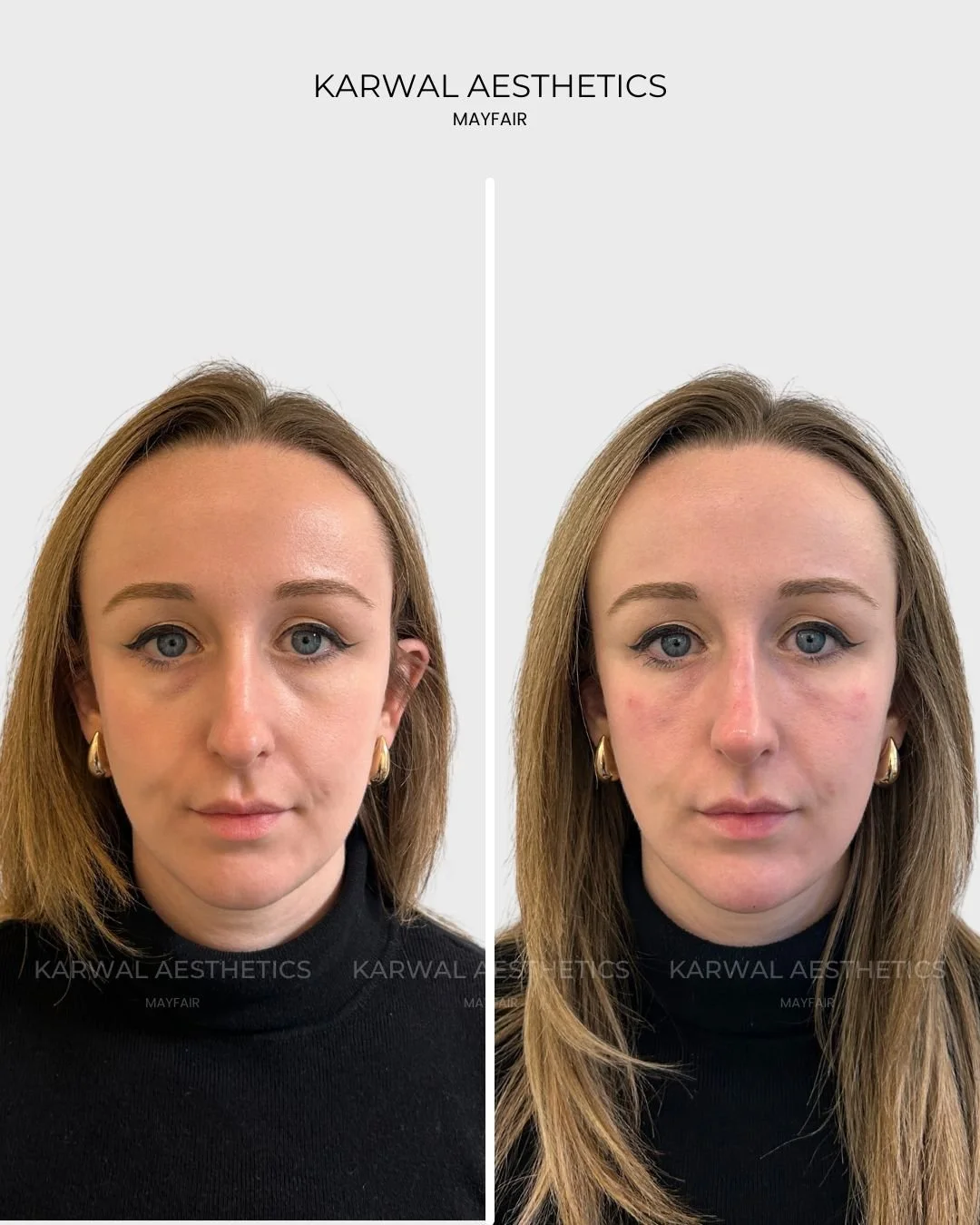
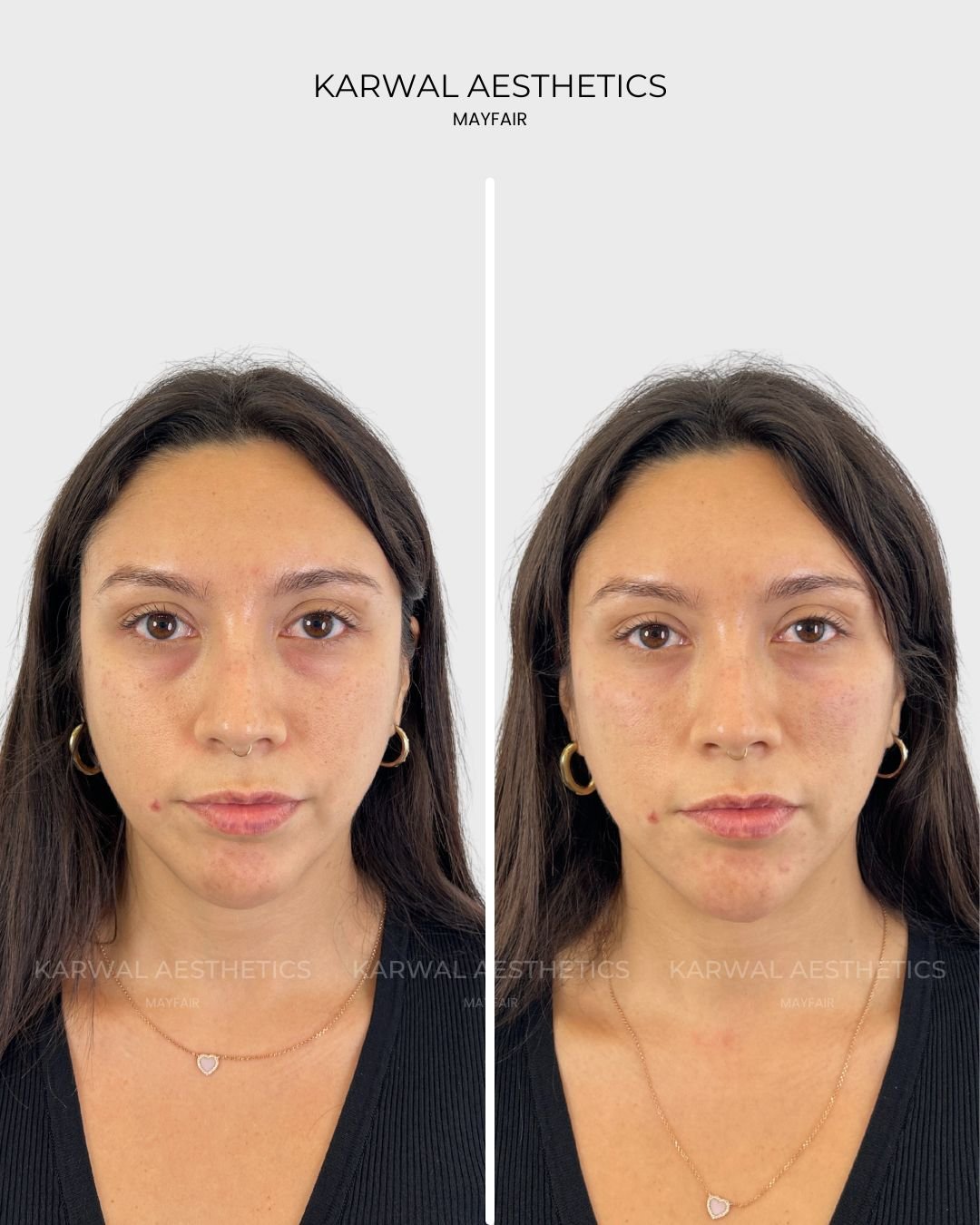
Tear trough fillers are a non-surgical treatment in which a hyaluronic acid dermal filler is placed along the tear trough, the groove that runs from the inner corner of the eye across the under-eye area. The filler replaces volume the area has lost, supporting the skin from beneath and smoothing the transition between the lower eyelid and the cheek. Treatment takes around twenty minutes, results are visible straight away, and because the product is hyaluronic acid it is fully reversible. When done well, the result is not a different face but a rested version of your own.
What can tear trough filler fix?
Filler works where the problem is structural. Its clearest use is the sunken groove itself, but it can also disguise mild to moderate under-eye bags by evening out the step between the bag and the cheek, and it can soften the fine lines that develop as this area deflates.
It is not a solution for every under-eye concern. Darkness caused by pigmentation or very thin skin will not respond to filler, and severe bags or excess skin may need a different approach entirely.
Our Prices
-
£650
-
From £1050
True and false tear troughs, and why some people need cheek filler too
Not every under-eye hollow is what it appears to be, and this distinction is the single most important part of the assessment.
A true tear trough is a genuine groove in the under-eye area itself. It is caused by volume loss along the rim of the eye socket combined with the tear trough ligament, a band of tissue that tethers the skin down and deepens the groove as the tissue around it deflates.
A false tear trough, sometimes called a pseudo tear trough, is a shadow that only looks like a groove. It is usually created by structures around the trough rather than the trough itself. The most common cause is deflation of the anterior cheek, the part of the cheek that sits directly beneath the eye. When this area loses volume with age, the under-eye loses its foundation and a shadow appears above it, even though the trough itself may be relatively normal. A bulging under-eye fat pad can create the same illusion by casting a shadow beneath it.
This is why some patients need tear trough filler with anterior cheek support. The tear trough does not exist in isolation; it sits on top of the cheek. If filler is placed into a trough that has no support beneath it, the product has nothing to rest on. It is more likely to sit poorly, look puffy or simply fail to correct the shadow. By restoring the anterior cheek first, we rebuild the platform, and in many cases this alone improves the under-eye area so much that far less filler is needed in the trough itself.
Whether your tear trough is true, false or a combination of both can only be established by examining your face, which Dr Karwal does at consultation before recommending any treatment. Sometimes neither applies, and the tired appearance is being driven by something else entirely, such as hyperpigmentation, malar bags or crepey skin.
Under Eye Concerns
-
Malar bags, also known as festoons or cheek bags, are swollen or puffy areas that develop on the upper cheek, just below the lower eyelid. They appear as distinct mounds or ridges over the cheekbone and can create a tired or aged appearance. They are often fluid-prone, becoming more noticeable in the morning, after salty food or alcohol, or during allergy season. Malar bags do not respond well to filler placed directly into them, and adding volume nearby without a plan can make them more prominent. Our preferred treatment is Endolift, which tightens the skin and underlying tissue of the area from within using a fine laser fibre under local anaesthetic. In selected cases, carefully placed filler around the bags can disguise them by blending the transition into the cheek, but this is a judgement call that depends entirely on your anatomy and how much fluid the area holds.
-
Under-eye hyperpigmentation refers to genuine darkening of the skin beneath the eyes, caused by excess melanin accumulating in this area. Unlike shadow-based dark circles, this darkness does not improve when you tilt your head back or when light hits the area directly, and it will not respond to filler. Treatment options include prescription skincare such as medically supervised hydroquinone and tretinoin, which we prescribe through our Obagi range, alongside vitamin C to brighten and protect. Sunekos can improve skin quality and tone from within, and for stubborn pigmentation, laser treatment can break down the pigment itself. Many patients see the best results from combining a prescription skincare routine with in-clinic treatment.
-
Under-eye crepiness is the thin, finely wrinkled texture that resembles crêpe paper, caused by the loss of collagen and elastin in what is already the thinnest skin on the body. Filler is rarely the answer here, because the problem is skin quality rather than volume. The most effective options are skin boosters such as Sunekos, which stimulate collagen and elastin production and can be used on both the lower and upper eyelids, and CO2 laser resurfacing, which triggers deeper collagen remodelling and skin tightening for more established crepiness. Prescription tretinoin supports and maintains either treatment. The right choice depends on how advanced the crepiness is, which Dr Karwal will assess at consultation.
-
Under-eye bags are mild swelling or puffiness beneath the eyes. They develop when the tissues supporting the eye weaken with age, allowing the fat that normally cushions the eye to migrate forward into the lower eyelid. Fluid retention can add to the swelling. Mild to moderate bags can often be camouflaged with tear trough filler, which smooths the step between the bag and the cheek so the bulge no longer casts a shadow. Severe bags with significant fat prominence or loose skin are better treated surgically, and where that is the case we will tell you honestly and point you in the right direction rather than treat you unsuitably.
-
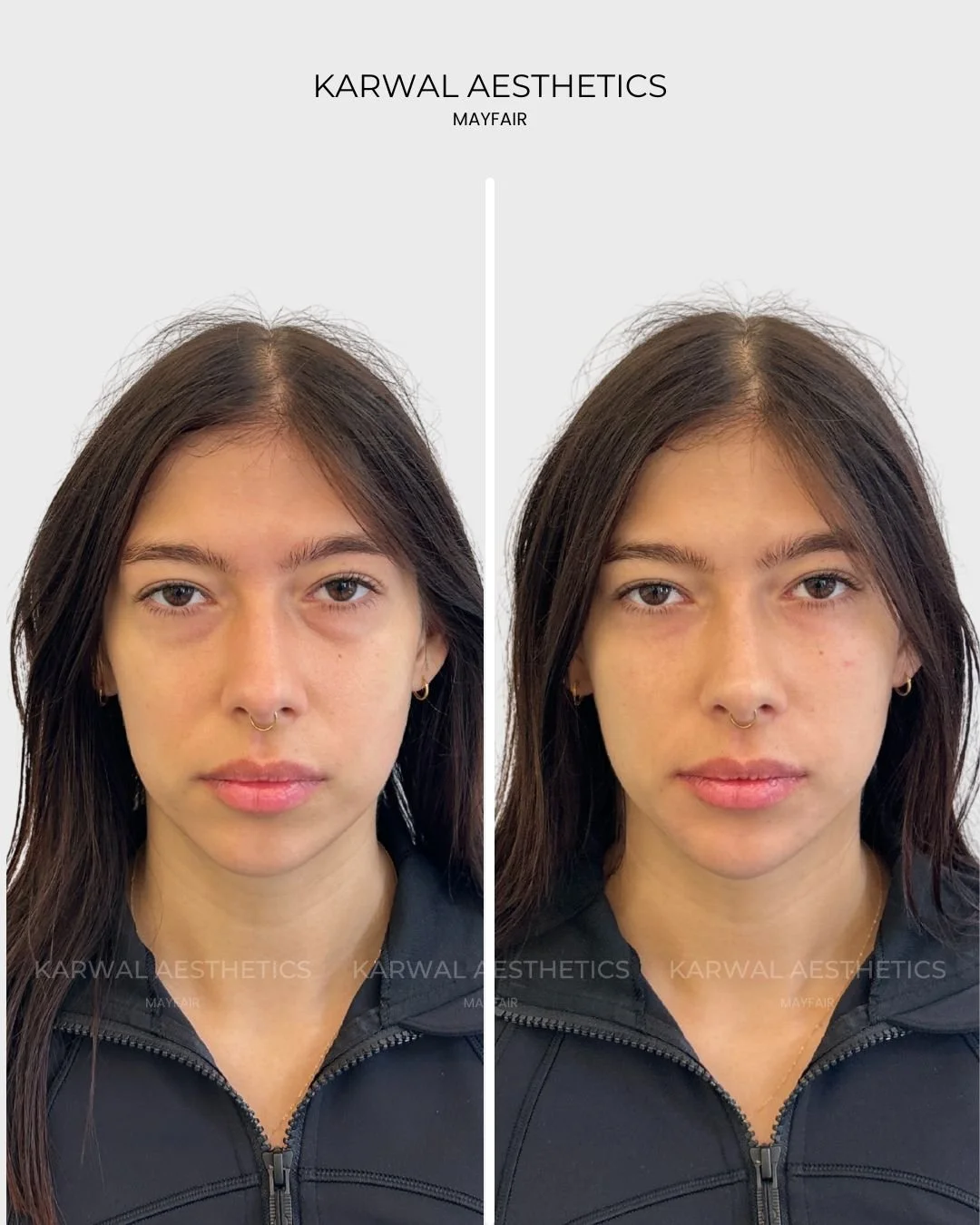
Under-eye hollowing, also known as tear trough deformity, is the sunken or shadowed groove that runs from the inner corner of the eye along the lower lid. Unlike bags, which protrude outwards, hollowing creates an indentation that makes the whole area look tired and aged. This is the concern tear trough filler treats best. Where the hollow is a true tear trough, filler is placed along the groove itself. Where it is driven by deflation of the cheek beneath, we restore the anterior cheek first, either alone or combined with the tear trough, as explained above. Both options are covered in our pricing.
FAQs
-
Needle entry points, redness, bruising, swelling and asymmetry around injection sites immediately after treatment is normal due to the very nature of the treatment.
There may also be some tenderness present as the bruising and inflammation sets in. These symptoms will resolve over the next 2-7 days, depending on your individual response to the treatment. It may take a full 2-4 weeks for all swelling to settle; until this time we cannot re-treat.
For 24 hours avoid:
Touching your face
Applying makeup
Skincare with active ingredients
For 48 hours avoid:
Intense physical activity
Sleeping on side or front
Spas/Saunas
Massage/facials
Touching/rubbing/massaging/exfoliating/applying pressure to treated areas
Alcohol
For 7 days:
Avoid rubbing your eyes
-
Temporary swelling, redness, tenderness and bruising at the injection sites are common and settle within days. Less commonly, filler placed too superficially or in too great a volume can cause persistent puffiness or a bluish tint known as the Tyndall effect; we minimise this risk through conservative volumes and a low-hydrophilic product chosen for this area. The most serious complication of any filler treatment, vascular occlusion, is extremely rare and is the reason this treatment should only ever be performed by a medical professional trained to recognise and manage it immediately.
-
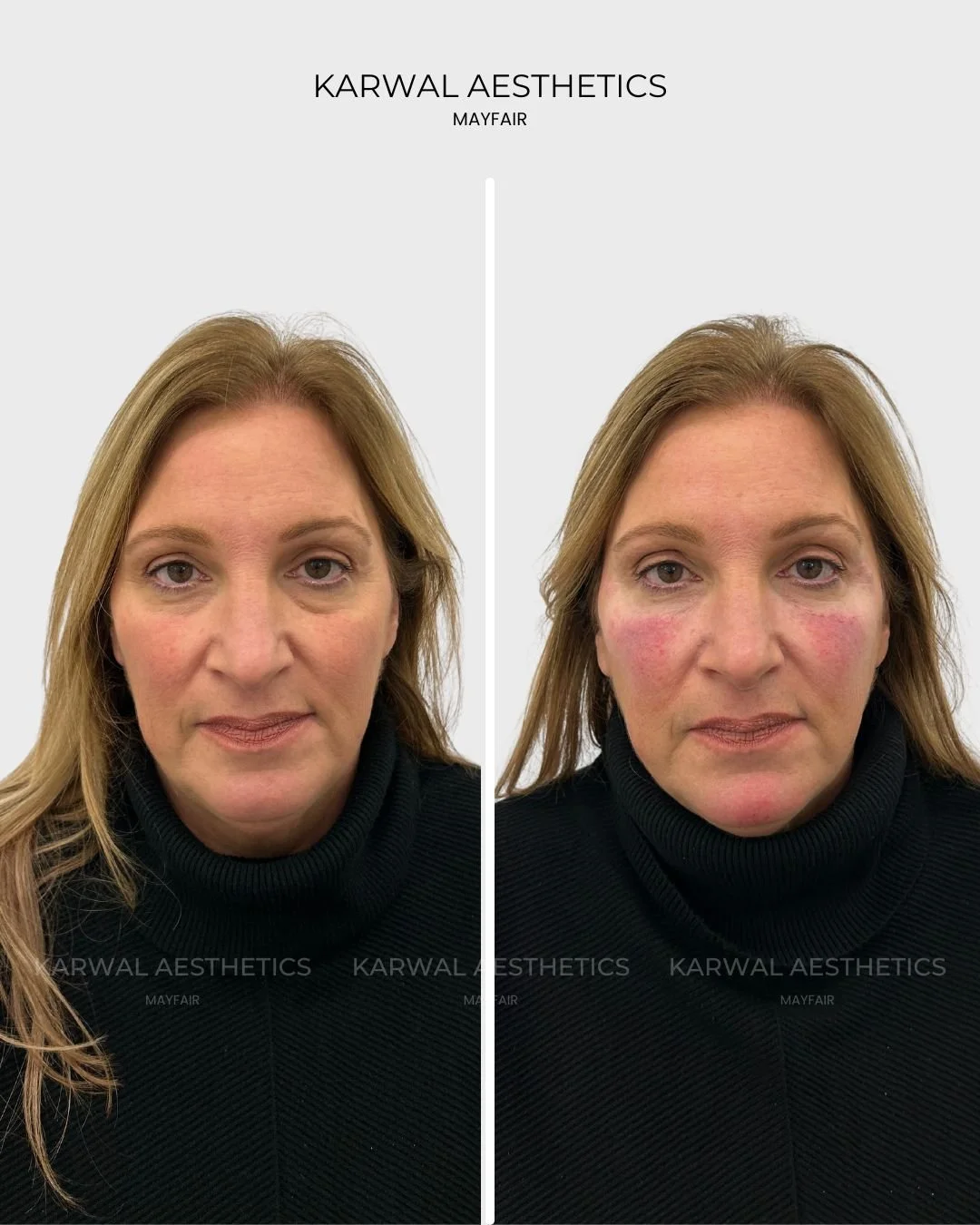
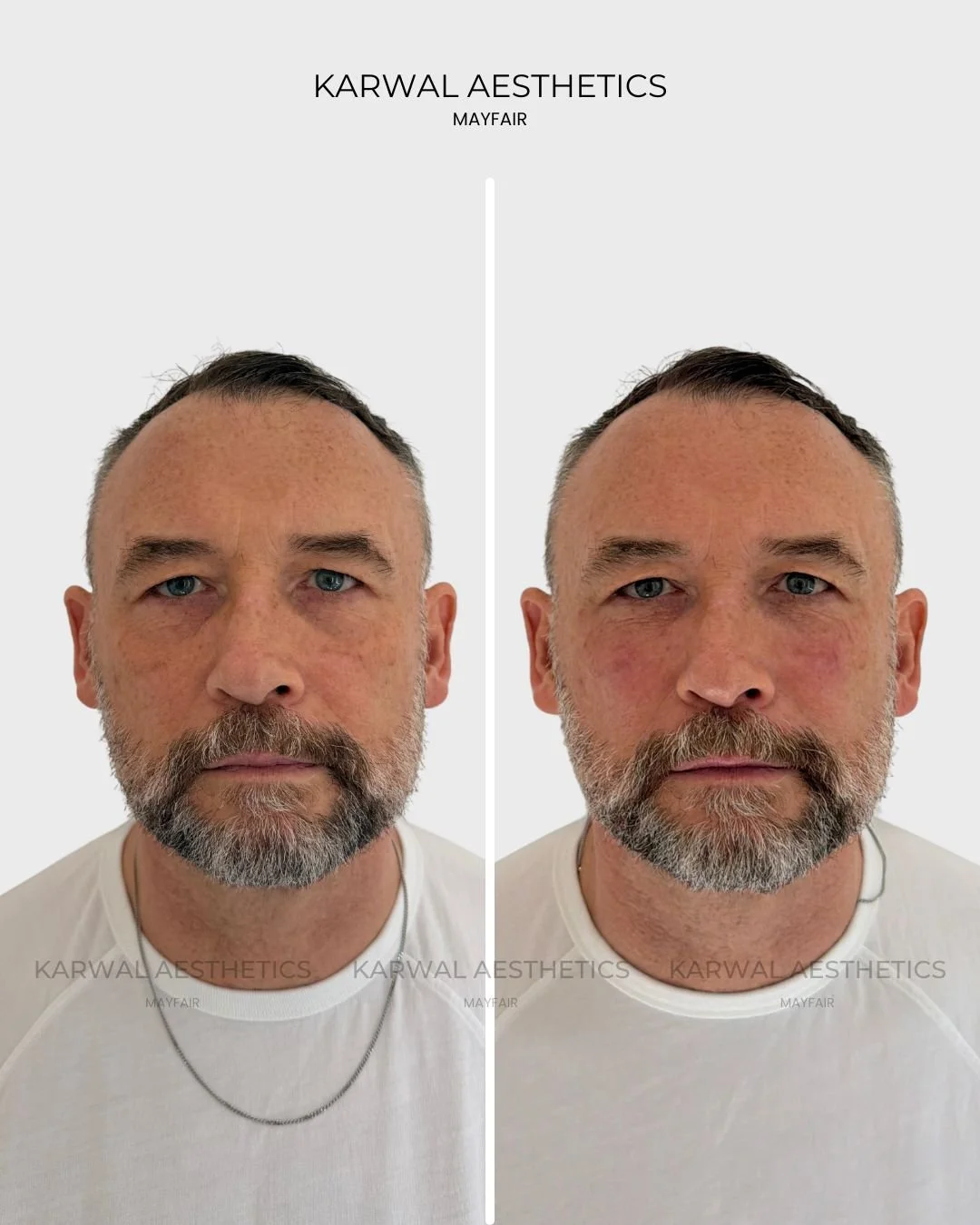
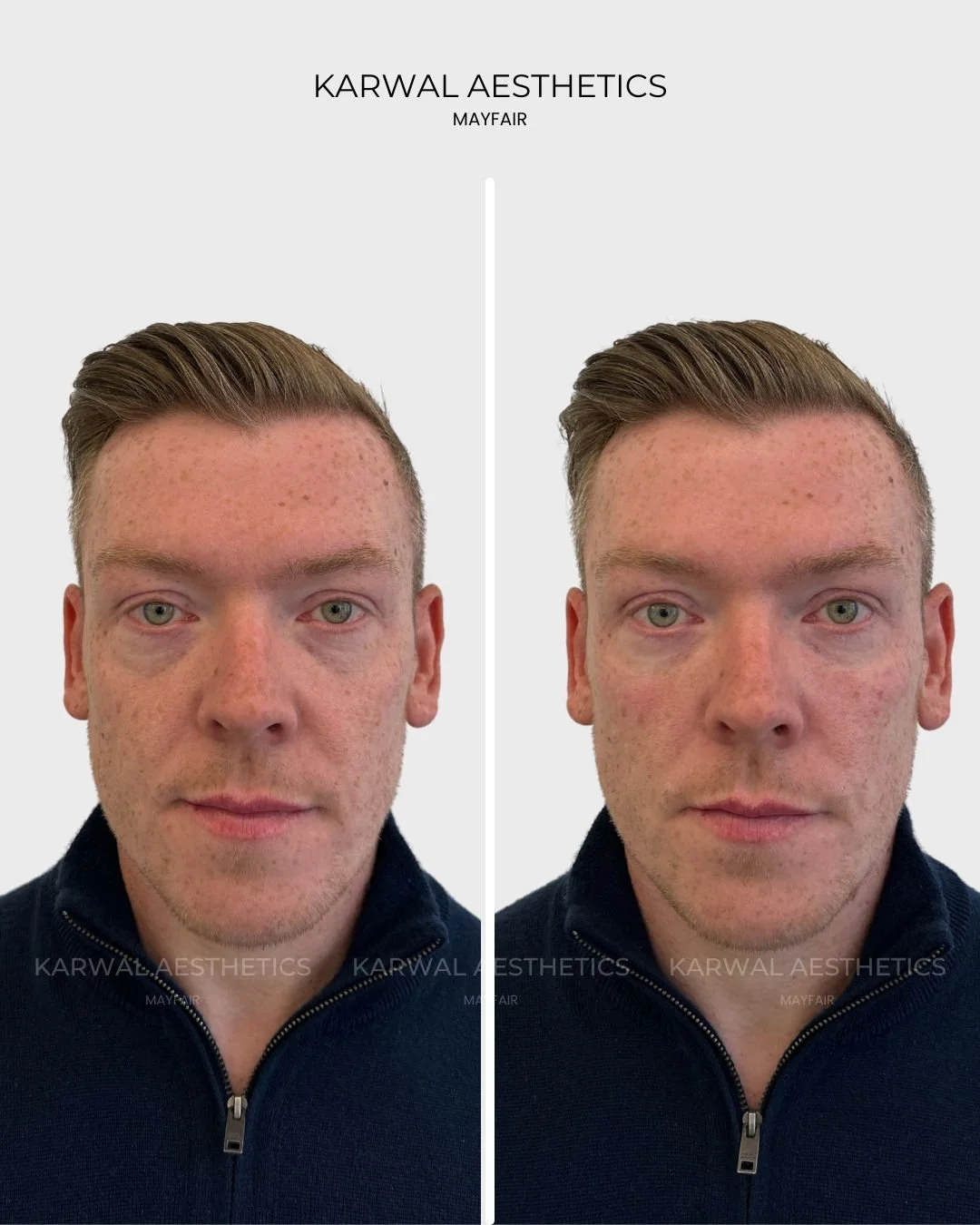
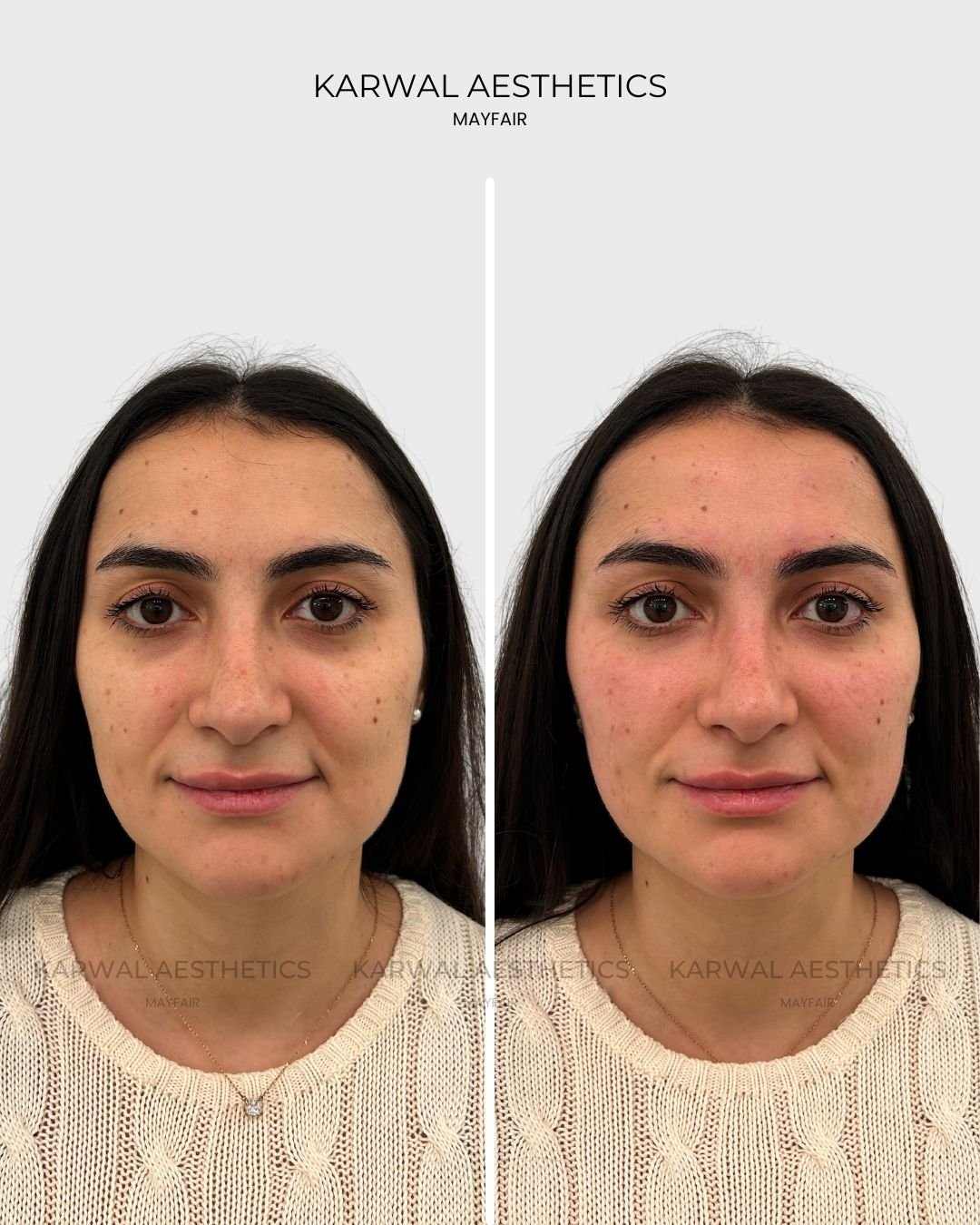
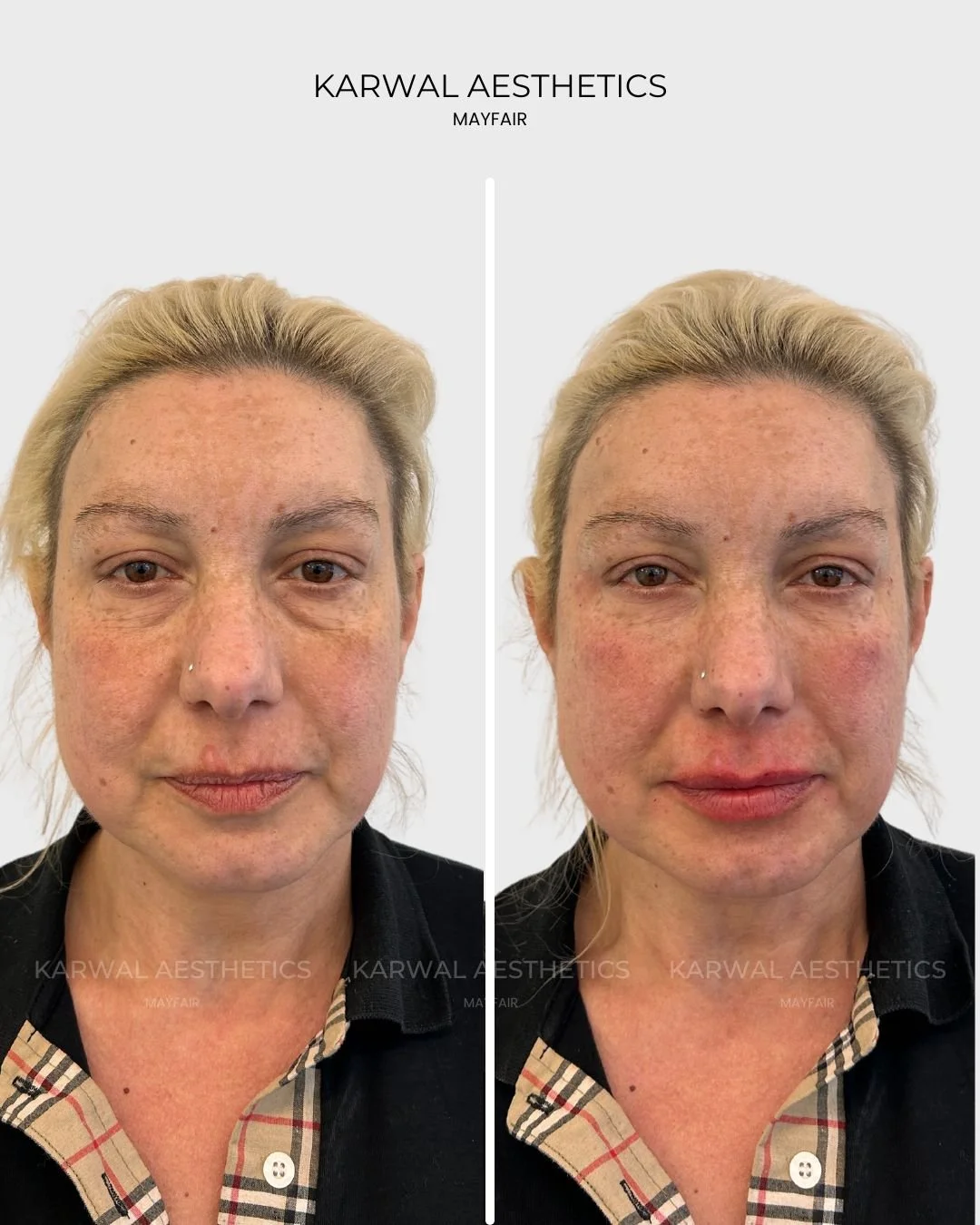
Results are visible immediately, although some swelling in the first days is normal and the true result settles over two weeks.
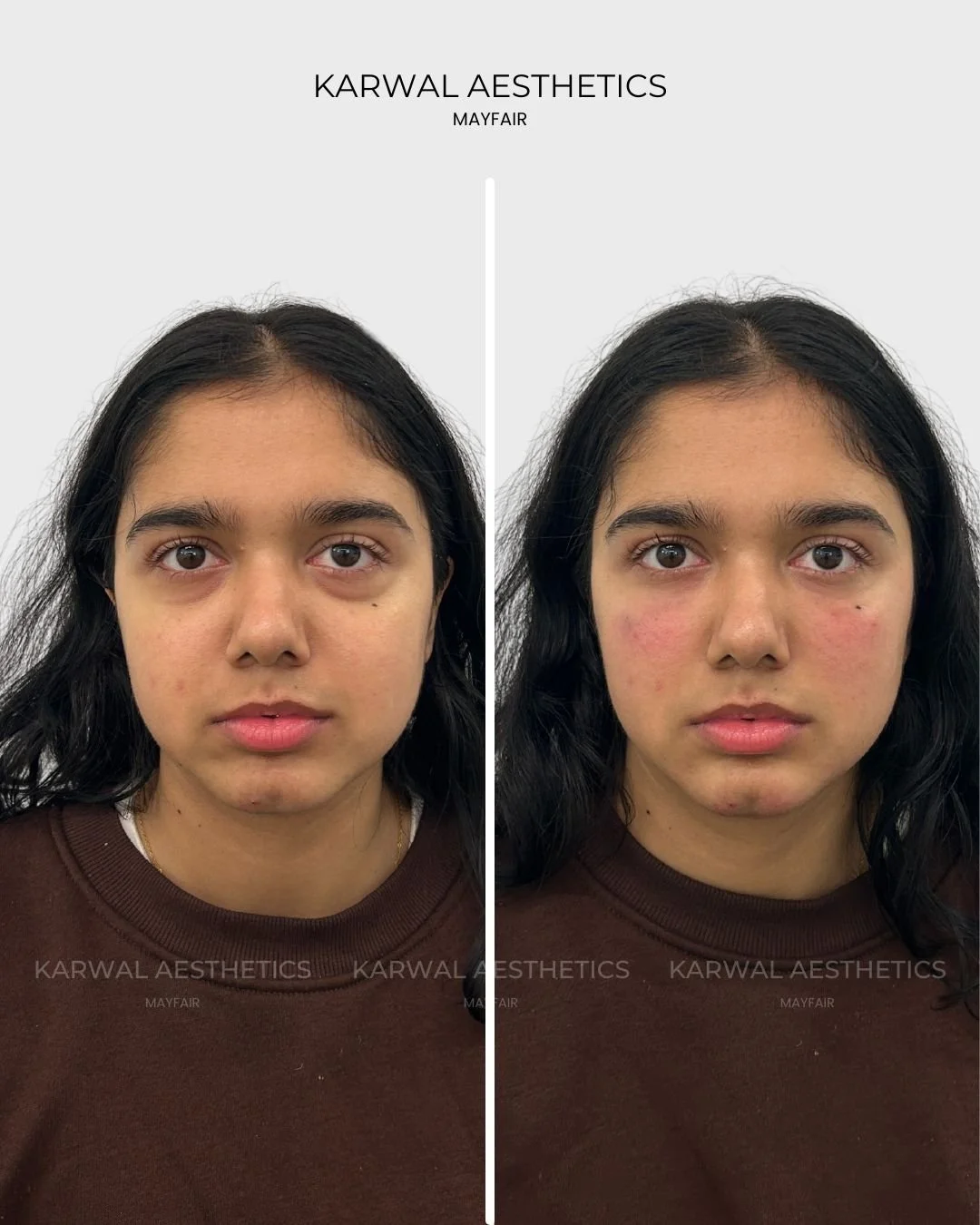
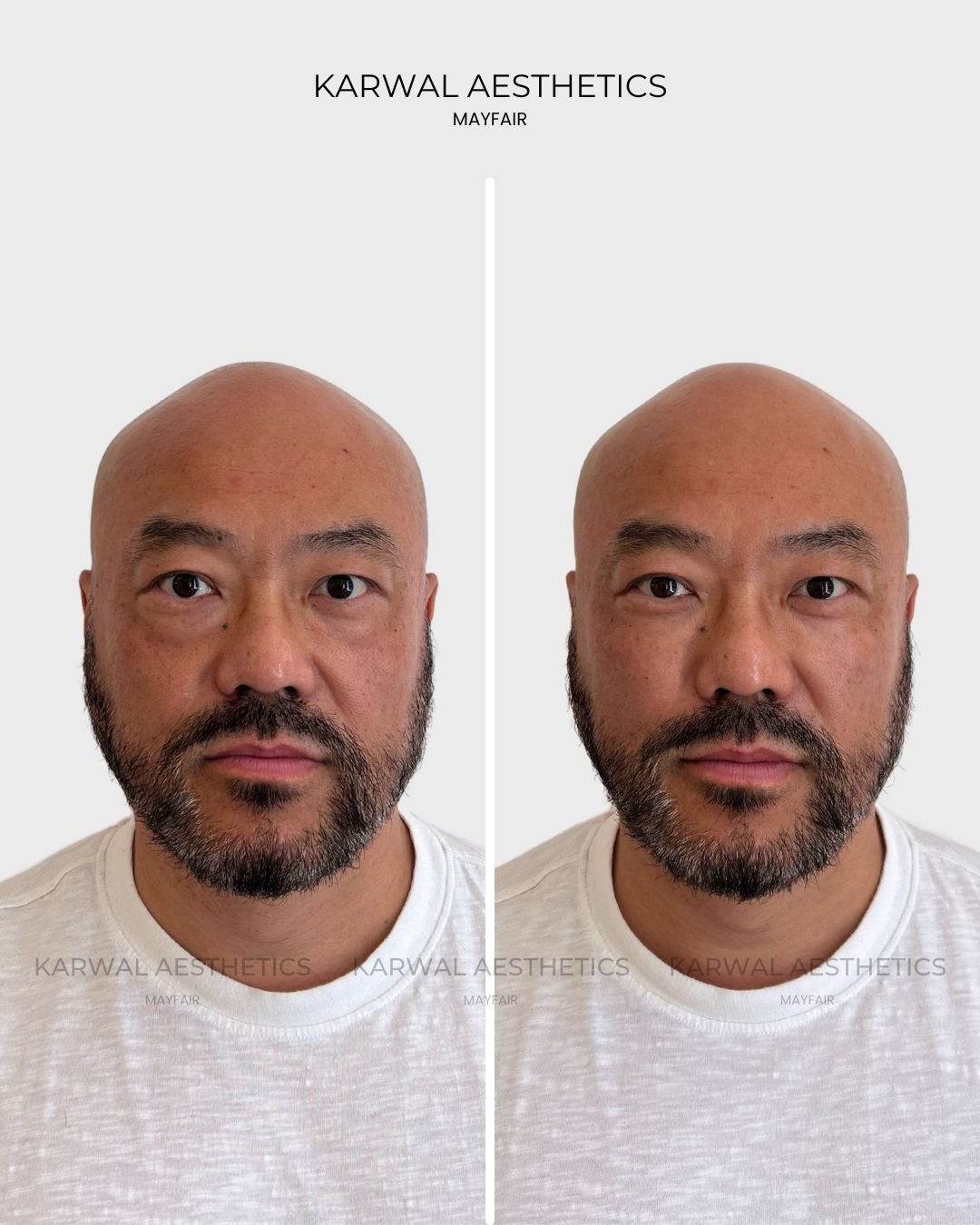
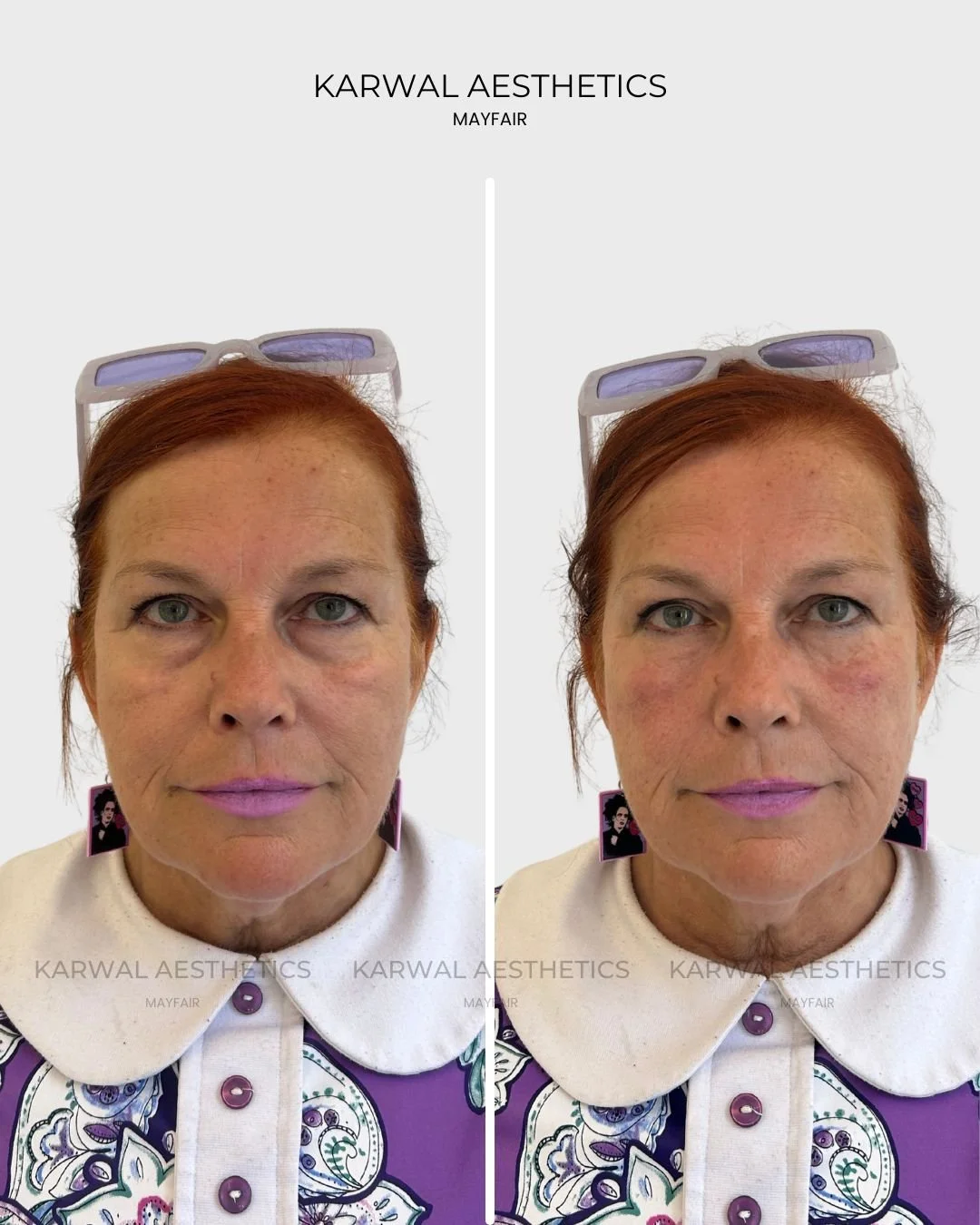
See immediate results from our clinic here.
-
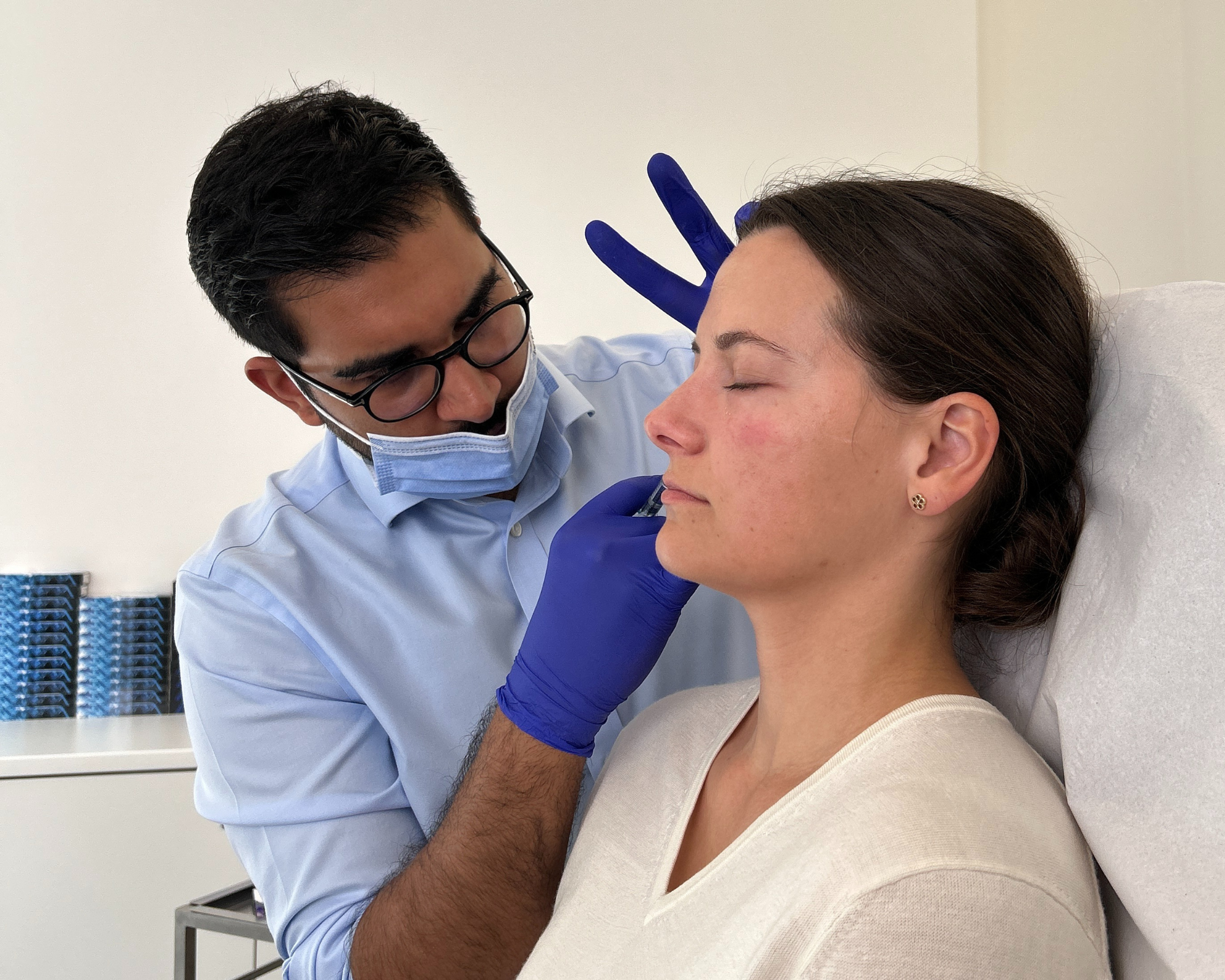
This is a gentle treatment and most patients find it far more comfortable than they expect. A topical numbing cream is applied beforehand, and Dr Karwal mostly uses a cannula, a blunt-tipped instrument that requires only a single entry point per side and reduces both discomfort and bruising. Most describe a sensation of pressure rather than pain.
-
Good candidates have a visible hollow or groove under the eyes with reasonably firm, healthy skin. You may not be suitable if your main concern is pigmentation, if you have significant under-eye bags or notable skin laxity, or if you retain fluid easily in this area, in which case filler can make puffiness worse rather than better. Suitability is exactly what the consultation is for, and if filler is not right for you, Dr Karwal will say so and recommend the treatment that is, whether that is Sunekos, CO2 laser resurfacing, Endolift or prescription skincare.
-
Hollowness under the eyes
A sunken appearance to the eye
Dark circles under the eye
Under-eye fillers won't address pigmentation issues. If pigmentation is a concern, it will be identified during your consultation.
-
Yes, we use hyaluronic acid fillers to treat under the eye, reversible at any time.
-
We use Teoxane Teosyal Redensity 2, recognised as one of the thinnest and least hydrophilic fillers available on the market. It is particularly effective for this facial region due to the extreme delicacy of the skin beneath the eyes.
-
This treatment typically lasts for approximately 12–24 months before requiring a top-up. The longevity of results varies based on several factors.
-
Metabolism: People with faster metabolisms may break down fillers more quickly.
Lifestyle: Sun exposure, smoking, saunas and intense physical activity can reduce longevity.
Injection Technique: Depending on what technique is required, this can impact how long results last.
Type of Filler: Dense fillers tend to last longer than soft fillers.
-
Our clinic is in Mayfair, central London, at 2nd Floor, 15 Dover Street, W1S 4LP, a short walk from Green Park station. Please note the clinic is on the second floor with stair access only.
All treatments begin with a consultation with Dr Karwal, which you can book online.