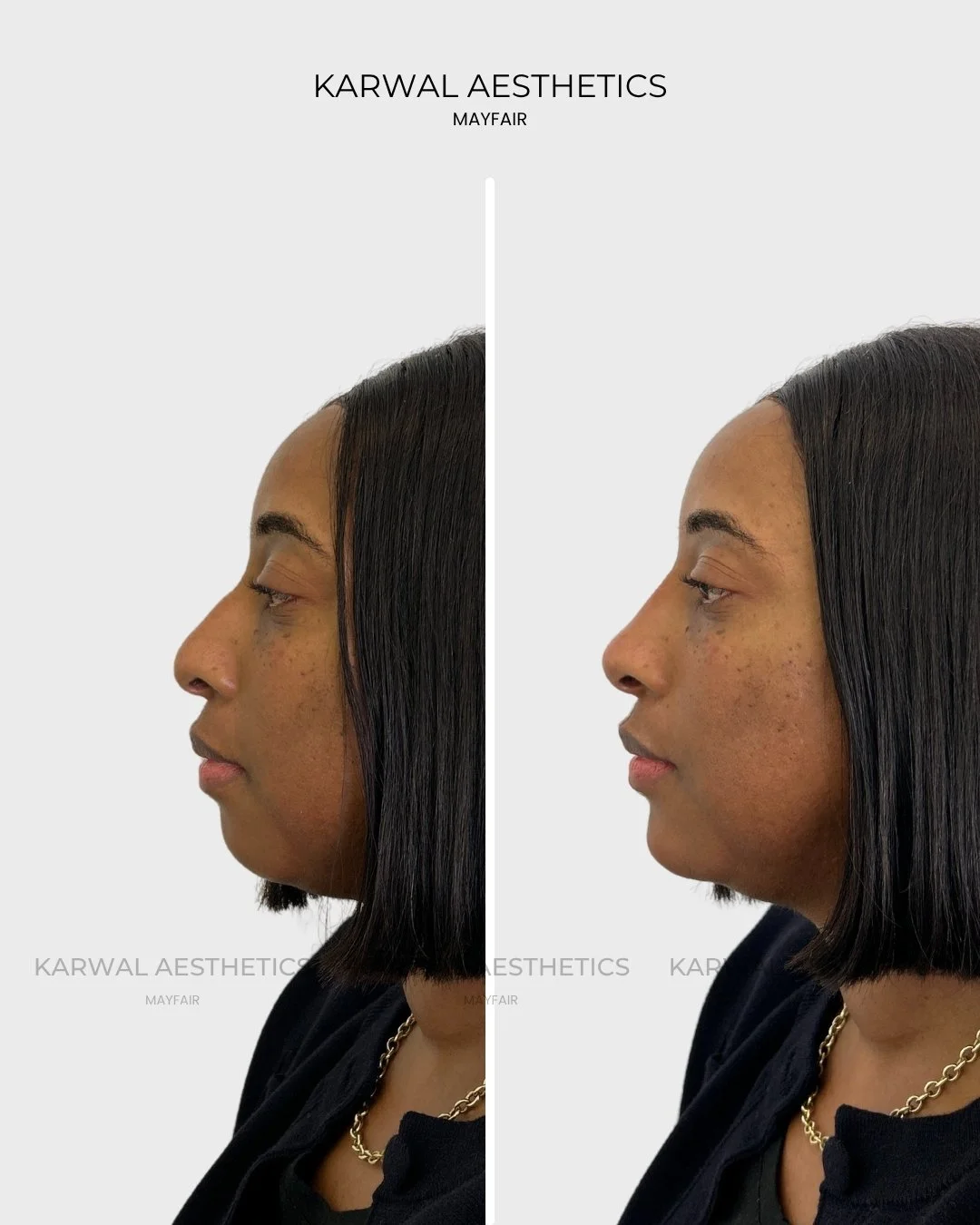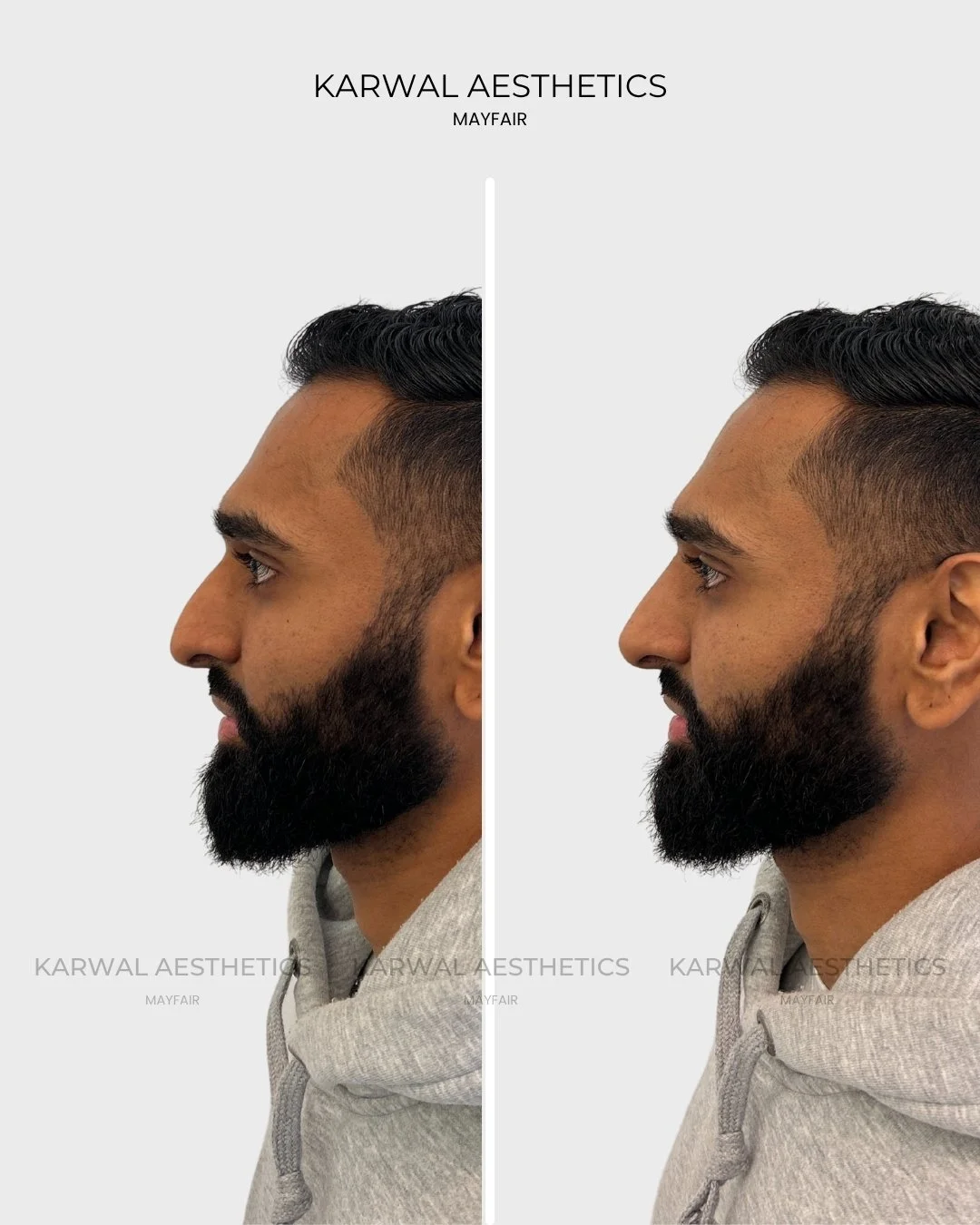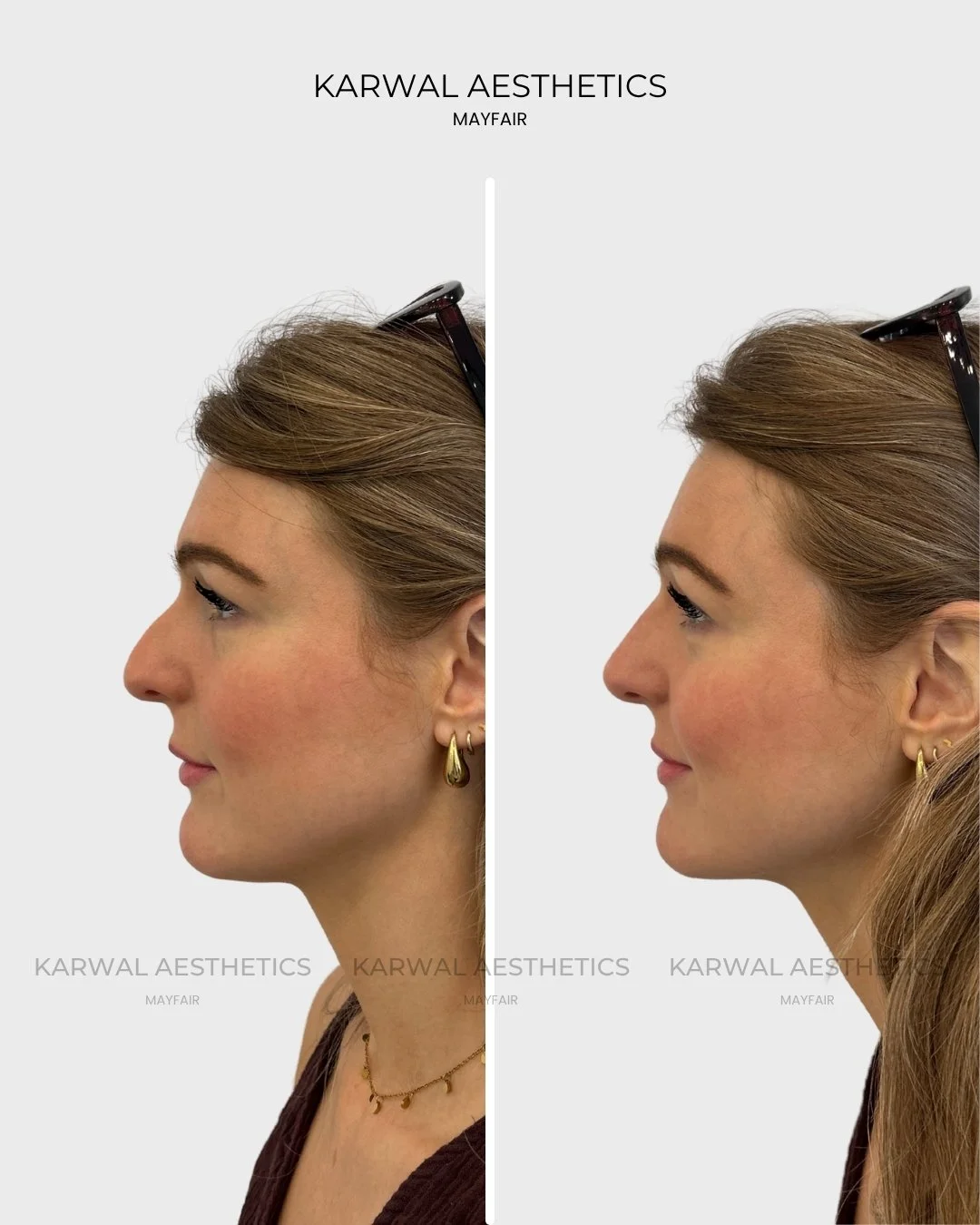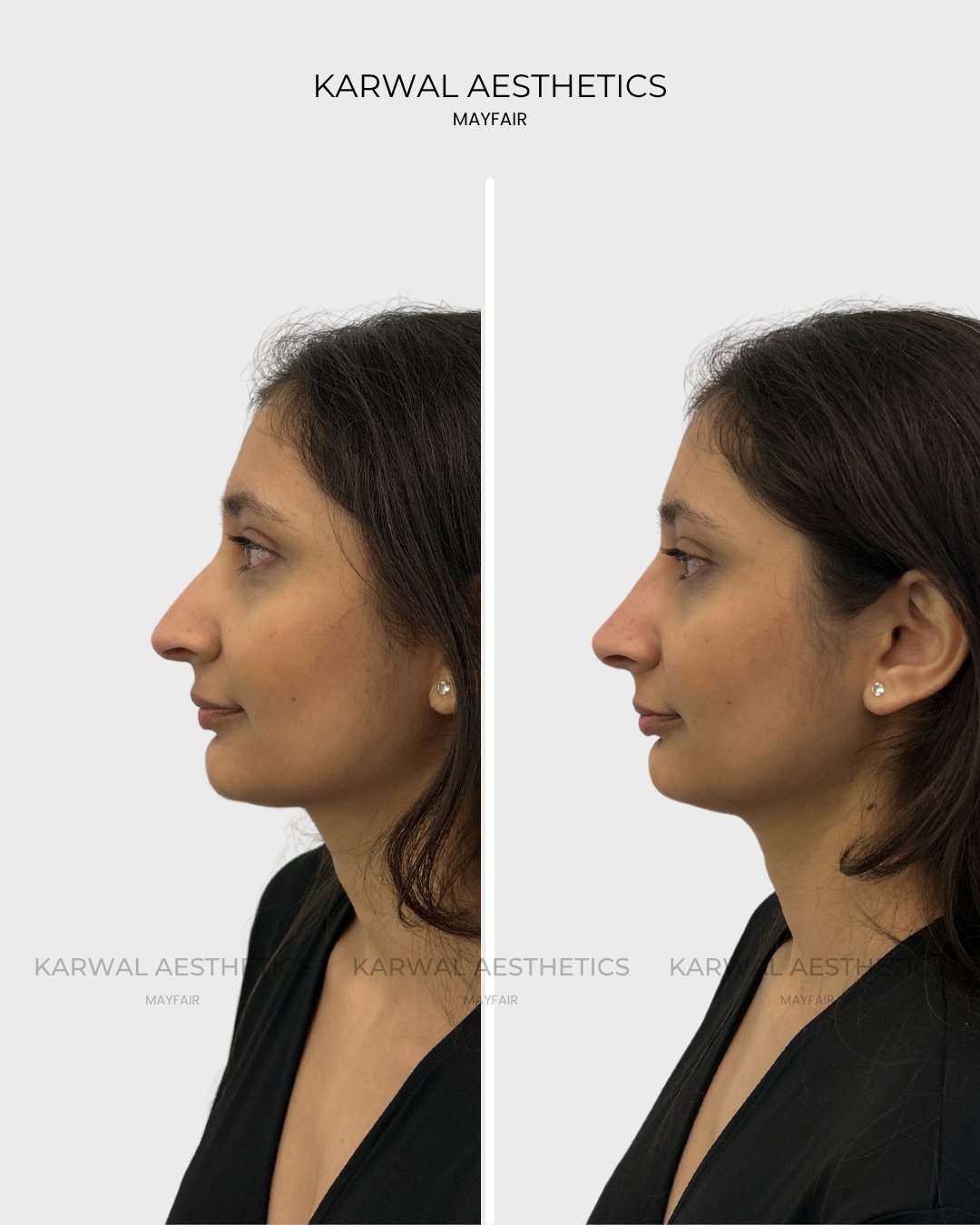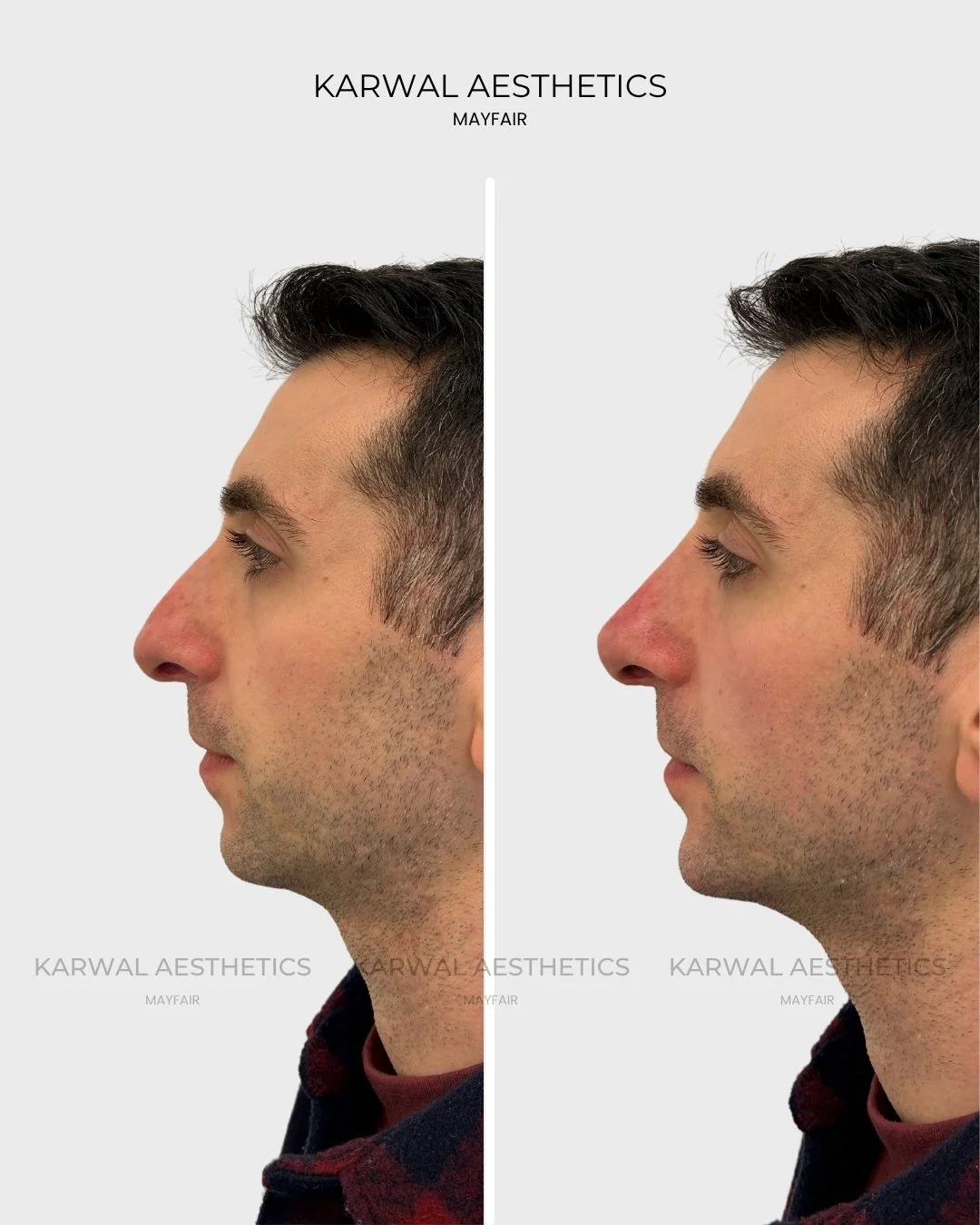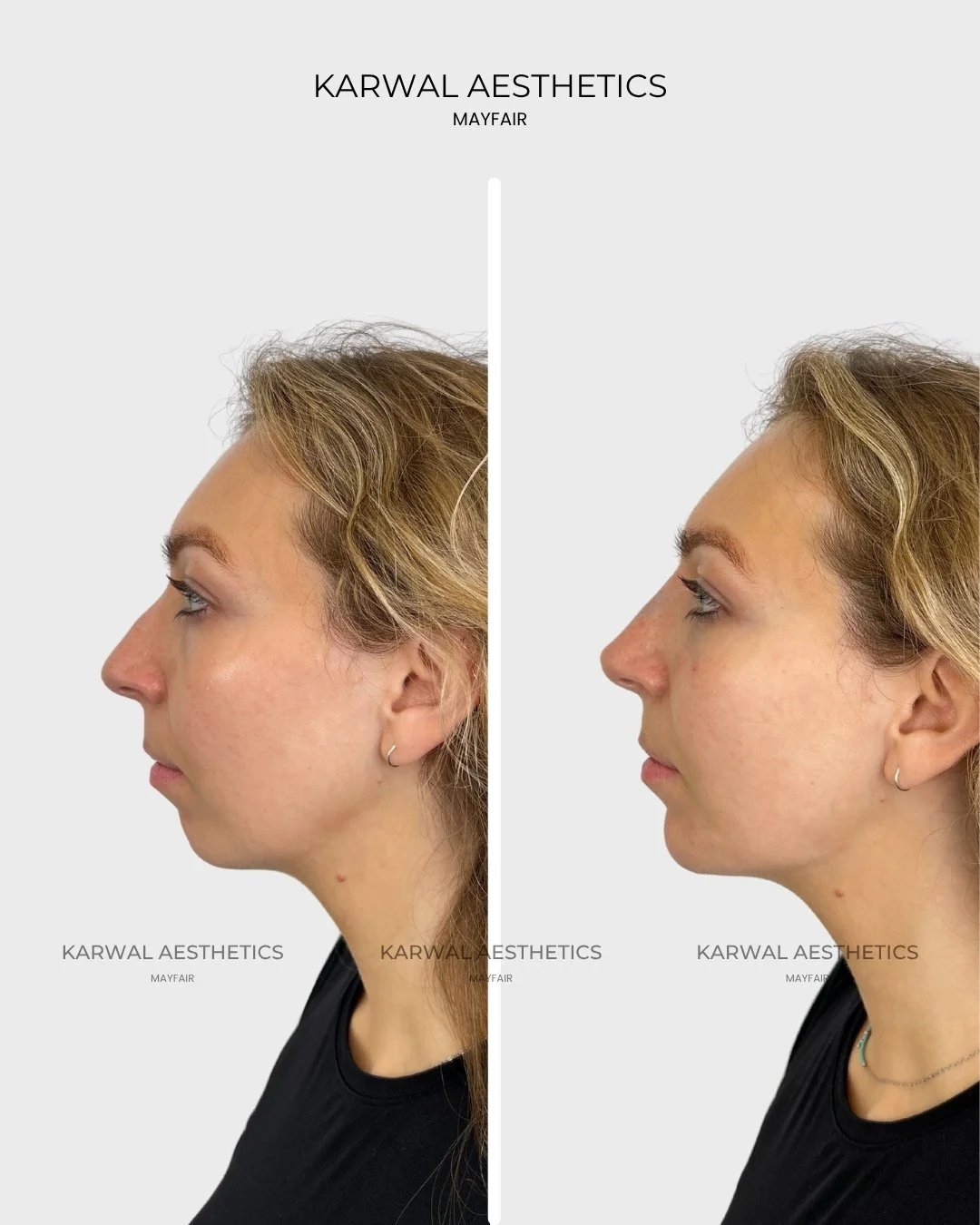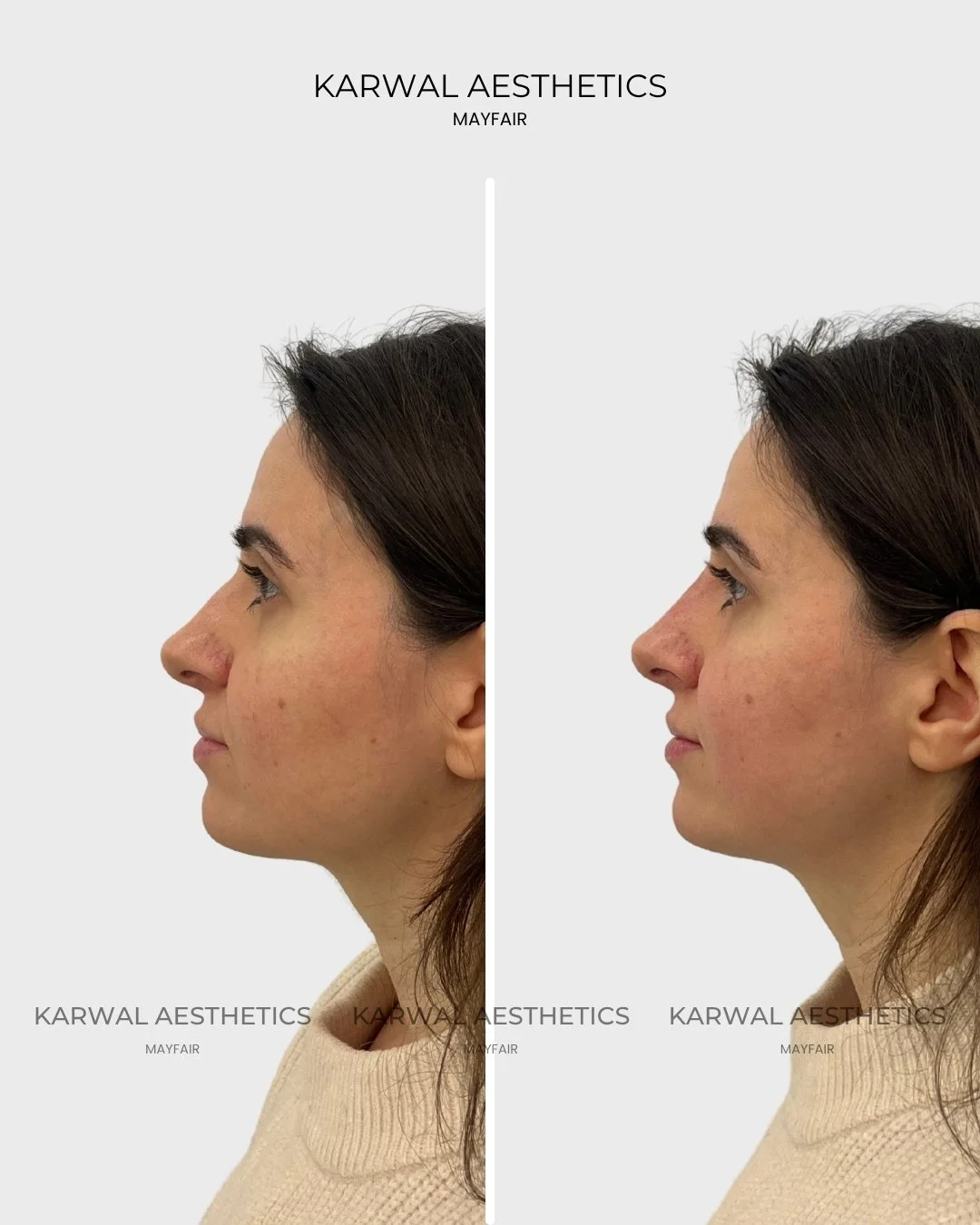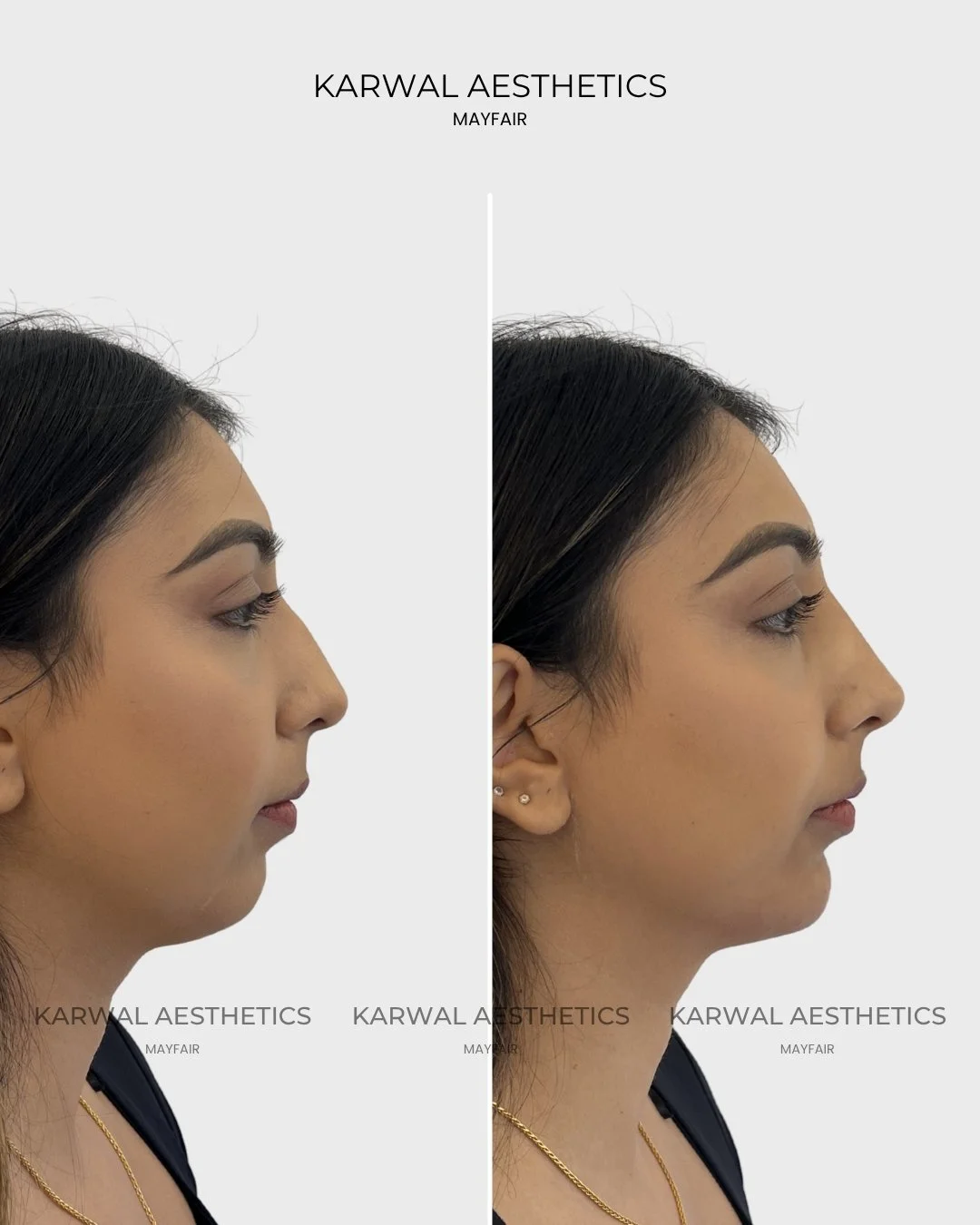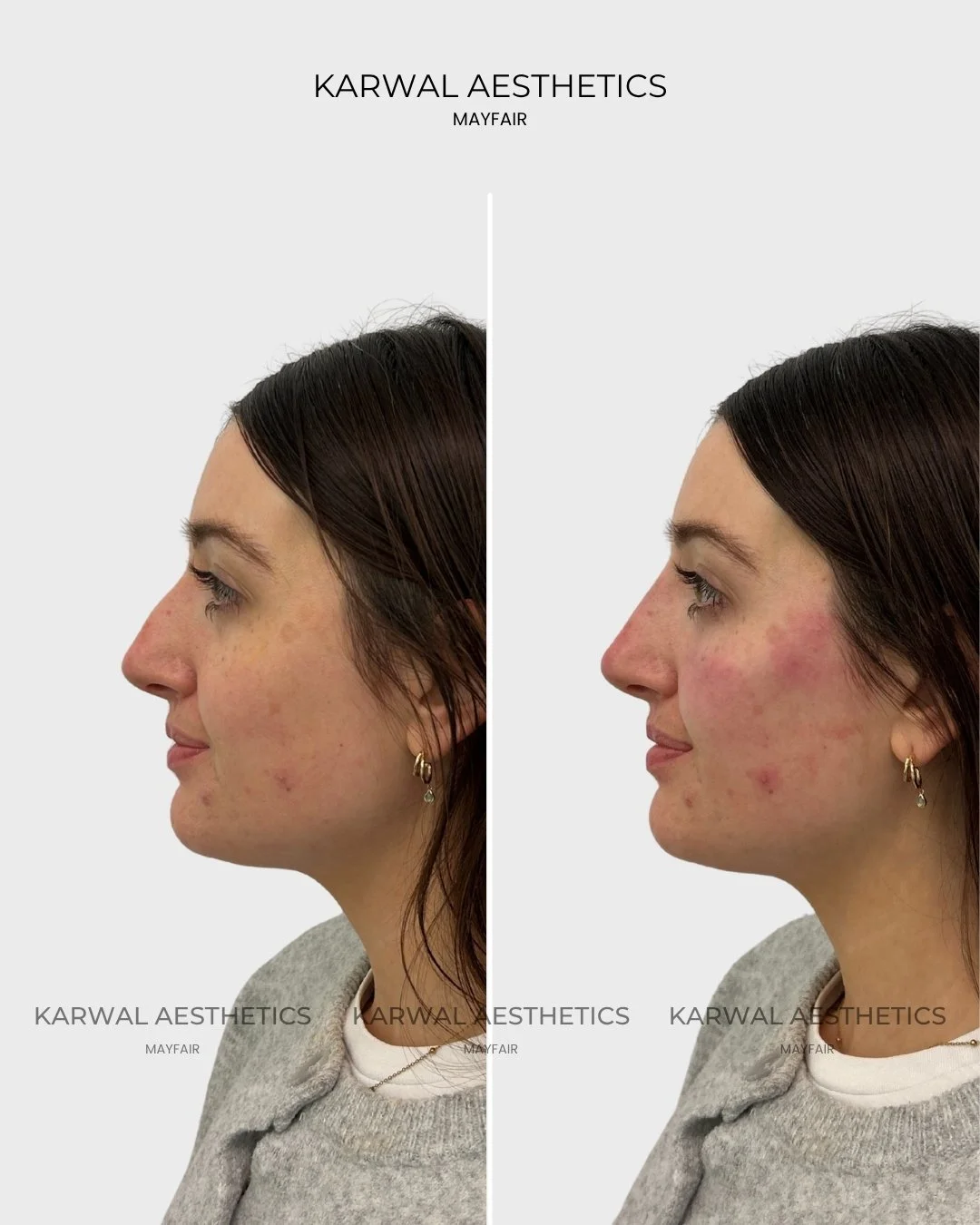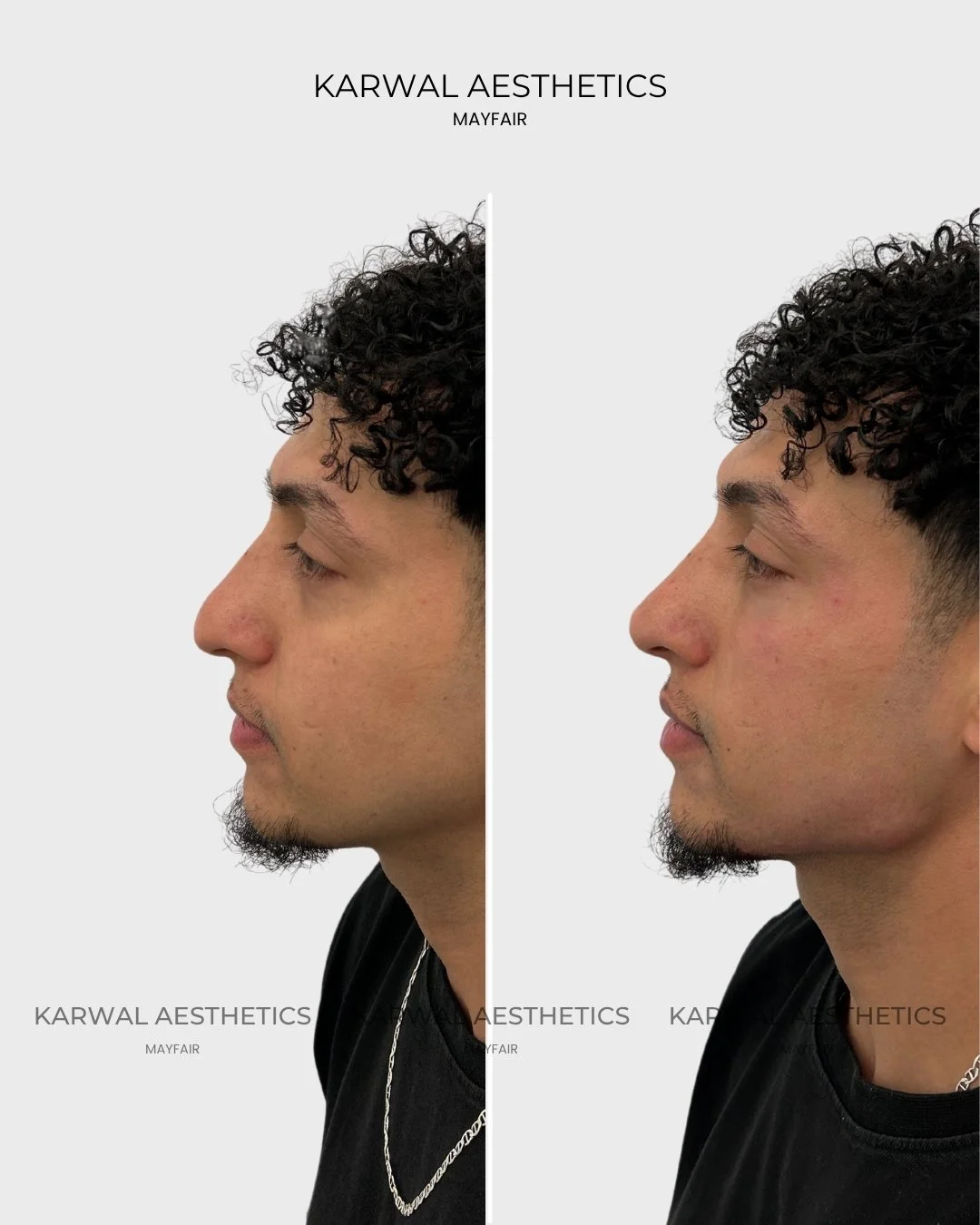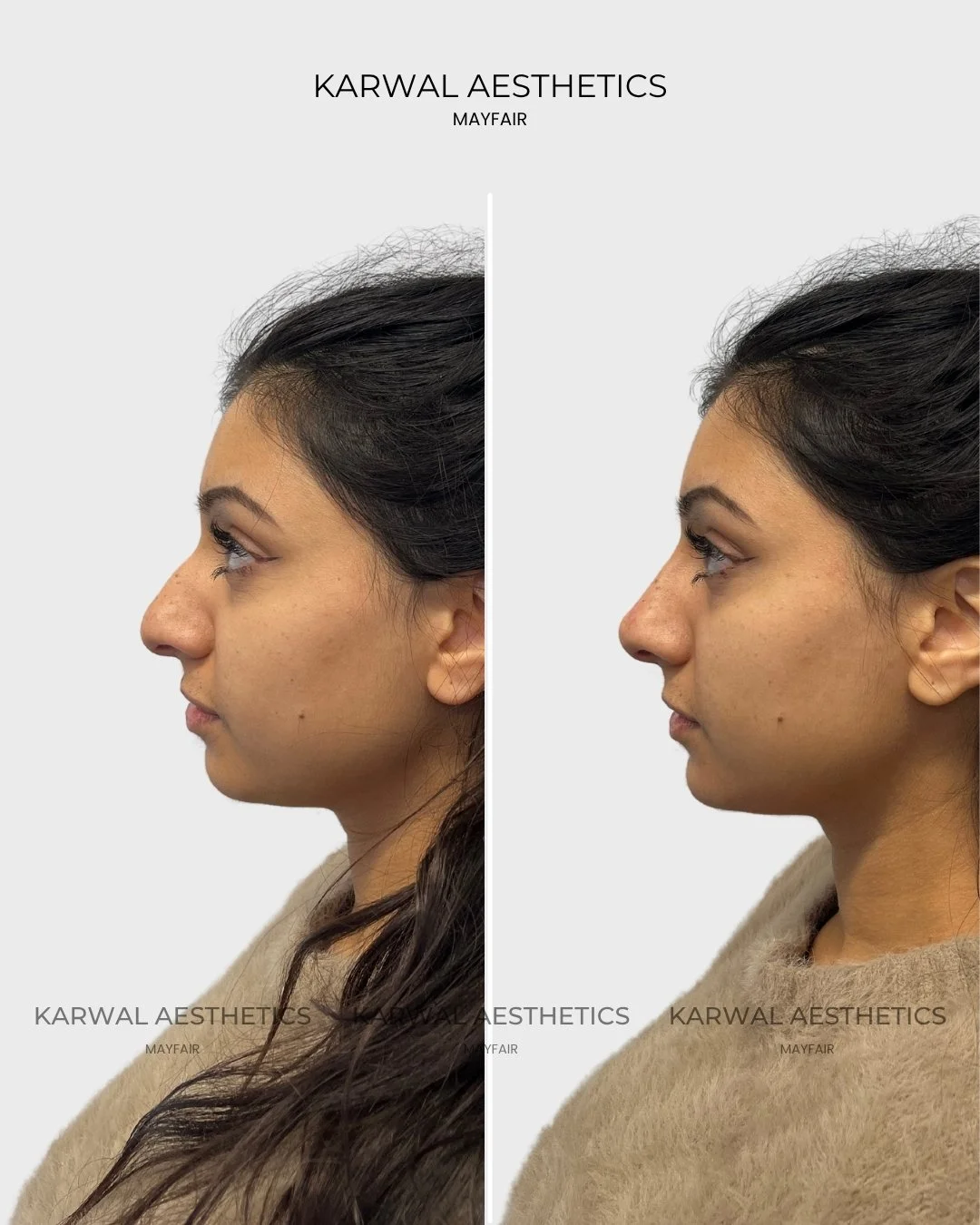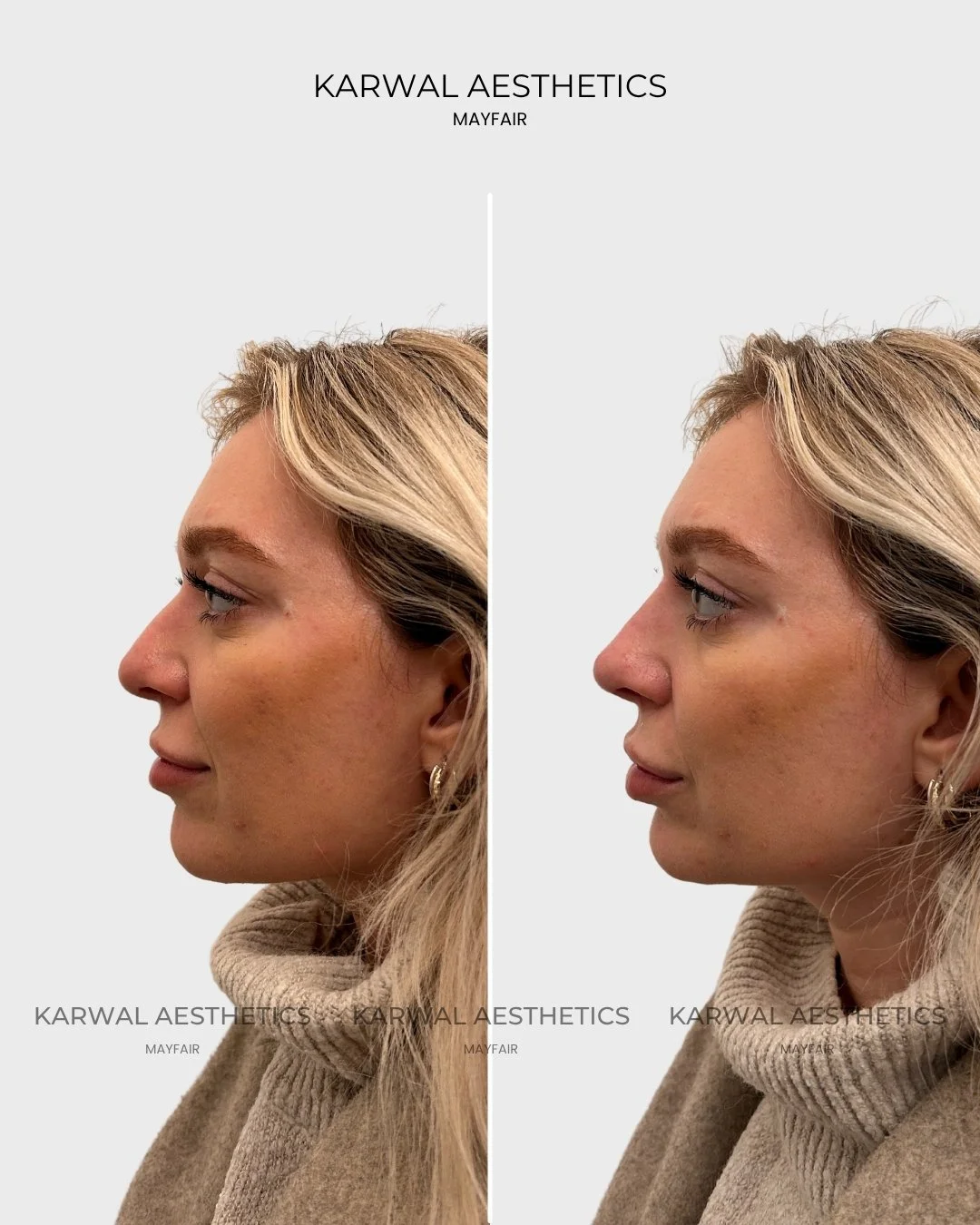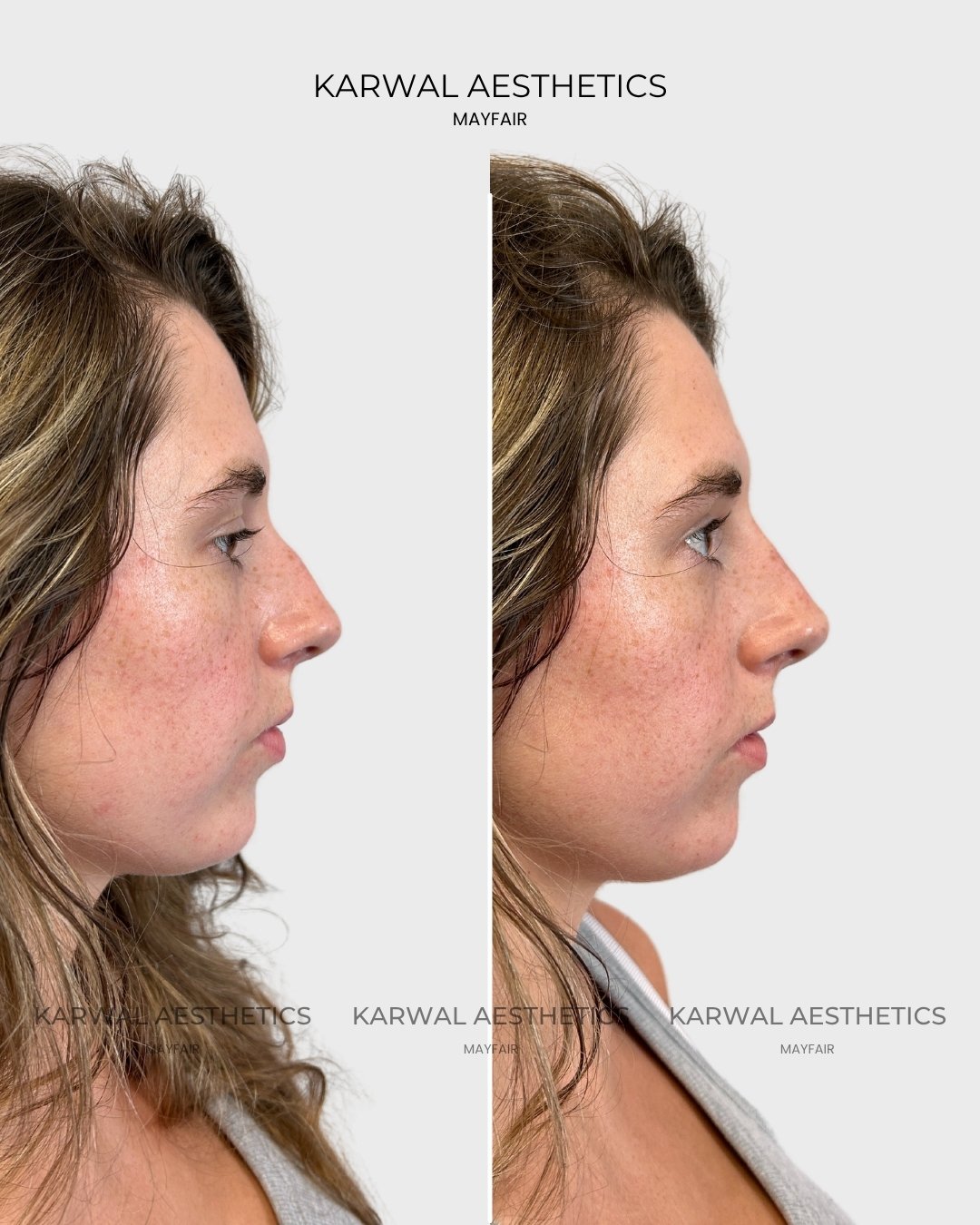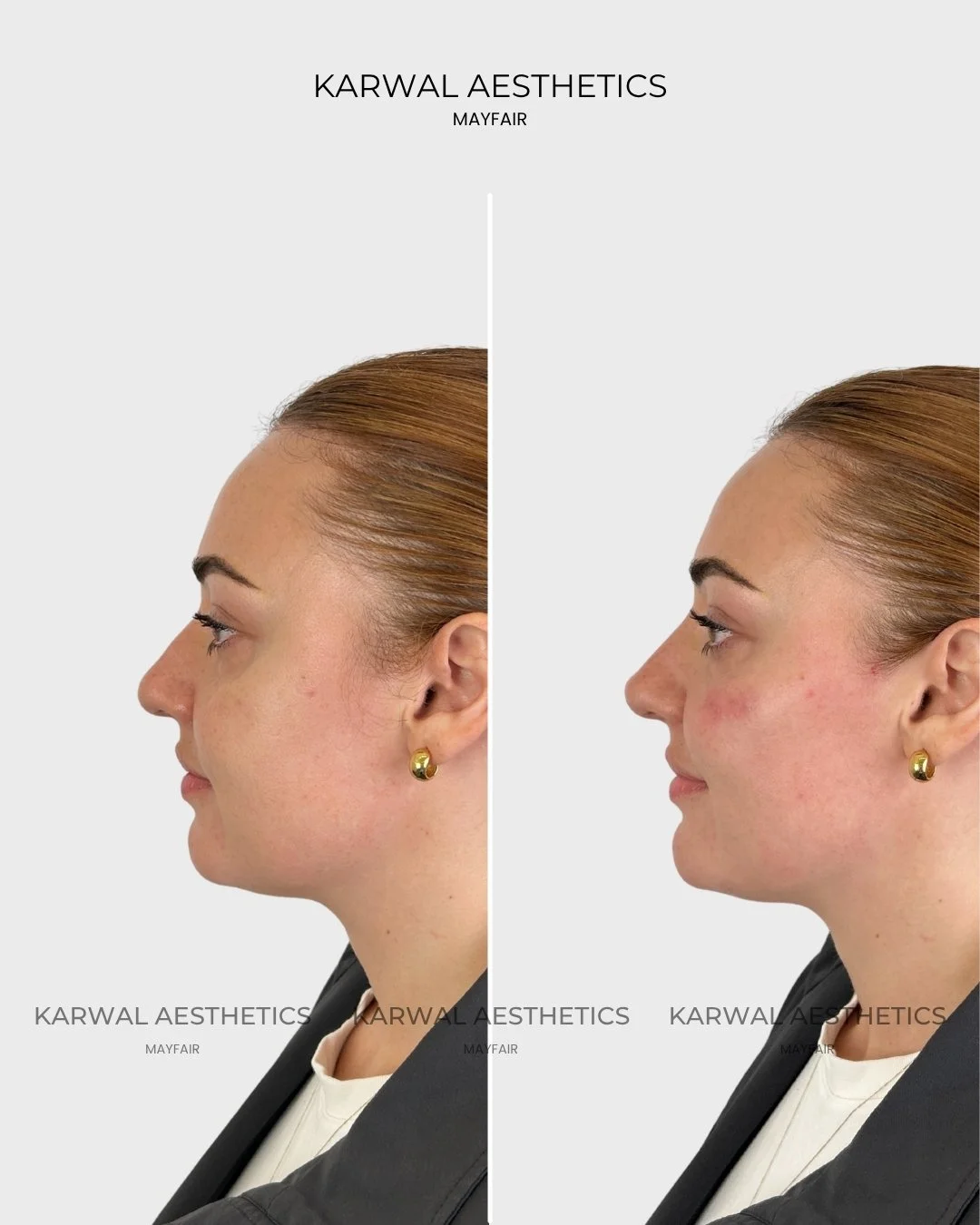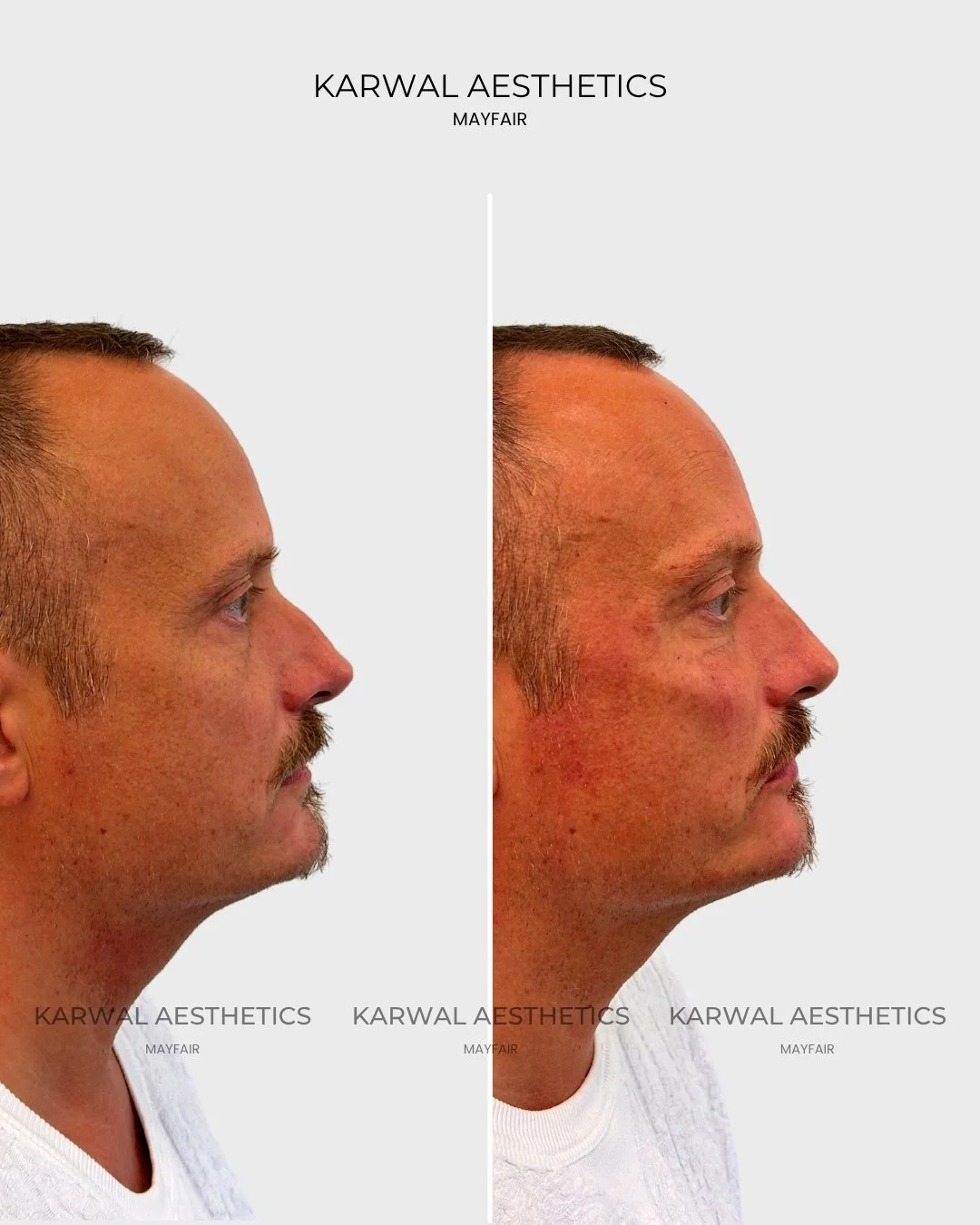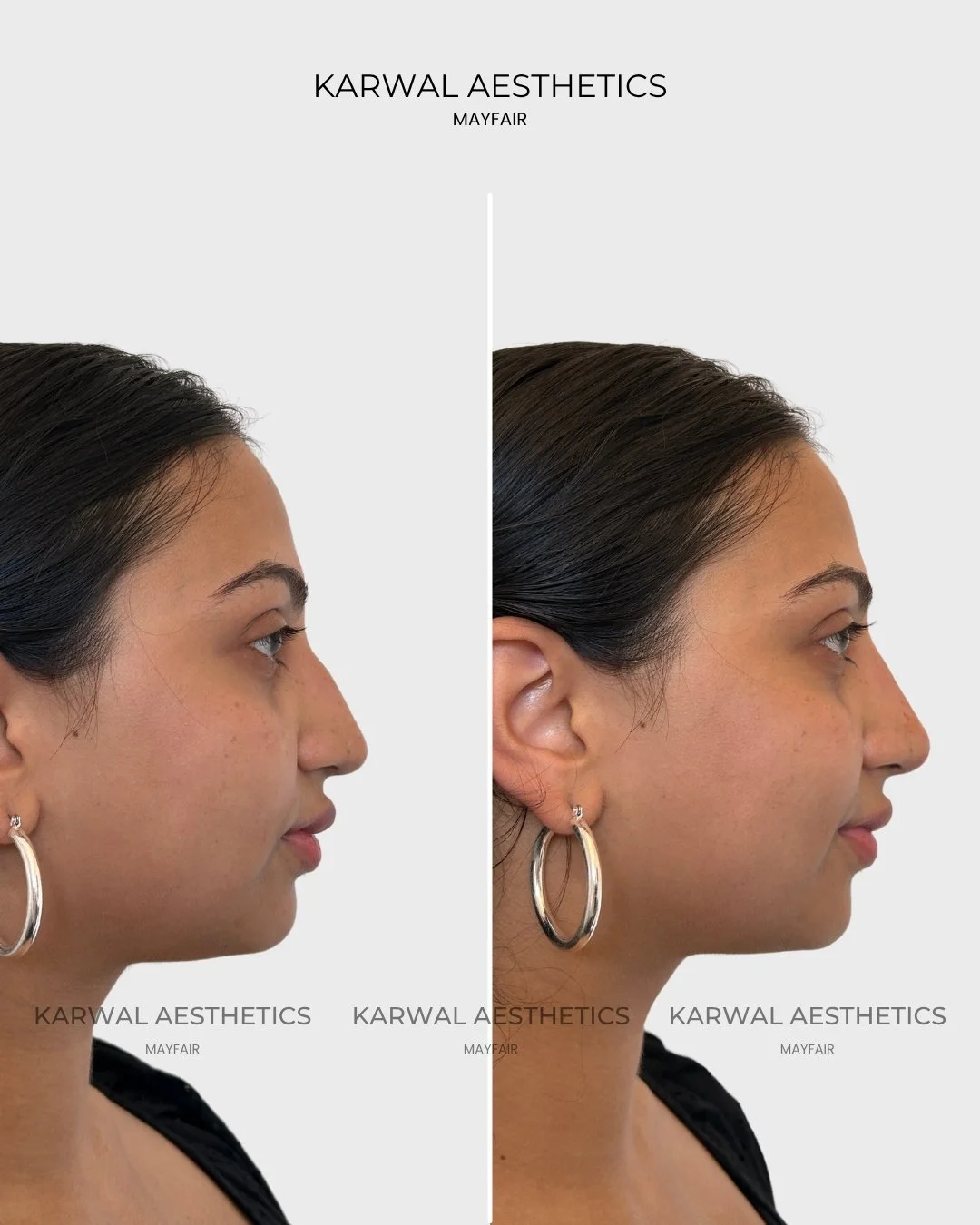
Non-Surgical Rhinoplasty

from £550

What is Non-Surgical Rhinoplasty?

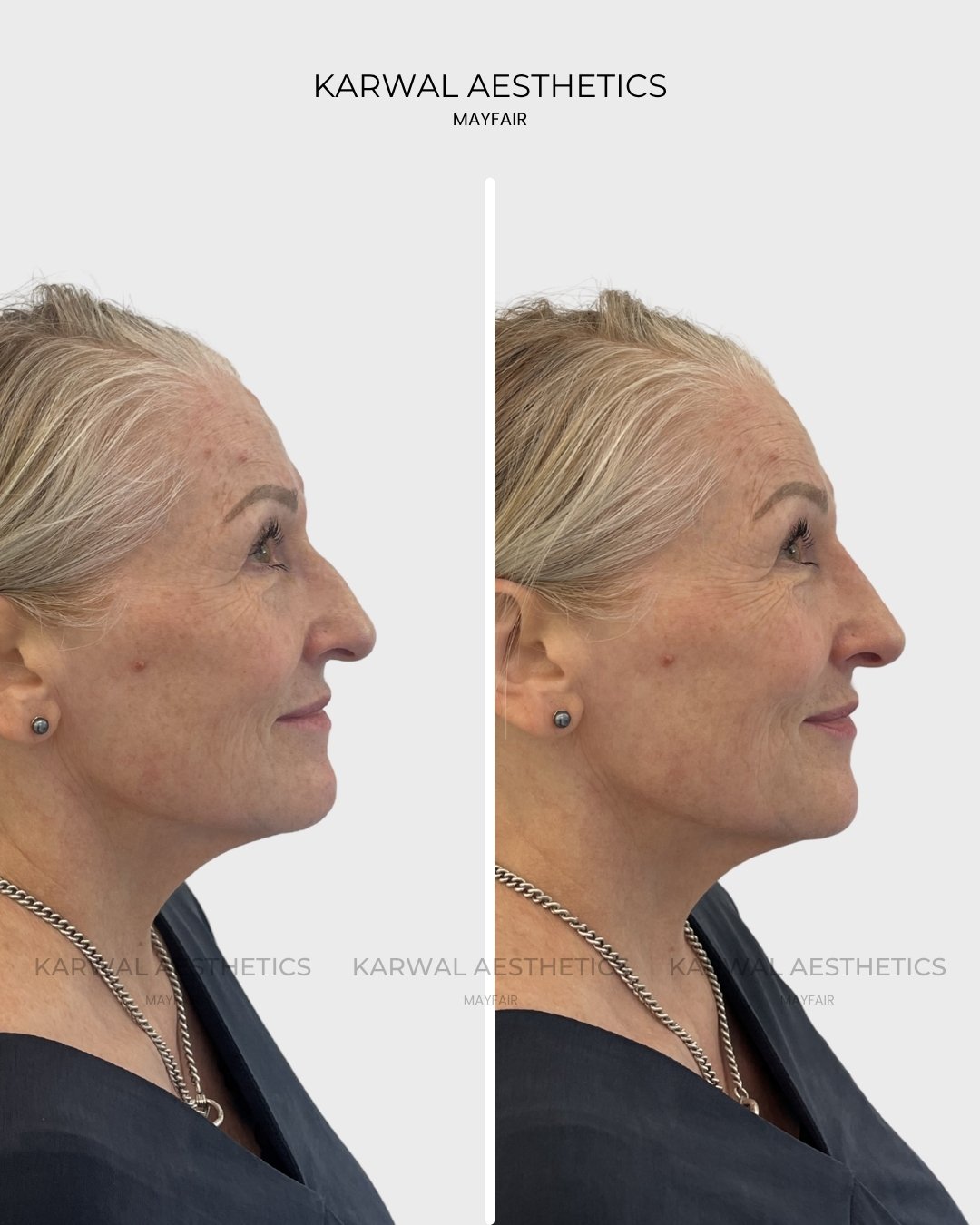
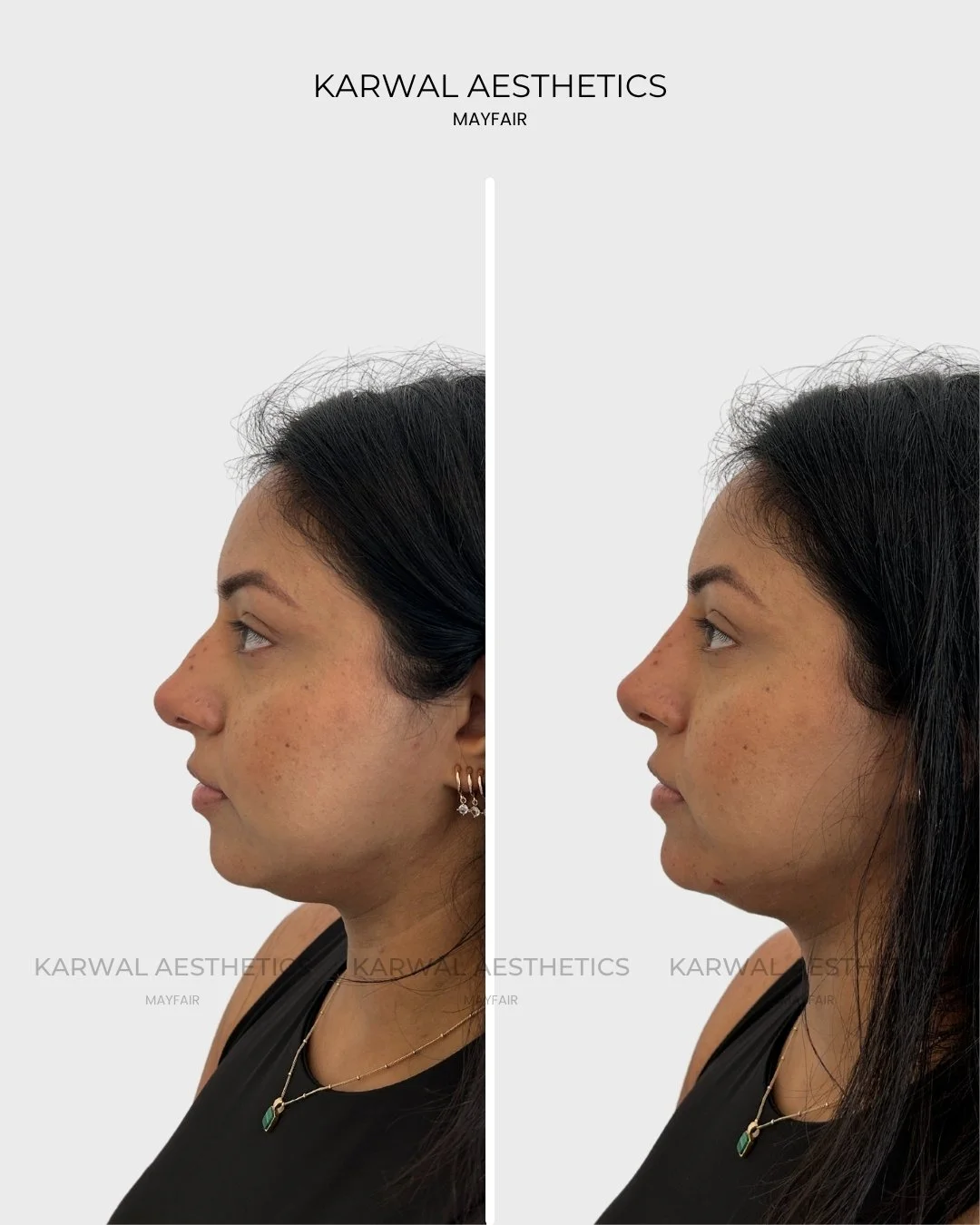
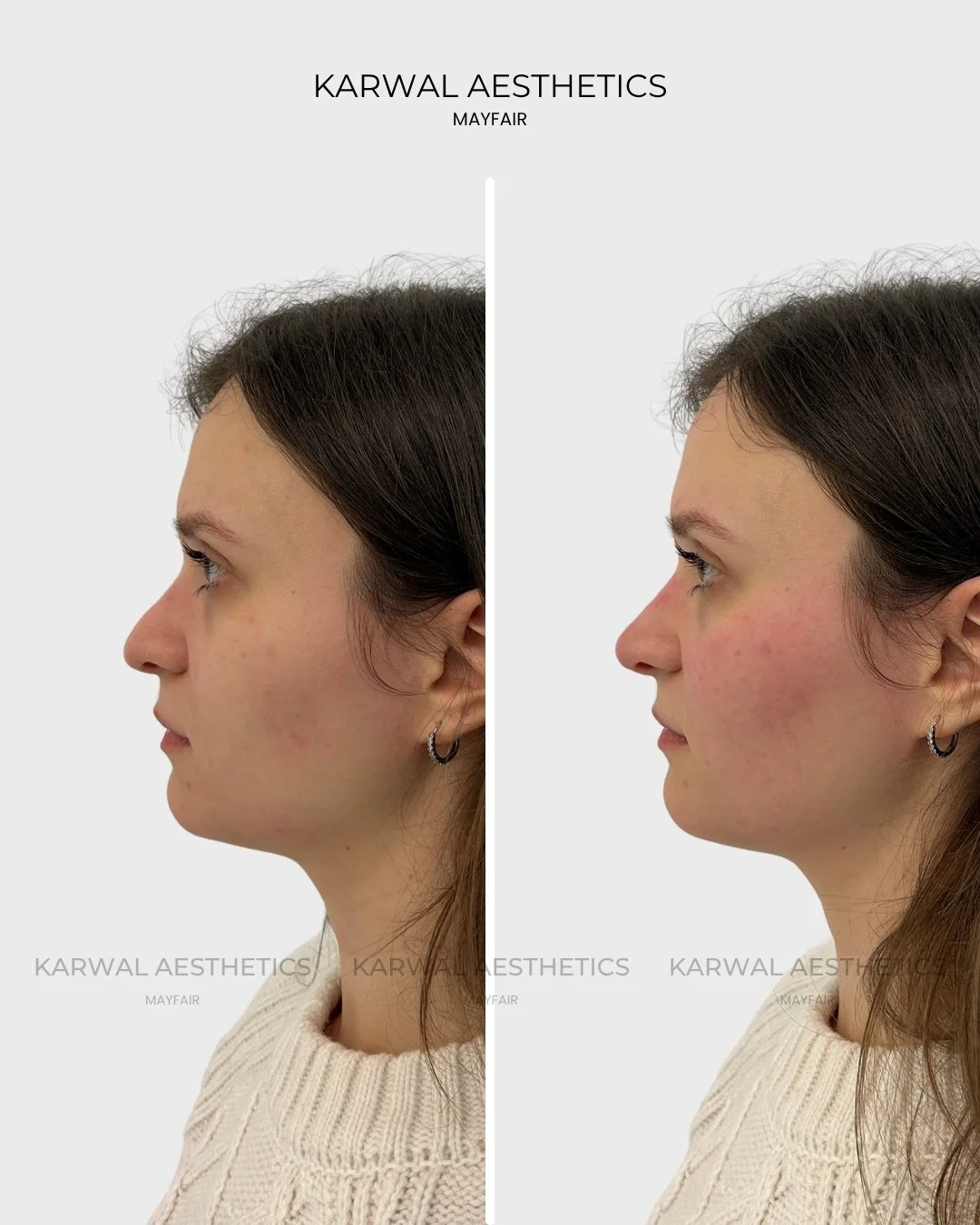
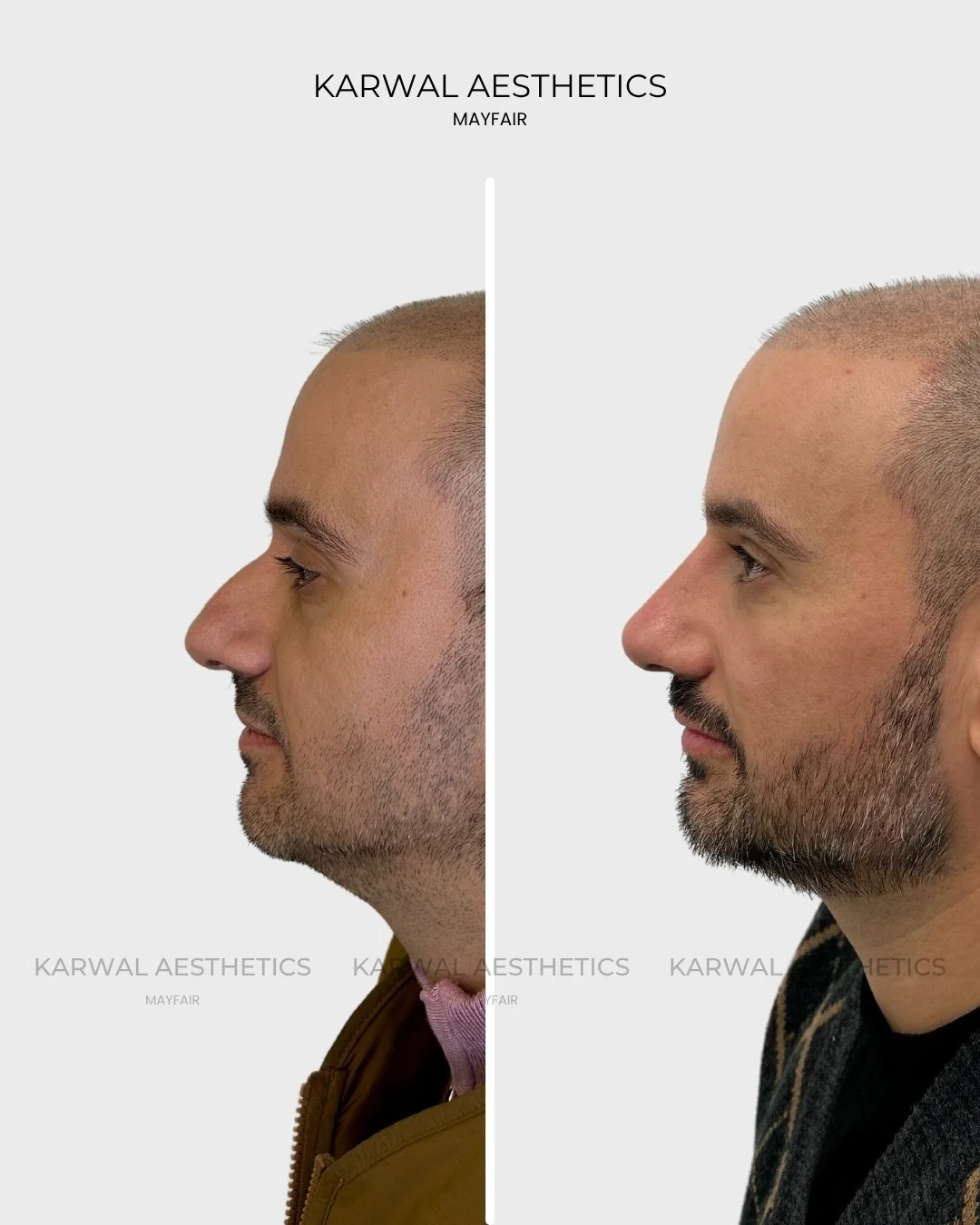
Non-surgical rhinoplasty, sometimes called liquid rhinoplasty, nose filler, or the non-surgical nose job, is a cosmetic procedure in which small, carefully positioned amounts of dermal filler are injected into specific areas of the nose to alter its shape, correct asymmetry, smooth irregularities, or improve its overall aesthetic balance with the rest of the face.

Unlike surgical rhinoplasty, there is no general anaesthetic, no cartilage or bone work, no cast, and no prolonged recovery. The procedure typically takes between 15 and 30 minutes. Topical anaesthetic is applied beforehand to keep discomfort minimal, and the results are visible as soon as the appointment is complete.

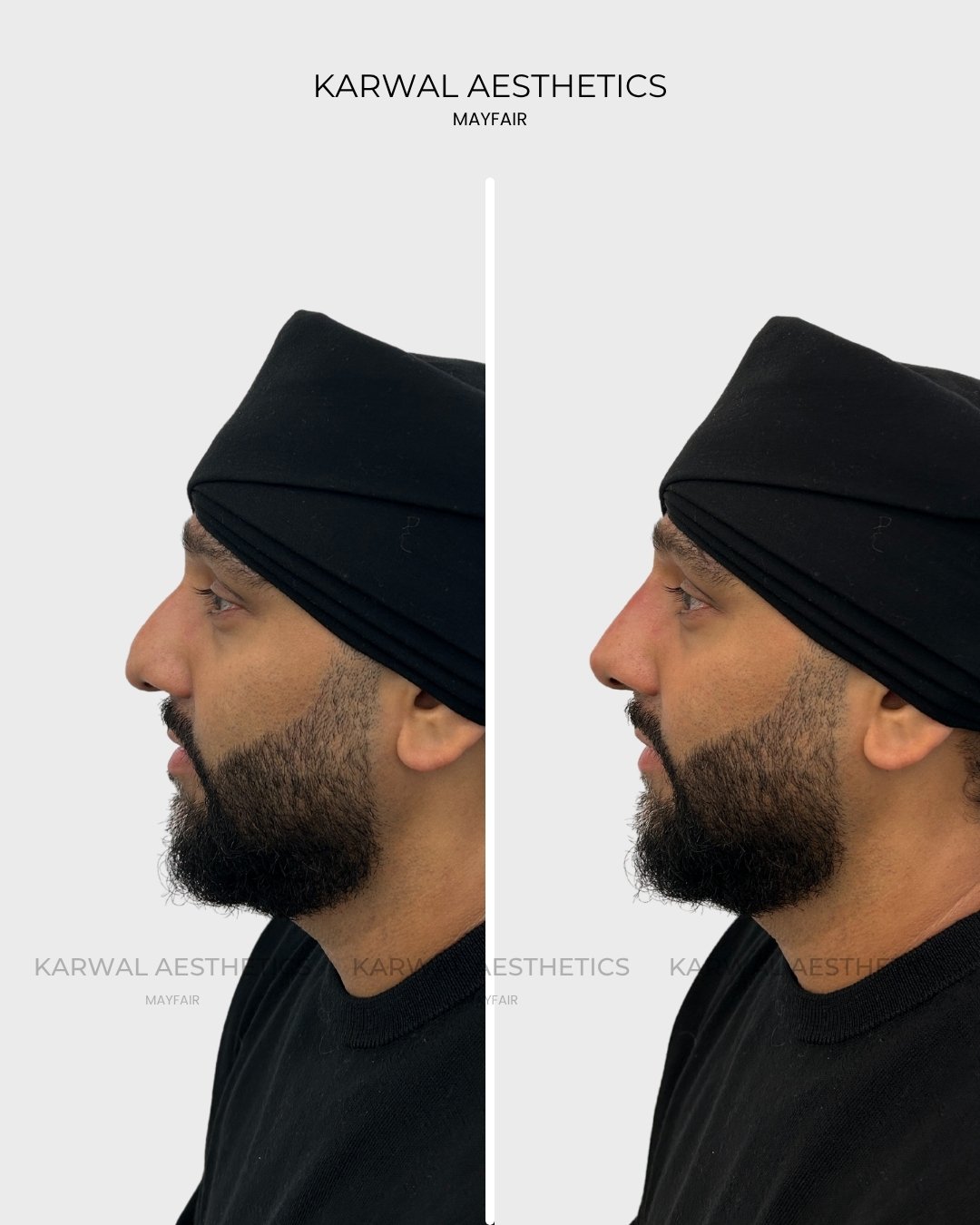
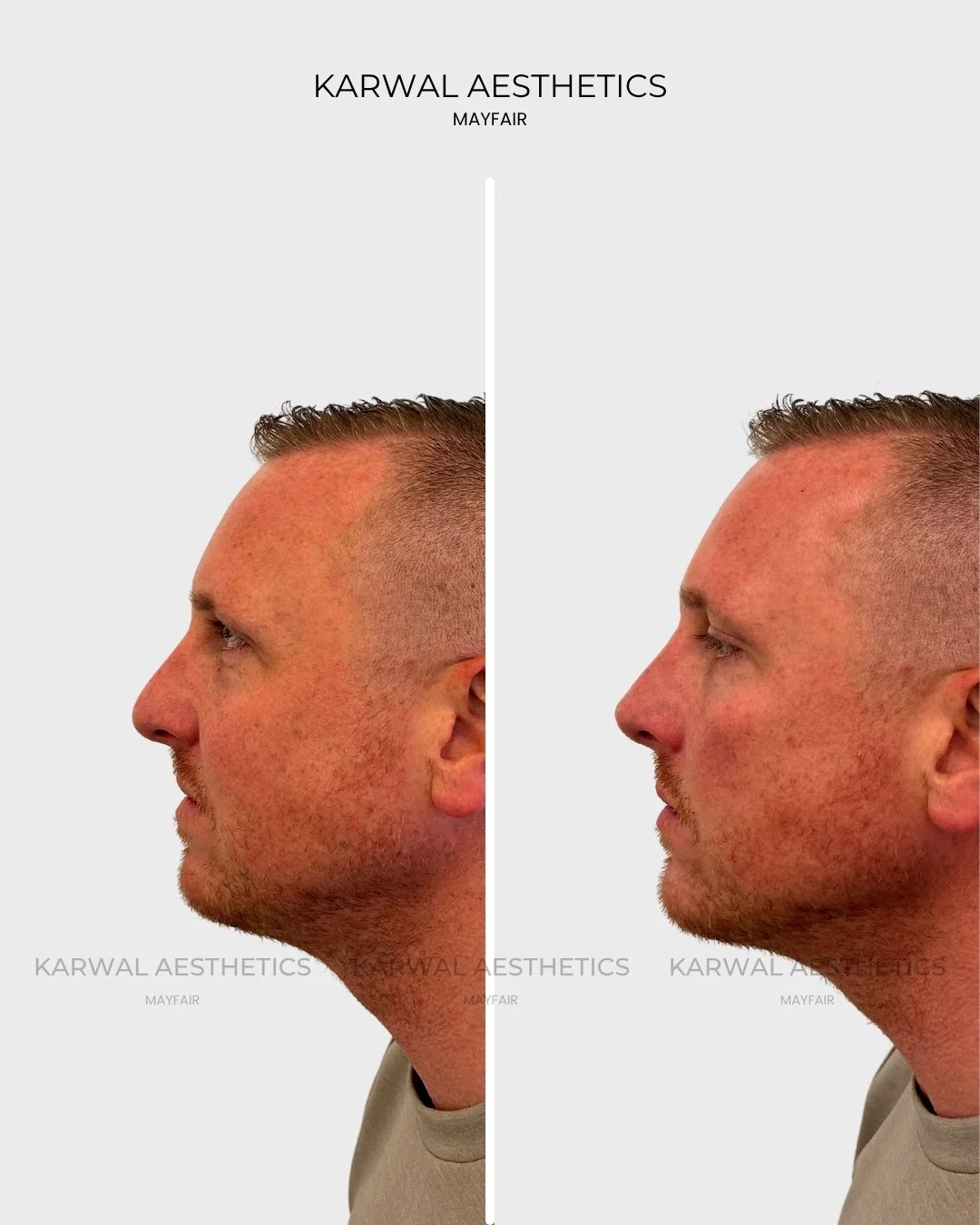
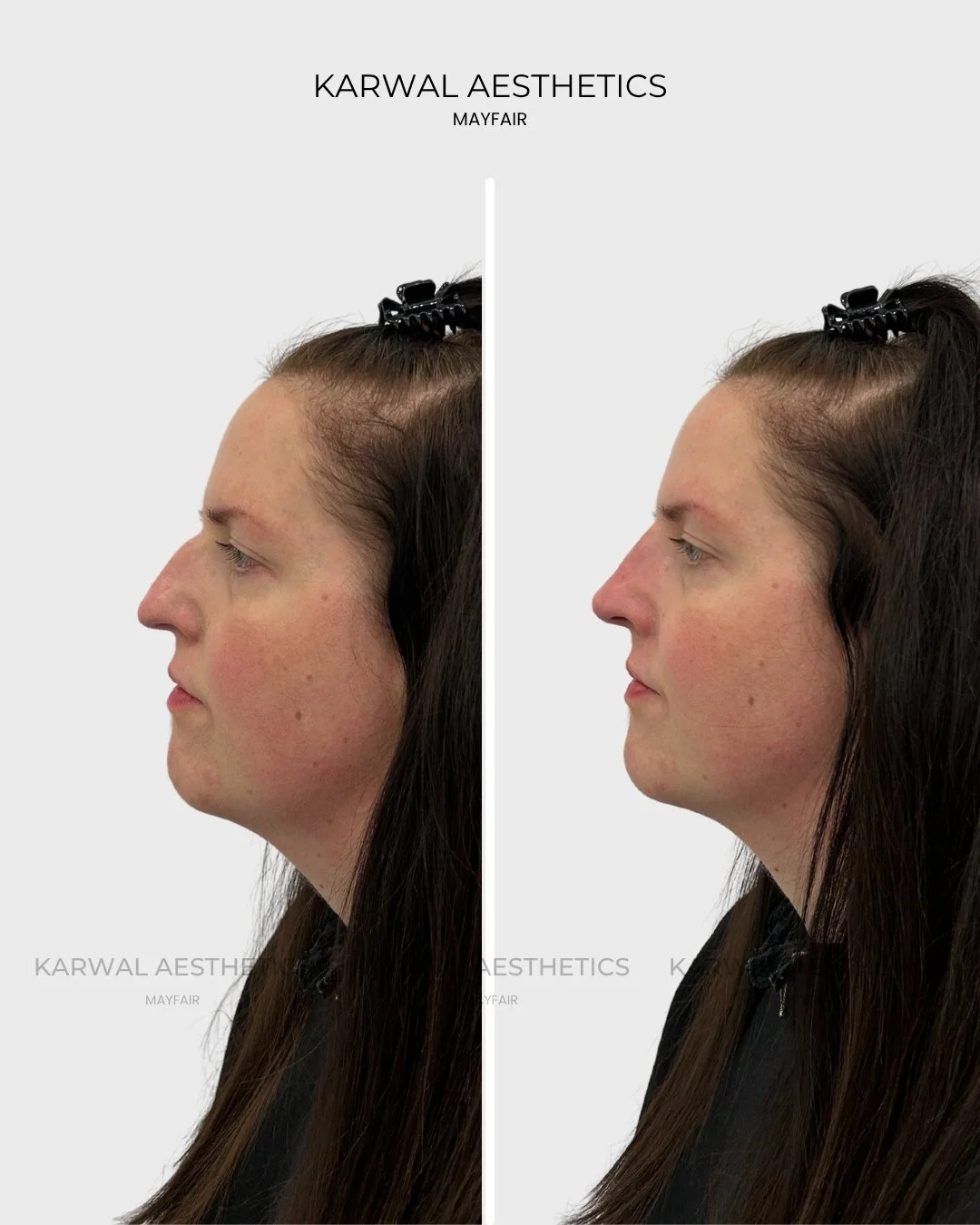
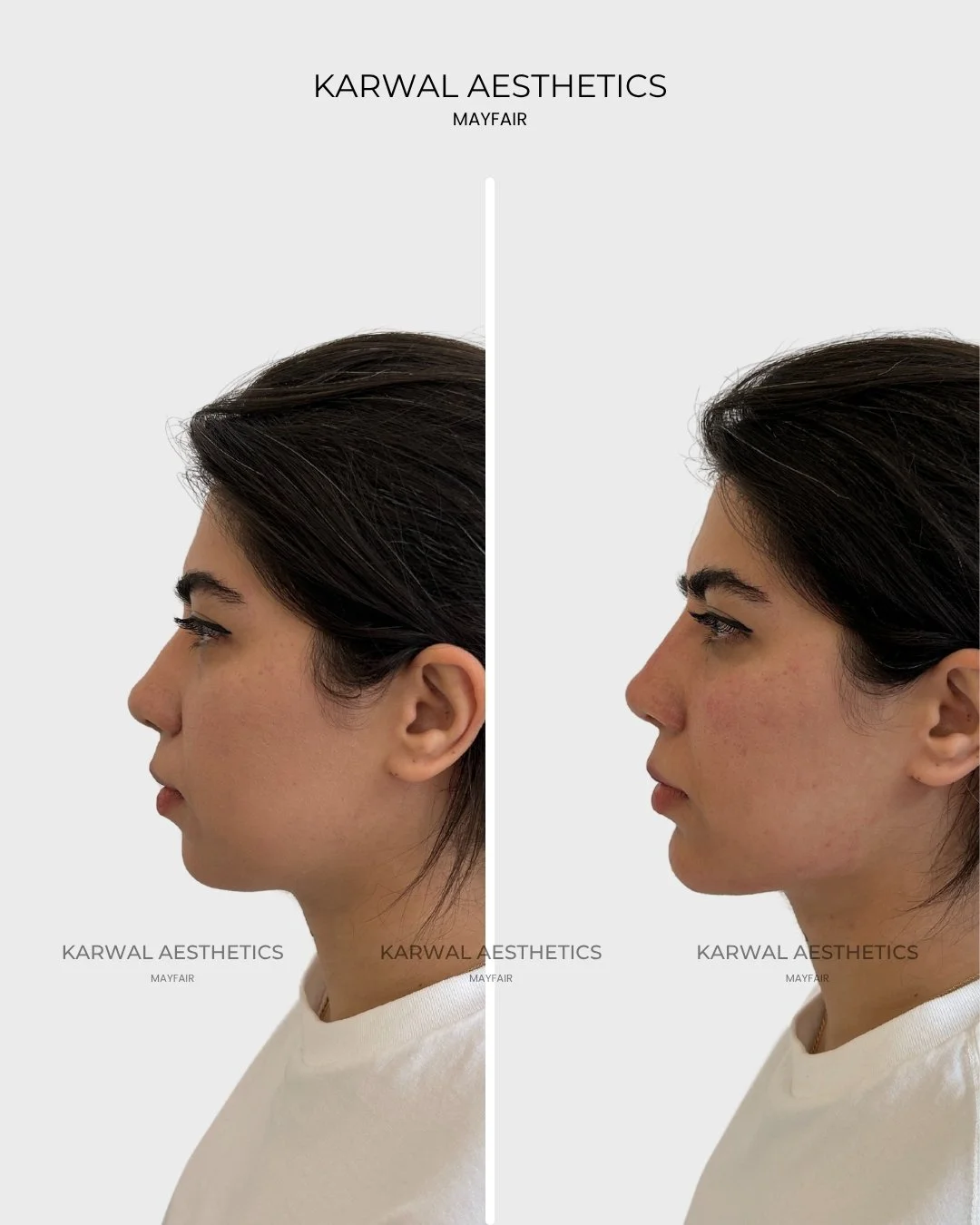
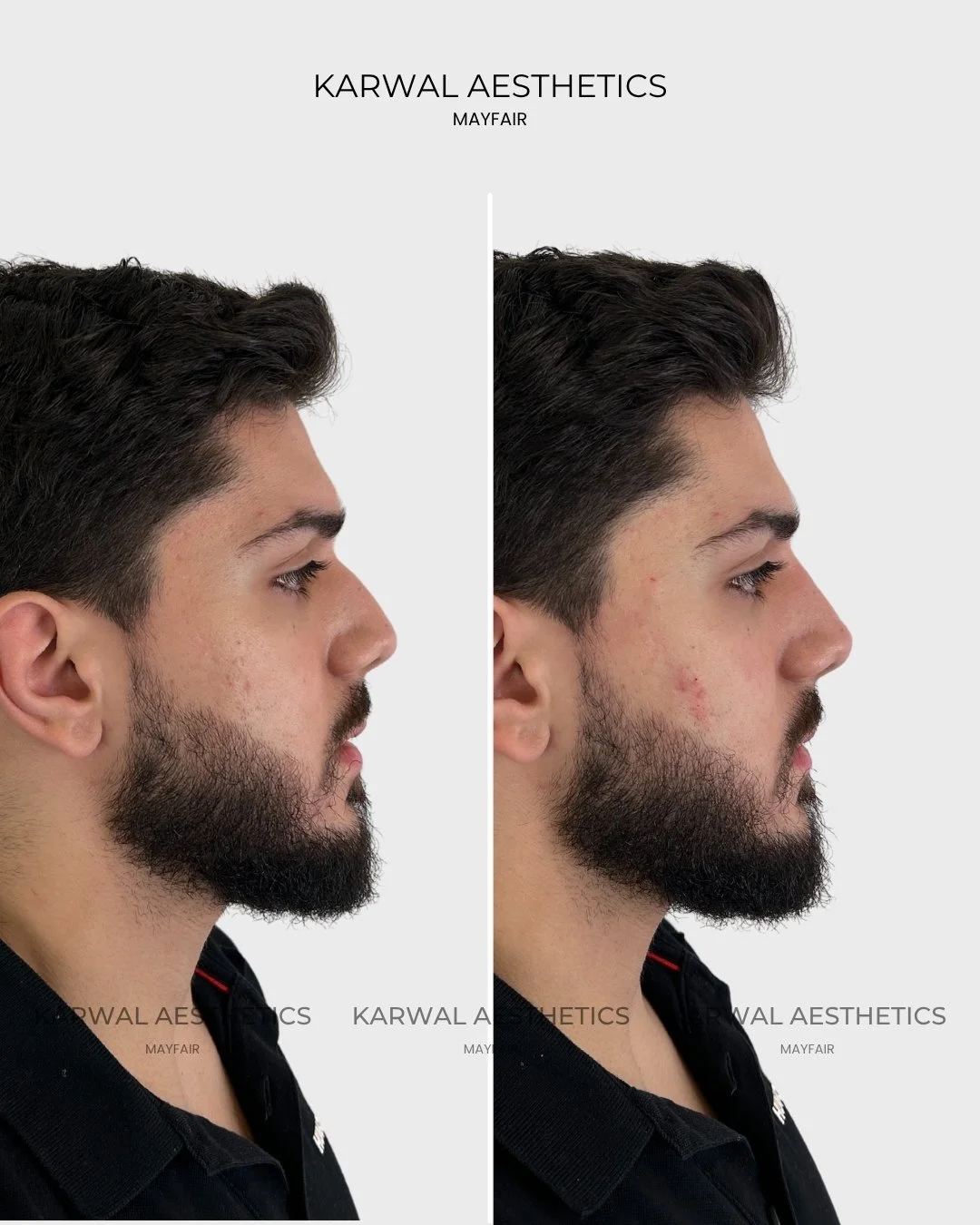
The treatment works by adding precise volumes of filler to strategically chosen points on the nose. This sounds counterintuitive: adding volume to a nose to make it appear smaller or more refined. But the effect is very much a visual one. The geometry of the nose changes when specific areas are smoothed, straightened, lifted, or defined, creating the appearance of a more refined, balanced, and proportionate nasal profile.

What Can Non-Surgical Rhinoplasty Achieve?

The range of corrections that can be made with non-surgical rhinoplasty is broader than most people expect. The most common concerns Dr Karwal addresses include the following.

Smoothing a bump or dorsal hump on the bridge

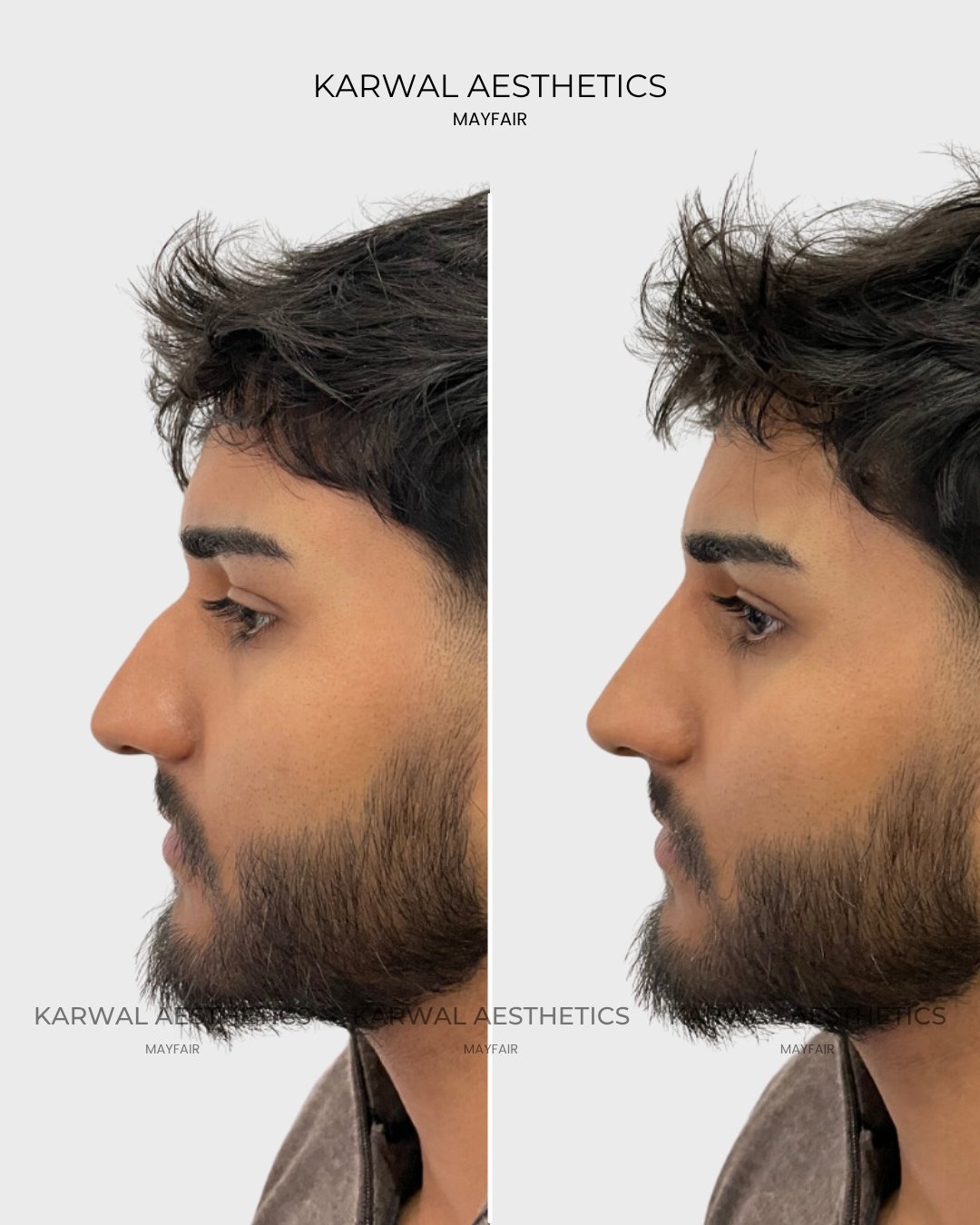
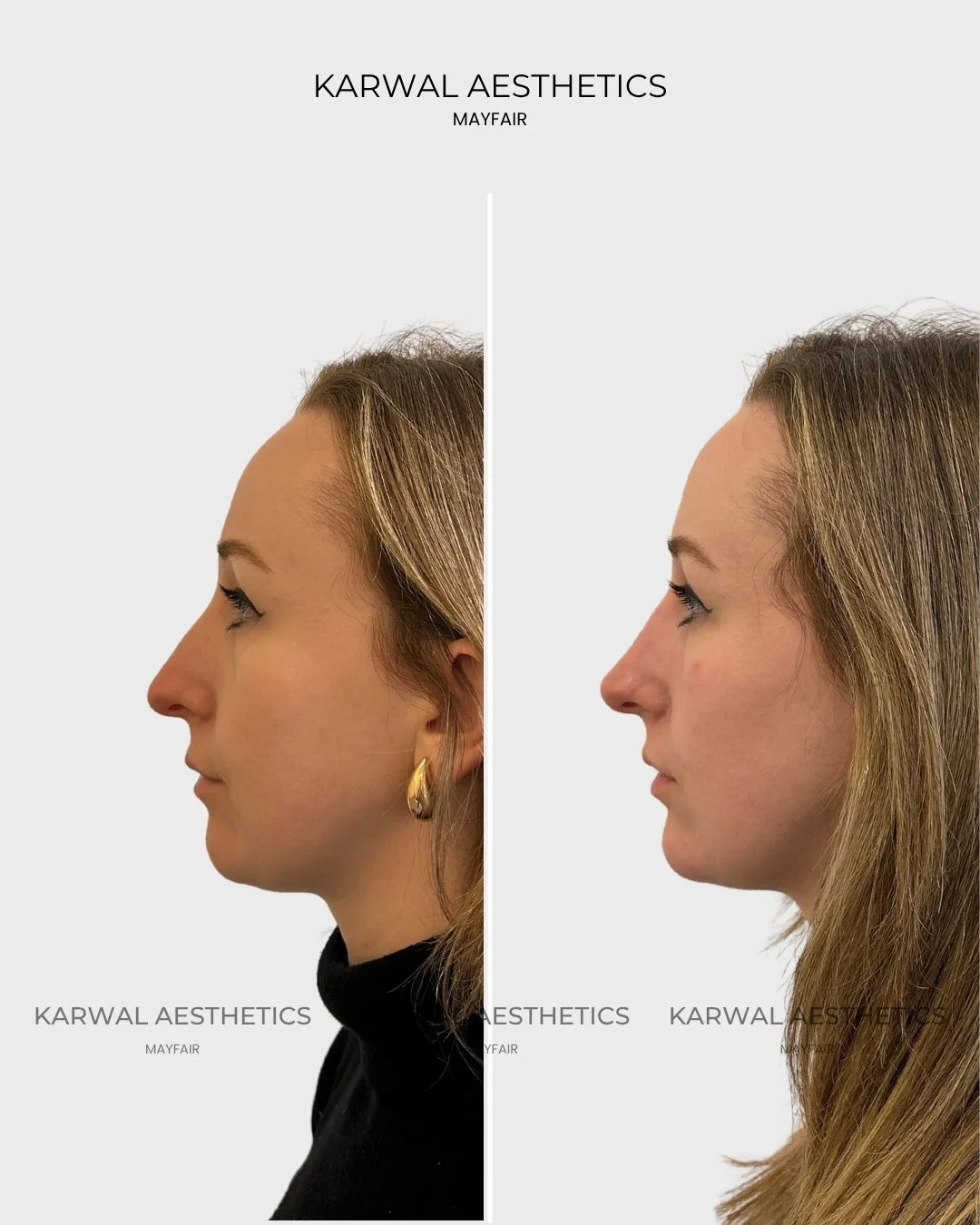
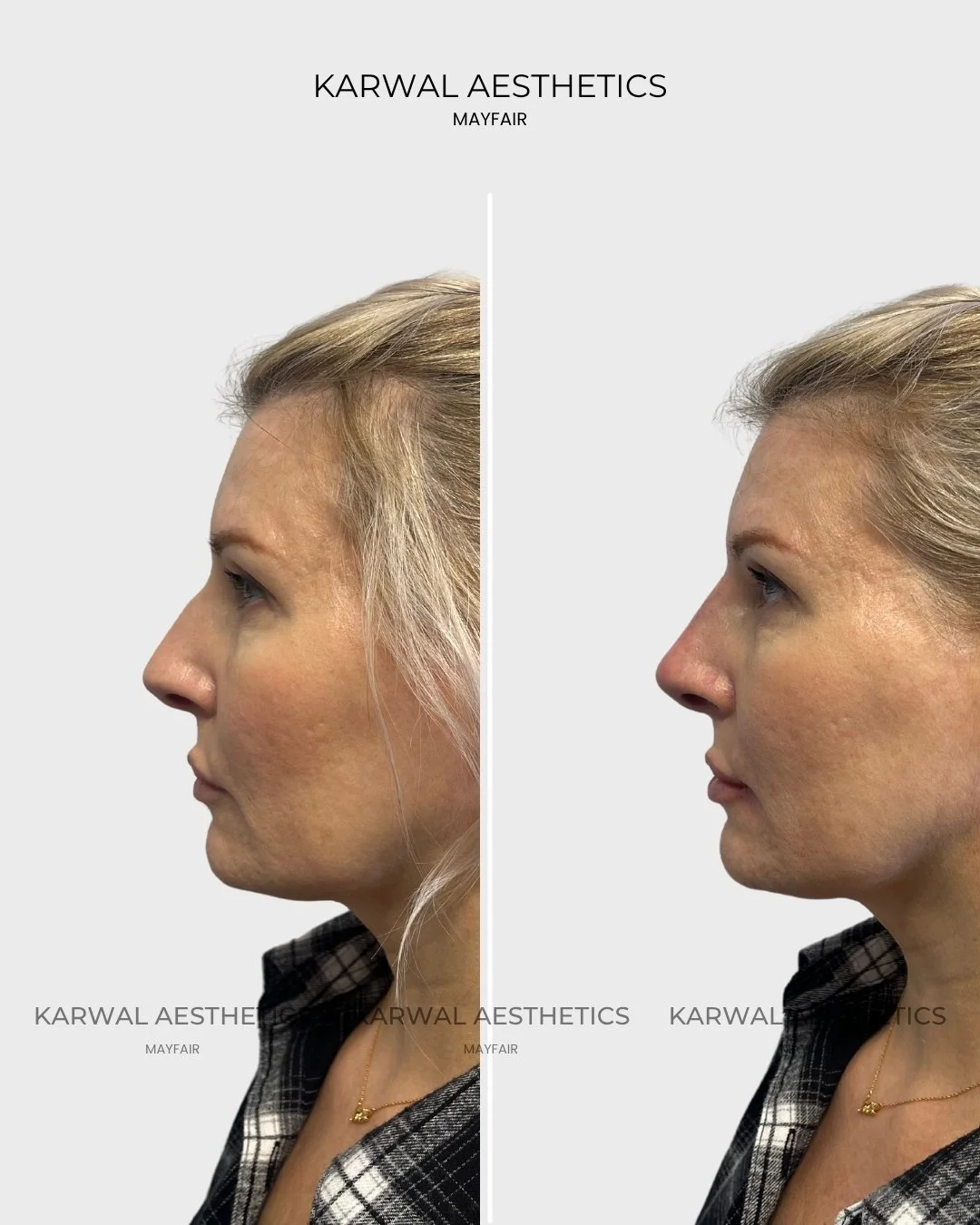
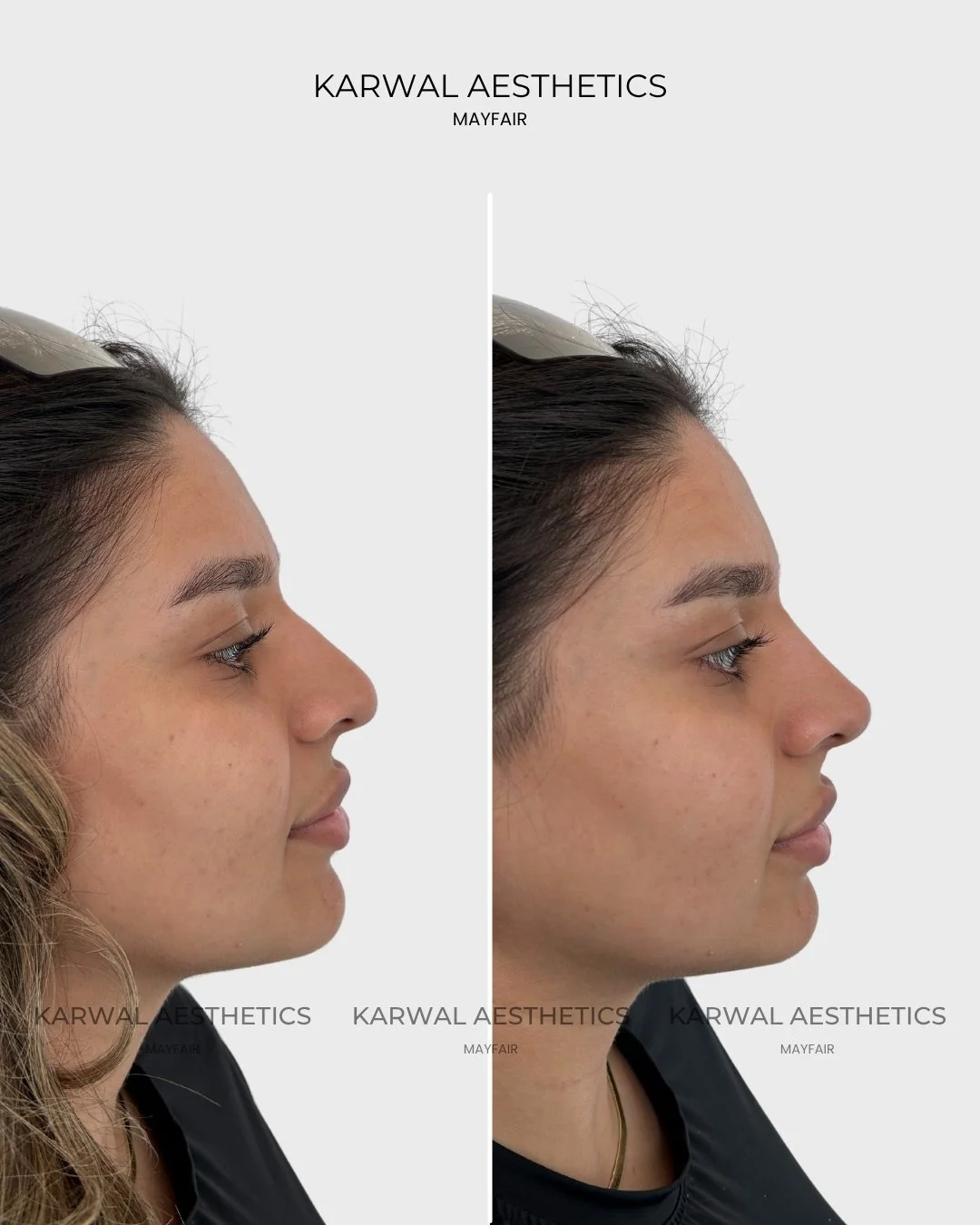
A bump on the bridge of the nose, sometimes called a dorsal hump, is one of the most common concerns people bring to Dr Karwal. By placing small amounts of filler above and below the hump, the bridge can be straightened, making the overall nasal profile appear smoother and more linear in side view. This is one of the most visually impactful results achievable with nose filler.

Lifting a drooping nasal tip

The nasal tip can descend over time, or may simply be positioned lower than ideal. Filler placed carefully at the base of the columella (the column of tissue between the nostrils) or at the tip itself can create the appearance of a lifted, more refined tip, sometimes referred to as a tip lift or Tinkerbell nose tip lift. This adjustment can make a significant difference to both the frontal and profile view of the nose.

Improving symmetry and straightening a crooked nose

Nasal asymmetry is very common and can be caused by anything from the natural development of the nose through to previous injury. Strategic filler placement alongside the bridge and along the nose can reduce the visual appearance of asymmetry and create a straighter, more balanced nasal profile.

Defining and refining the nasal tip

A broad or undefined nasal tip can be refined with targeted filler placement to create a sharper, more sculpted appearance without changing the overall size of the nose.

Correcting post-surgical imperfections

Patients who have undergone surgical rhinoplasty and are left with minor residual asymmetries, small dips, or subtle irregularities often seek non-surgical rhinoplasty as a way to fine-tune results. This is a well-established use of nose filler and can be highly effective for targeted corrections.

The Tinkerbell tip lift

The Tinkerbell nose or pixie nose refers to a specific enhancement where the tip of the nose is lifted to create a gentle upward curvature, a delicate, feminine aesthetic that is consistently popular. This can be requested and discussed as part of your consultation with Dr Karwal.

FAQs

  • At Karwal Aesthetics, honest assessment is a core part of what Dr Karwal offers. Non-surgical rhinoplasty is a remarkable tool, but it is not a substitute for surgery in every case, and it is important to understand what it cannot achieve before booking.

    Nose filler cannot make a significantly large nose smaller in absolute terms. It cannot narrow wide nostrils, reduce the overall width of a broad nose, or make structural changes that require cartilage or bone work. For those seeking a dramatic reduction in nasal size, surgical rhinoplasty remains the appropriate route.

    It is also worth noting that adding filler to an already large or prominent nose without careful planning can occasionally make the nose look larger rather than more refined, which is why the treatment assessment stage is so important. Dr Karwal will always evaluate whether the outcome you are hoping for is achievable non-surgically, and will tell you clearly if surgery would serve your goals better. This honesty is something patients consistently value and remark upon.

  • This is one of the most frequently asked questions. The answer is: yes, often, though not by reducing its physical size. Very often, a nose appears larger than it actually is because of a bump or hump on the bridge, or because the bridge is flat and lacks definition. By reshaping the nose through smoothing the bridge, lifting the tip, and adding definition, the perception of size changes considerably. Many patients are surprised at how much smaller their nose appears after treatment, even though no volume has been removed. What filler cannot do is physically reduce the size of the nose, narrow the nostrils, or bring down a very prominent nasal structure. Those are surgical outcomes.

  • Non-surgical rhinoplasty is well-suited to a wide range of people. Good candidates are typically those seeking to smooth a dorsal hump, improve nasal symmetry, lift the tip, or refine the profile without undergoing surgery. It is particularly well-suited to those who want to explore what a refined nose might look like before committing to a surgical procedure, essentially using the treatment as a reversible trial.

    It is also an excellent option for those who have had surgical rhinoplasty and want minor refinements to the outcome, or for those whose medical history or personal preference makes surgery unsuitable.

    There are contraindications. Nose filler is not appropriate for patients who are pregnant or breastfeeding, those with active skin infections in the treatment area, those with a history of severe allergic reactions to hyaluronic acid products, or those with certain autoimmune conditions. Dr Karwal will review your full medical history at consultation and confirm your suitability for treatment.

  • Aesthetic goals for the nose differ meaningfully between patients, and while individual preference always takes precedence, there are well-established principles that guide how Dr Karwal approaches treatment for different patients.

    For female patients, treatment ideals tend to favour a more refined and slender nasal profile, a slightly upturned tip, a smooth bridge with a subtle concavity in side view, and an overall appearance of delicacy and definition. The goal is often to create a nose that draws less attention, one that feels quietly elegant rather than prominent.

    For male patients, the aesthetic tends towards a stronger, straighter bridge, a more neutral tip angle that preserves a sense of structure and masculinity, and proportions that balance naturally with stronger facial features. Refinement is still desirable, but the treatment aims to avoid feminising the nose or creating angles that look incongruous with the rest of the face.

    These are general principles, and Dr Karwal always designs treatment around the individual: your facial structure, your personal goals, and your own sense of how you want to look. Nothing is assumed.

  • Product choice matters enormously in non-surgical rhinoplasty. The nose is a high-risk area for filler, and the properties of the product used, including its density, cohesivity, and ability to hold its shape under pressure, directly affect both the quality of the result and the safety of the procedure.

    At Karwal Aesthetics, Dr Karwal uses Intraline M4 and Restylane Lyft for non-surgical rhinoplasty. Both are premium hyaluronic acid-based dermal fillers sourced from licensed UK suppliers.

    Intraline M4

    Intraline M4 is a dense, highly cohesive hyaluronic acid filler specifically formulated for structural facial work. Its density gives it exceptional shape retention, allowing it to hold precise placement without migrating, which is especially important in the nose where small deviations from the intended position can significantly alter the result. The M4 formulation sits at the firmer end of the Intraline range, making it well-suited to areas that require definition and structural support rather than softening.

    Restylane Lyft

    Restylane Lyft is a denser, firmer member of the Restylane family, designed for areas that require structural lift and definition rather than simply softening. Its robust cross-linking gives it excellent longevity and makes it well-suited to the nasal bridge and tip, where filler needs to provide support and maintain its shape under the movement and pressure of everyday life.

    Why hyaluronic acid?

    All fillers used at Karwal Aesthetics for non-surgical rhinoplasty are hyaluronic acid-based. This is not incidental. It is a deliberate clinical choice. Hyaluronic acid is the only filler type that can be dissolved rapidly with hyaluronidase in the event of a complication or if a patient wishes to reverse the treatment. In the nose, where the risk of vascular compression is higher than in many other areas, this reversibility is not a luxury. It is a safety requirement. Dr Karwal does not use permanent or semi-permanent fillers in the nose.

  • Most patients describe the procedure as much more comfortable than they anticipated. Topical anaesthetic is applied before treatment, and the fillers used contain lidocaine within their formulation, which further reduces sensation during injection. The nose can be a slightly sensitive area, and some patients experience a brief sharp or stinging sensation during injection, but this passes quickly. The overwhelming majority of patients find the procedure entirely manageable and are surprised by how straightforward it is.

  • Before your appointment: consultation and assessment

    Every non-surgical rhinoplasty at Karwal Aesthetics begins with a thorough consultation. Dr Karwal will assess your facial structure and nasal anatomy, discuss your concerns and goals in detail, review your medical history to confirm suitability, and design a personalised treatment plan. This is not a brief conversation. The consultation is comprehensive, and Dr Karwal takes the time to explain exactly what he can achieve and how.

    If there are concerns about previous filler from another clinic, Dr Karwal will assess whether any existing product should be dissolved before treatment proceeds. This is particularly relevant for patients who have had non-surgical rhinoplasty elsewhere and are seeking a correction or top-up.

    On the day: the treatment process

    The treatment area is thoroughly cleansed to remove any traces of makeup, skincare, or oils. A topical anaesthetic cream is then applied and left in place for approximately five minutes to minimise discomfort during the procedure.

    Dr Karwal maps the areas for injection, taking into account the three-dimensional geometry of your nose and how filler placement will affect both the frontal and profile view. This planning stage is integral to achieving a natural, balanced result rather than simply filling one area in isolation.

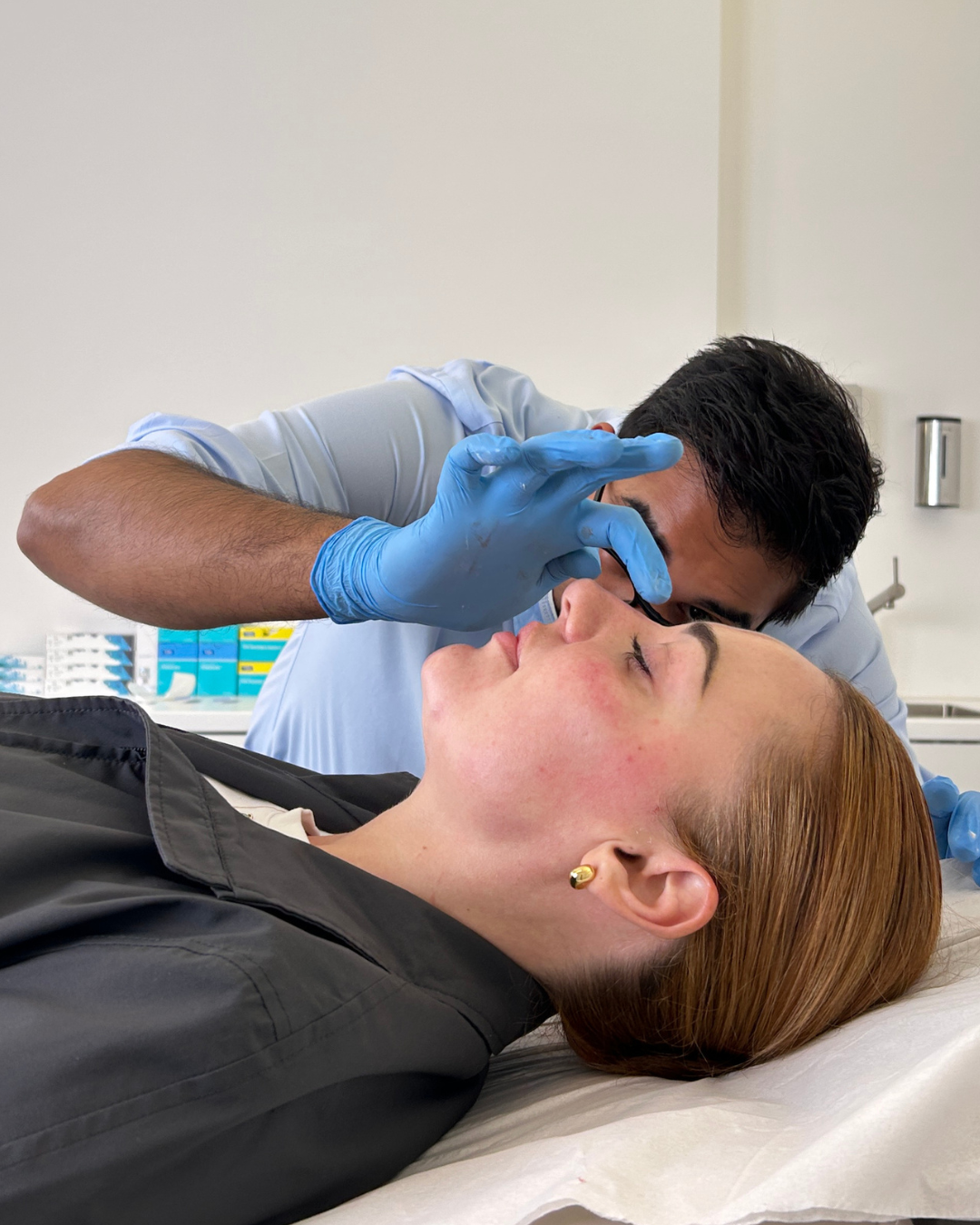
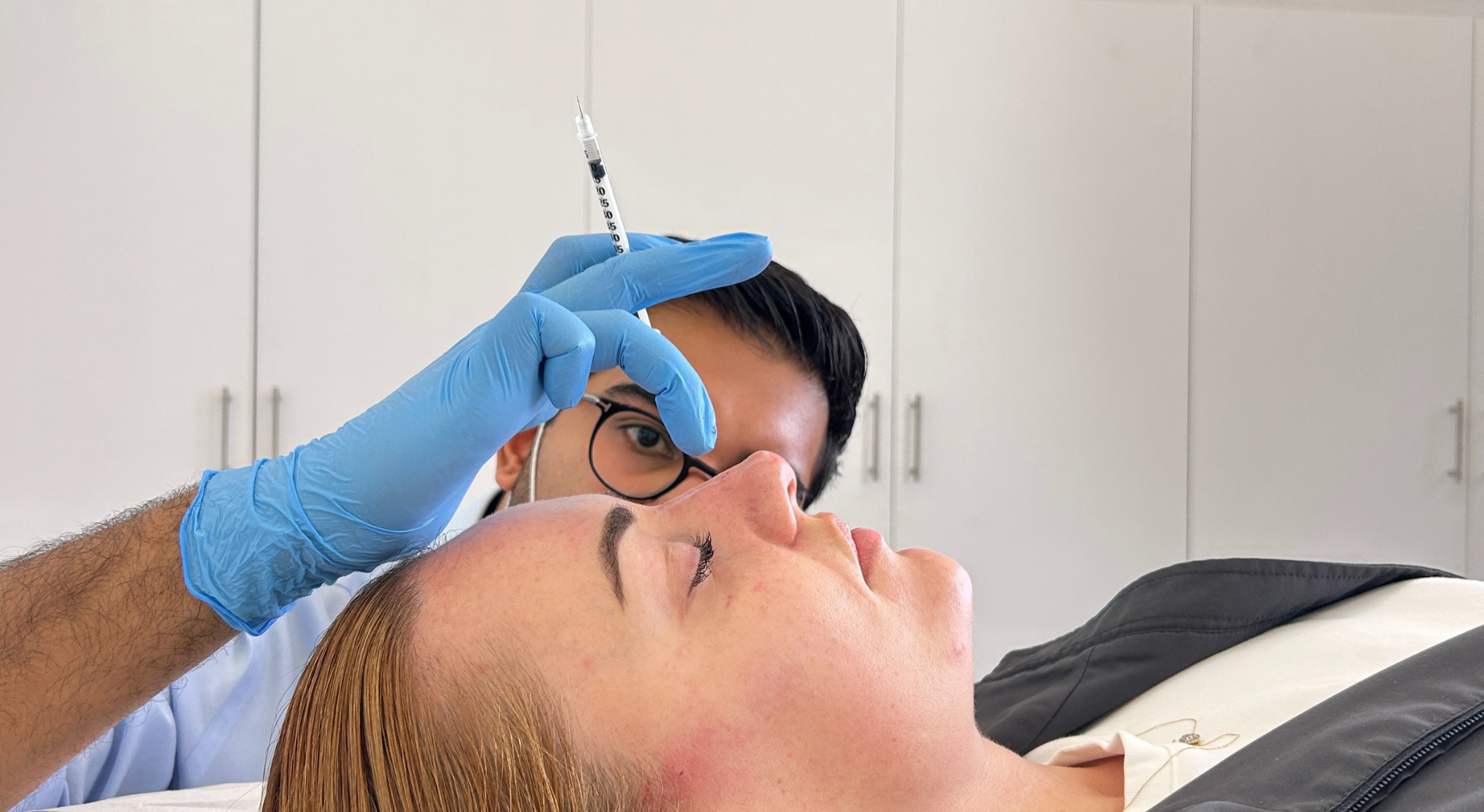
    Using a fine needle, Dr Karwal then injects small, precise amounts of filler into the pre-planned positions. The injection process itself is careful and methodical. Dr Karwal uses aspiration before each injection, drawing back on the syringe to confirm the needle is not positioned inside a blood vessel, as a precautionary safety measure. Following injection, the filler is gently moulded to refine the shape and ensure even distribution.

    The final result is reviewed together before you leave, and any final adjustments are made. Post-treatment care instructions are provided in full.

    How long does the procedure take?

    The appointment typically takes between 30 and 45 minutes in total, including preparation and assessment. The injection process itself is generally 15 to 20 minutes.

  • Results from non-surgical rhinoplasty are visible immediately. This is one of the most satisfying aspects of the treatment. You will be able to see the shape of your nose change in real time during the procedure, and the improvement is fully apparent as soon as you leave the clinic.

    In the first 24 to 48 hours, there will be some swelling and potentially some bruising around the injection sites, which is normal and expected. This can temporarily alter the appearance of the result, making the nose look slightly more swollen or asymmetric than the final outcome will be. By days seven to ten, any swelling will have largely resolved and you will have a clear picture of your results. The filler will have fully integrated with surrounding tissue and any residual swelling will be gone within two weeks.

    Full, settled results are considered stable from two weeks post-treatment. We do not re-treat within this window, as assessing the nose before swelling has fully resolved does not give an accurate picture of what further correction may be needed.

  • Non-surgical rhinoplasty results typically last between 12 and 24 months, depending on a number of individual factors. Restylane Lyft, one of the products used at Karwal Aesthetics, tends to sit towards the longer end of this range due to its robust cross-linking.

    Individual metabolism plays a significant role. Patients with faster metabolic rates will tend to break down hyaluronic acid filler more quickly than those with slower metabolisms. Lifestyle factors including regular high-intensity exercise, significant sun exposure, smoking, and frequent sauna use can all accelerate the rate at which filler is metabolised. The amount of filler used and the specific areas treated also influence longevity. The nasal tip, which has slightly more movement than the bridge, may break down filler at a marginally faster rate.

    Most patients choose to schedule a maintenance appointment every 12 to 18 months. Some find they can extend comfortably to 24 months between treatments. Dr Karwal will advise on the appropriate timing for your top-up based on how your results are settling.

  • Following non-surgical rhinoplasty, there are some straightforward aftercare guidelines to follow in order to protect the filler, minimise swelling, and allow the result to settle optimally.

    For the first 24 hours, you should avoid touching or pressing on the nose, applying makeup to the area, or using skincare products with active ingredients such as retinol, acids, or vitamin C directly over the treated area. For 48 hours, avoid alcohol and blood-thinning medications where possible (discuss with Dr Karwal if you take prescribed medications), avoid intense physical exercise, avoid sleeping on your front or side (sleeping on your back with the head slightly elevated can help reduce swelling), and avoid saunas, steam rooms, and high-heat environments.

    One aftercare instruction specific to non-surgical rhinoplasty deserves particular attention: for seven days following treatment, you should avoid wearing glasses entirely, or switch to a style that rests on the sides of the face rather than sitting directly on the nasal bridge. Glasses exert consistent downward pressure on the bridge of the nose, which can displace filler before it has fully integrated. This applies to both regular and sunglasses.

    Redness, minor swelling, bruising, and some unevenness around injection sites in the hours immediately after treatment are all entirely normal. These will resolve over the following days. If you have any concerns after your appointment, the clinic is always contactable.

  • The nose is one of the most anatomically demanding areas of the face for filler treatment. The reason is vascular: the nasal region has a complex network of blood vessels, including branches of the ophthalmic, external carotid, and internal carotid arteries. In rare cases, filler injected into or adjacent to one of these vessels can cause vascular occlusion, the blockage of blood supply to surrounding tissue. In the nose and surrounding facial region, this can, if not recognised and treated immediately, cause tissue damage or, in extremely rare cases, more serious complications.

    This is not a reason to avoid the treatment. Thousands of non-surgical rhinoplasties are performed safely every year in the UK. But it is a significant reason to choose your practitioner with care. The nose is not an appropriate area for inexperienced injectors or for clinics that cannot manage complications effectively.

    Dr Karwal's emergency medicine background

    Dr Karwal trained in emergency medicine before transitioning to medical aesthetics, a background that is directly relevant to the safe practice of advanced filler treatments. His training in emergency assessment, vascular anatomy, and acute clinical decision-making means he approaches high-risk injection areas with a level of anatomical precision and preparedness that extends well beyond standard aesthetics training.

    At Karwal Aesthetics, hyaluronidase (the enzyme that rapidly dissolves hyaluronic acid filler) is available in clinic at all times. In the event of any sign of vascular compromise, Dr Karwal would act immediately and without hesitation, something that requires both clinical recognition skills and the confidence that comes from genuine medical training.

    Ultrasound-guided filler dissolving

    Karwal Aesthetics is one of a small number of clinics in London to offer ultrasound-guided filler dissolving. While this technology is not required for a straightforward non-surgical rhinoplasty, it is available for patients who have had previous nose filler from other providers and require a safe, precisely guided dissolution before new treatment can proceed. Ultrasound guidance allows Dr Karwal to see exactly where existing filler is located before injecting, which is particularly valuable when treating the nose in the context of prior work. You can read more about ultrasound-guided filler dissolving here.

  • The choice between surgical and non-surgical rhinoplasty depends entirely on what you want to achieve. The two procedures are not in competition. They serve different goals and different patients.

    Surgical rhinoplasty can reduce the overall size of the nose, narrow the nostrils, make structural changes to cartilage and bone, and create permanent results. It requires general anaesthetic, a recovery period of several weeks (during which swelling continues to resolve over many months), carries the risks associated with surgery and anaesthesia, and represents a significantly higher financial investment. The results, if done well, are permanent.

    Non-surgical rhinoplasty cannot reduce nasal size or make structural changes, but it can reshape, refine, and rebalance the nose with immediate results, minimal discomfort, no downtime, and a fraction of the cost. Results are temporary, lasting 12 to 24 months, and fully reversible, which means that if the outcome is not what was hoped for, it can be corrected. This reversibility also makes non-surgical rhinoplasty an attractive option for patients who are considering surgery but want to explore the aesthetic direction before committing to a permanent change.

    During your consultation, Dr Karwal will help you understand honestly which approach is most likely to achieve your goals. If surgical treatment would serve you better, he will say so.

  • Karwal Aesthetics was founded by Dr Karwal with a single guiding principle: that medical aesthetics should be practised to the same standards as any other area of medicine. The clinic is doctor-led at every level. Every non-surgical rhinoplasty is performed by Dr Karwal personally, never by a nurse, therapist, or associate. There is no delegation of injectable treatments.

    Dr Karwal's emergency medicine background gives him a clinical depth that is rare in aesthetics. His understanding of facial vascular anatomy, his ability to recognise and respond to complications, and his forensic approach to treatment planning are all reflections of that training. He has been recognised for his expertise with the Endolift Achievement Award 2025, the GHP Global Excellence Award 2025 (Best Non-Surgical Facial Rejuvenation Clinic, South East England), and the GHP Global Excellence Award 2024, and has been featured in the Mayfair Times, Absolutely Kensington and Chelsea, and Close Up Magazine.

    The clinic is located at 15 Dover Street, Mayfair, a setting that reflects the standard of care offered inside it. Extended consultations are the norm, not the exception. Patients are never rushed. The treatment plan is always designed around the individual, not a template.

    For patients who have had nose filler elsewhere and are seeking a correction, Dr Karwal also offers pre-treatment ultrasound assessment and, where required, ultrasound-guided dissolving of previous product before beginning new treatment. This is a service that very few clinics in London are equipped to offer.

  • Non-surgical rhinoplasty at Karwal Aesthetics starts from £550.

    0% finance is available on treatments from £500. Please visit our payment plan page for full details.

  • Karwal Aesthetics is located at 2nd Floor, 15 Dover Street, Mayfair, London, W1S 4LP. The clinic is open Tuesday to Saturday. Bookings are taken online only via karwalaesthetics.com.

  • Dr Karwal can assess previous filler at consultation. If existing product is in a position that would affect the safety or outcome of new treatment, he may recommend dissolving it first, potentially under ultrasound guidance for precision. Correcting and refining work done elsewhere is something Dr Karwal regularly performs.

  • For seven days following treatment, you should avoid wearing glasses that rest on the bridge of the nose. The weight and pressure of glasses can displace filler before it has fully integrated. If you need to wear glasses, opt for a style that rests on the sides of the face rather than directly on the bridge.

  • Results are immediate. You will see the change as soon as the procedure is complete. There will be some swelling in the first 24 to 48 hours, which is normal, and the final settled result is typically visible from two weeks post-treatment.

  • Yes. Because hyaluronic acid filler is used exclusively, the treatment can be dissolved at any time using hyaluronidase. This makes non-surgical rhinoplasty a reassuringly safe first step for patients who want to explore a change in their nasal appearance without making a permanent commitment.